Reju Selects Rochester, New York for First U.S. Industrial Textile Regeneration Hub
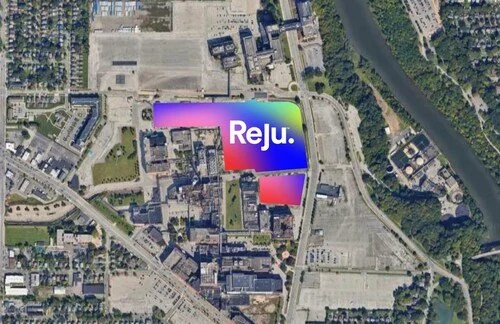
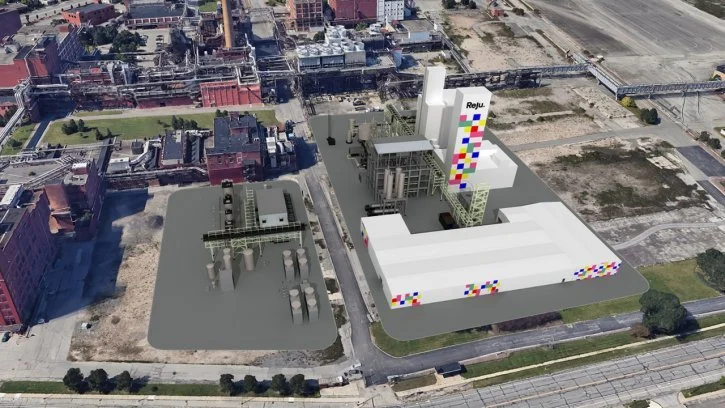
Reju, a textile-to-textile regeneration company owned by Technip Energies, has announced the site selection for its first industrial-scale facility in the United States, marking a major milestone in its global expansion strategy. The new Regeneration Hub will be located on an 18.9-acre site at Eastman Business Park in Rochester, New York, and is designed to scale circular textile production in one of the world’s largest apparel markets.
Once operational, the Rochester facility is expected to regenerate the equivalent of up to 300 million garments annually that would otherwise be sent to landfill or incineration. The plant will produce rBHET, which will be repolymerized into Reju Polyester, a high-quality regenerated material engineered for multiple recycling cycles. The project remains subject to final investment approval by the board of Technip Energies.
Reju’s technology, developed in collaboration with Technip Energies and IBM Research, focuses on transforming post-consumer polyester textiles and PET waste into regenerated polyester with a carbon footprint approximately 50% lower than virgin polyester. By enabling true textile-to-textile recycling at scale, the company aims to reduce the fashion industry’s reliance on fossil-based raw materials while improving material traceability across the value chain.
The U.S. Regeneration Hub will complement Reju’s growing global network, including its operational demonstration plant, Regeneration Hub Zero, in Frankfurt, and the previously announced Regeneration Hub One at Chemelot Industrial Park in Sittard, the Netherlands. Together, these facilities form the foundation of Reju’s ambition to establish a global circular textile system.
Beyond its environmental impact, the Rochester project is expected to deliver economic benefits to the local community, creating approximately 70 new jobs and supporting near-shoring of advanced manufacturing. New York State officials and Eastman Business Park have welcomed the investment, highlighting its alignment with regional goals to promote clean industry, innovation, and job creation.