Circular Fibre Collective launches to accelerate textile-to-textile fibre adoption in global fashion
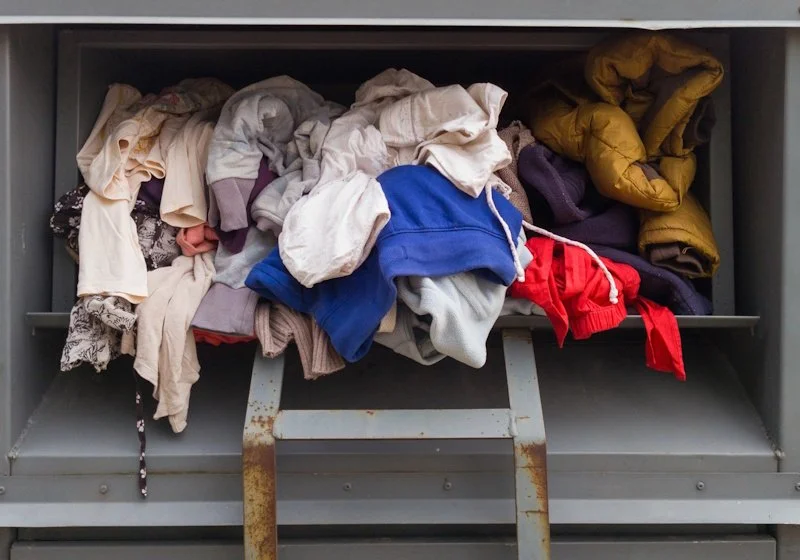
A new cross-sector initiative, the Circular Fibre Collective, has launched with the ambition of accelerating the adoption and scaling of textile-to-textile (T2T) recycled and next-generation fibres across the global fashion industry. Bringing together leading industry platforms and guided by circular economy expertise, the Collective introduces a structured framework designed to tackle the systemic barriers that have long hindered material transition.
Despite growing brand commitments and mounting regulatory pressure, the uptake of recycled fibres—particularly those derived from post-consumer textile waste—remains limited. Fragmented demand, insufficient financing mechanisms, and underdeveloped recycling infrastructure continue to constrain progress. The Circular Fibre Collective aims to address these challenges by fostering voluntary aggregated demand, exploring innovative financial models, mapping material supply, and delivering practical adoption tools for brands and suppliers.
The initiative builds on insights from research conducted by Boston Consulting Group in collaboration with Fashion for Good, which estimates that, with effective industry alignment, next-generation and T2T fibres could reach up to two million tonnes—around 8% of global fibre production—by 2030. Longer-term projections suggest the market could scale to as much as 13 million tonnes by the end of the decade.
To translate ambition into action, the Collective will leverage existing platforms, such as Fashion for Good’s Fiber Club and dedicated brand cohorts, and offer hands-on support to overcome commercial and operational barriers. Within the partnership, The Fashion Pact will spearhead demand aggregation and financial exploration, while Fashion for Good will lead on tool development and programme delivery. The Ellen MacArthur Foundation will continue to provide strategic guidance rooted in circular economy principles.
Industry leaders behind the initiative emphasize that collaboration—not isolated commitments—will be key to unlocking scale. By aligning stakeholders across the value chain and sending stronger market signals through collective action, the Circular Fibre Collective seeks to catalyse investment, accelerate innovation, and move the fashion industry closer to a circular material future.