Avery Dennison and TEXAID Pilot Shows RFID Can Triple Textile Sorting Speed



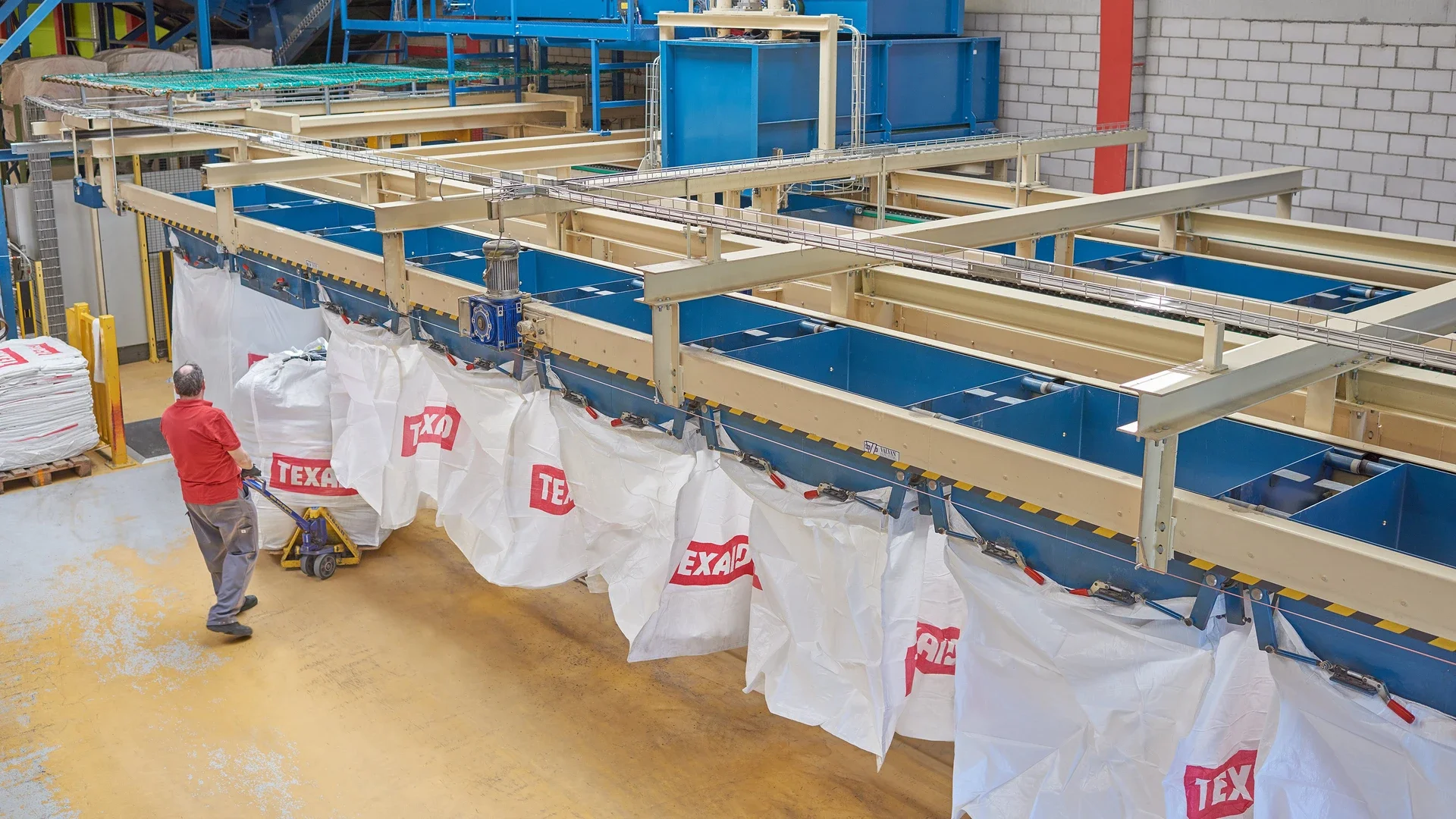
A pilot project conducted by Avery Dennison and TEXAID has demonstrated that RFID-enabled textile sorting can process garments nearly three times faster than conventional manual methods while achieving identification accuracy of up to 99.9%. The trial, which explored how digital technologies can improve the efficiency and scalability of post-consumer textile sorting, comes as Europe prepares for stricter textile waste collection and traceability requirements.
The project involved embedding RFID tags into 300 garments and testing automated sorting capabilities using Valvan’s Fibersort system in Belgium. Results showed that the RFID-enabled setup could sort up to 60 garments per minute—compared with approximately 22 garments per minute through manual sorting—while accurately identifying challenging materials such as black textiles and blended fibres.
By linking each garment to a digital product database, the system also demonstrated how RFID can support end-of-life tracking and future Digital Product Passport (DPP) requirements. The partners say data-driven sorting infrastructure will be critical as the industry scales textile-to-textile recycling and adapts to evolving circular economy regulations across the European Union.