Germanier Transforms LVMH Surplus into Provocative Spring 2026 Couture Statement
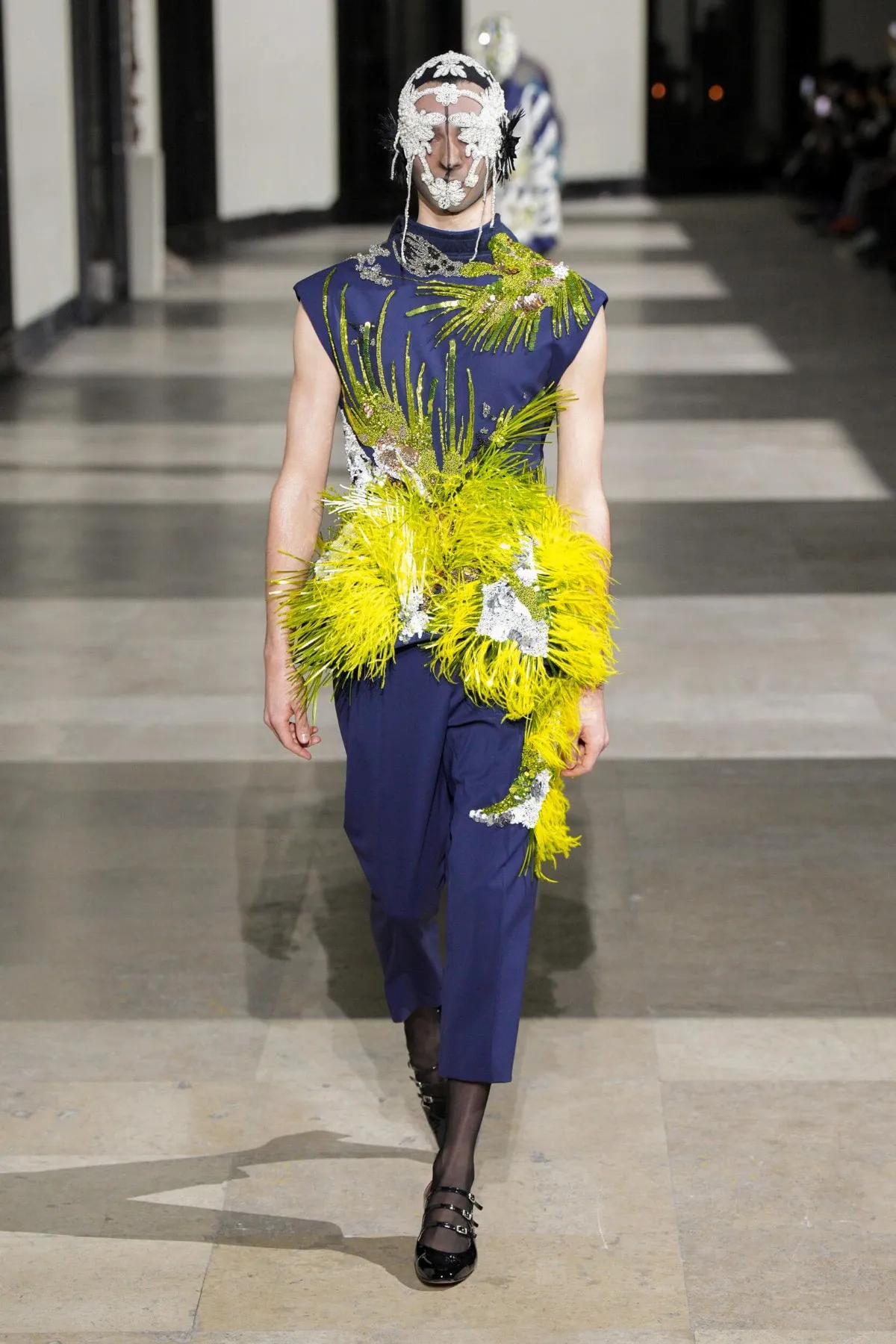
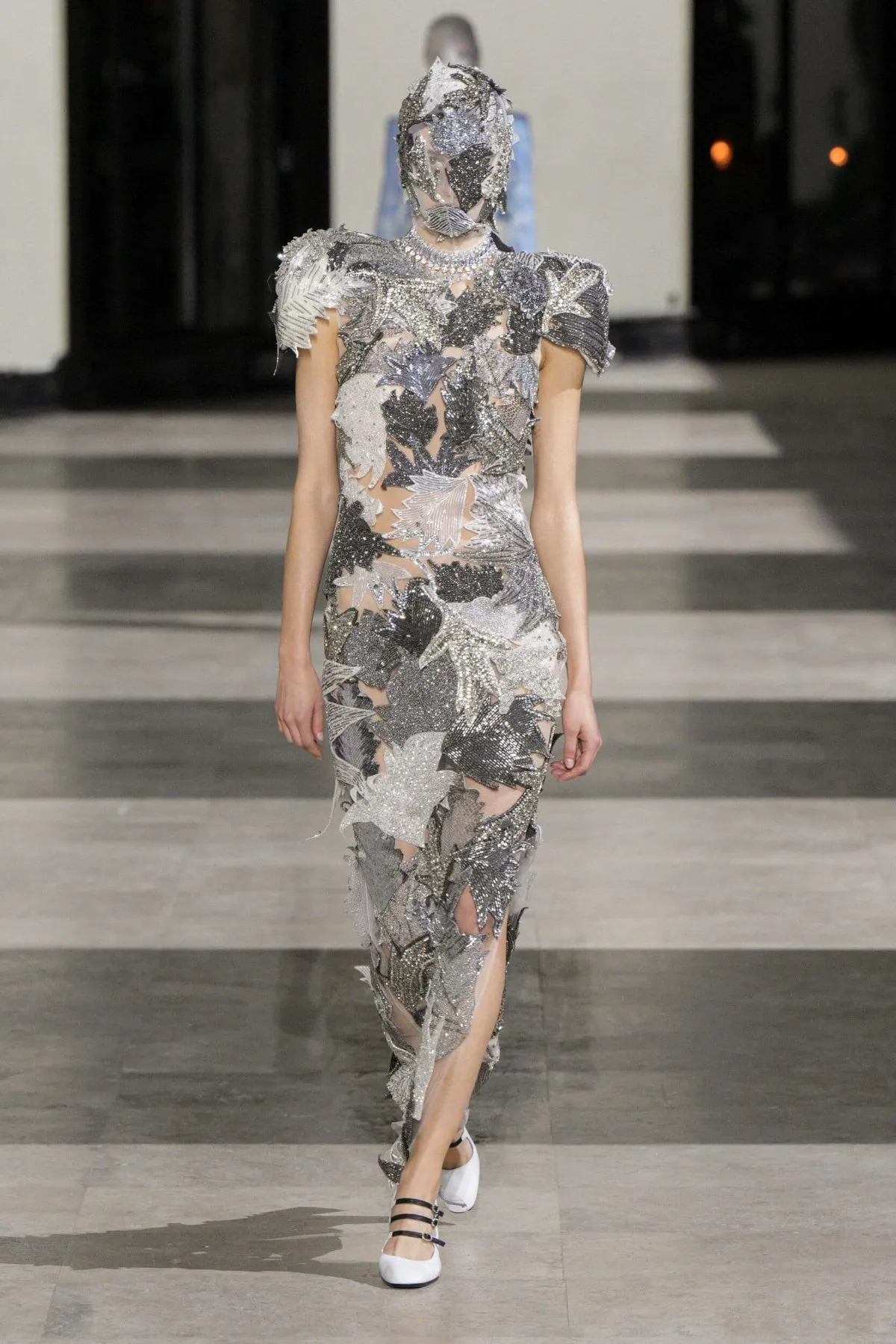
Swiss designer Kevin Germanier turned luxury excess into haute couture commentary for his Spring 2026 collection, presenting a runway show built entirely from surplus materials sourced from seven fashion houses under the LVMH group.
Known for creating couture pieces from unconventional waste materials such as plastic bags and Mylar balloons, Germanier elevated his upcycling practice this season by working with leftover luxury stock, including prototypes and unused pieces such as Berluti-designed uniforms created for France’s Olympic and Paralympic teams at the Paris 2024 Games.
Germanier noted backstage that recent creative director reshuffles across major houses have inadvertently produced greater volumes of unused stock — providing unexpected raw material for designers focused on reuse. Rather than disguising excess, his collection confronted it directly, transforming dormant inventory into elaborate couture silhouettes.
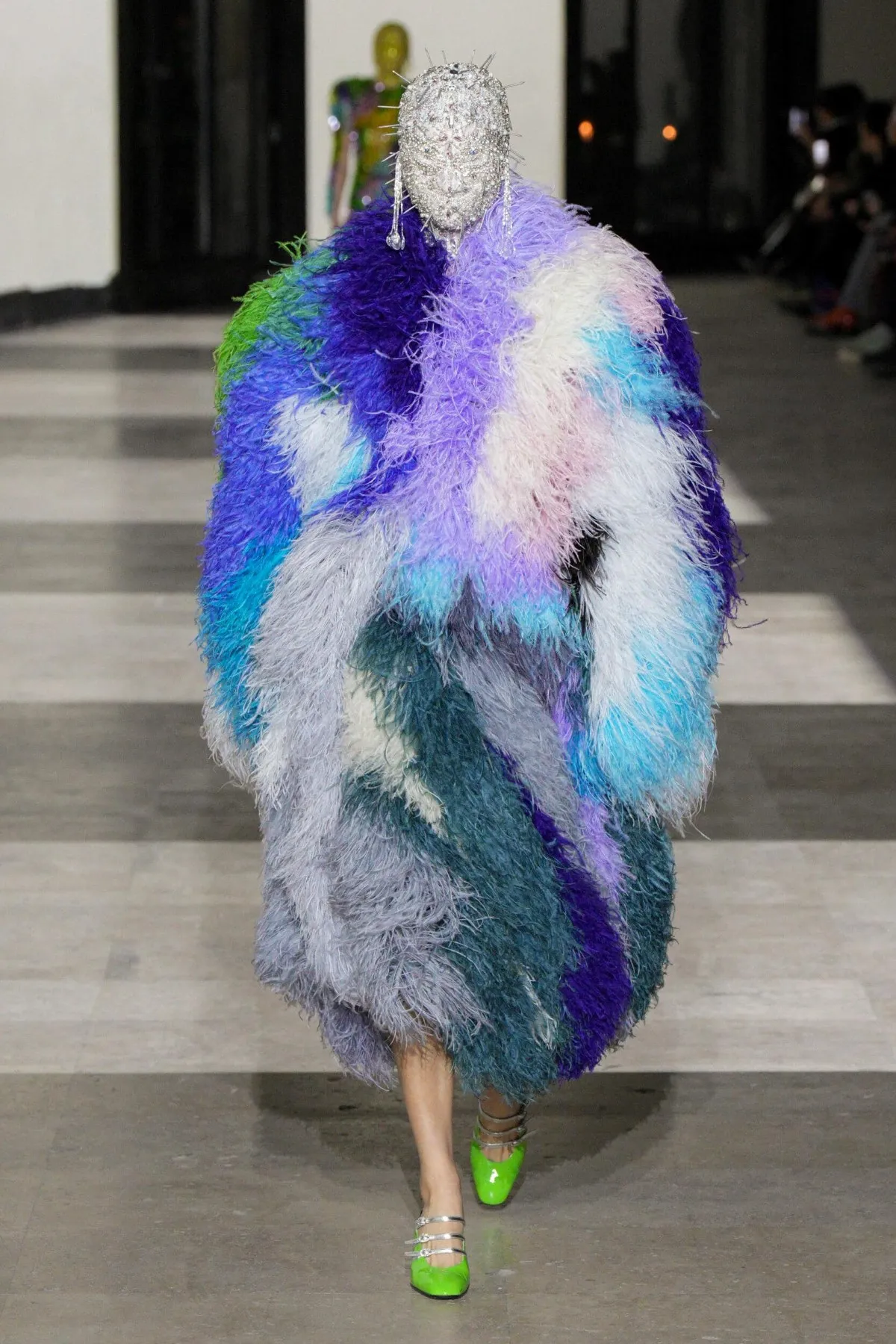
Opening the show, actress Lisa Rinna made her couture runway debut in a black off-shoulder bodysuit paired with a low-slung tulle skirt and a dramatic headpiece crafted from recycled plastic bottles shaped into thorn-like forms. The show’s palette gradually shifted from darker tones to vibrant bursts of color, with garments featuring dense embroidery inspired by Swiss artist H.R. Giger, alongside flamboyant ostrich feather coats and shimmering tinsel gowns.
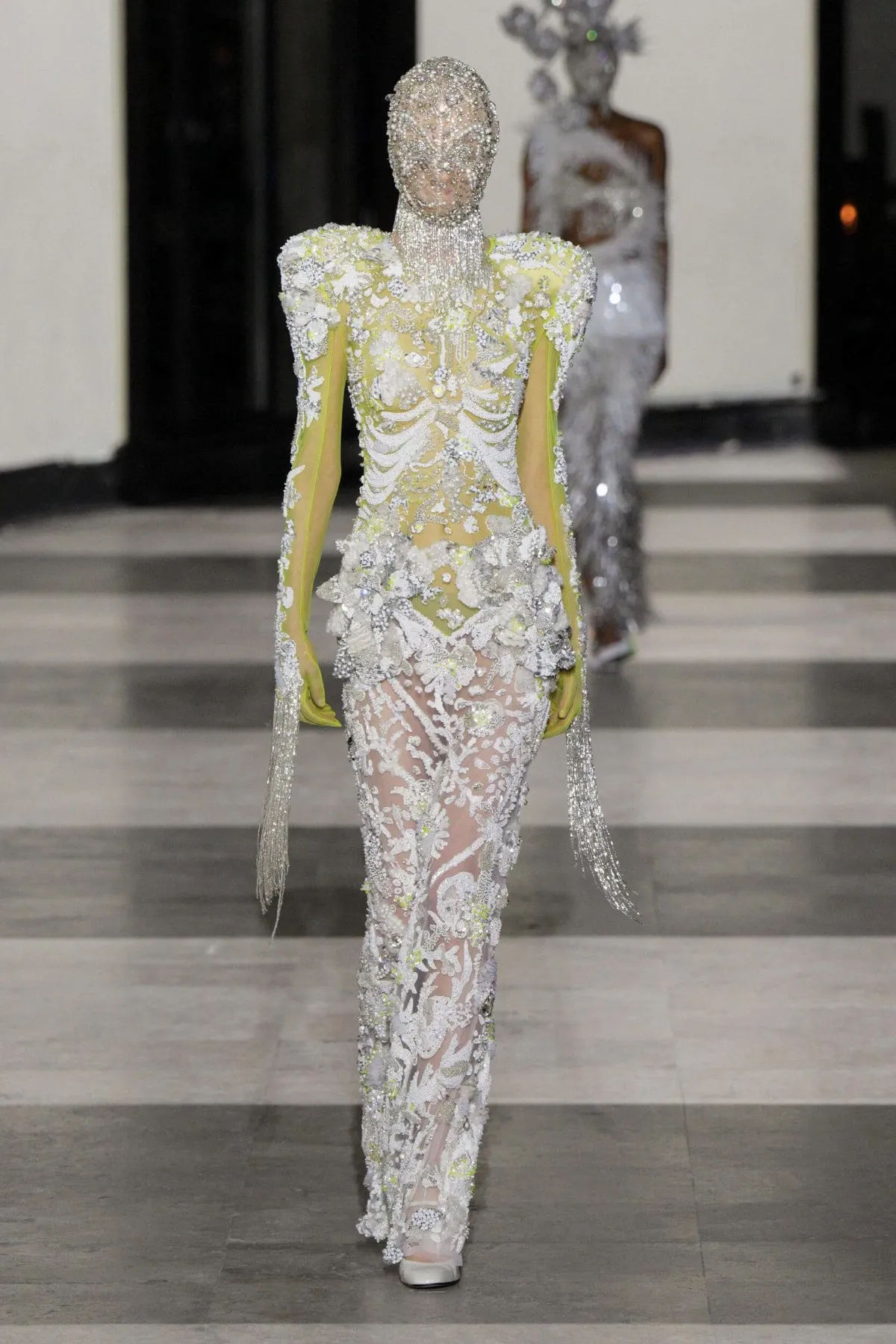
Technical reconstruction played a key role throughout the collection. Jackets were reversed to highlight hidden construction details, logos and labels were removed, and sportswear silhouettes were feminized through crystal embroidery and couture tailoring. One standout denim look incorporated sharp appliqués fashioned from sliced aluminum cans, reinforcing the collection’s tension between luxury and discarded materials. Germanier also introduced bridal looks, presenting lace gowns that ranked among the collection’s strongest pieces, though their pairing with face masks felt less novel compared to the rest of the show.
For a designer whose work has long centered on discarded materials, this season marked a conceptual shift: instead of transforming trash, Germanier elevated unused luxury goods. The result was both a celebration of craftsmanship and a pointed reminder that even the highest tiers of fashion grapple with overproduction — a reality increasingly difficult for the industry to ignore.