Zalando and Vestiaire Collective Partner to Expand Access to Authenticated Luxury Resale Across Europe
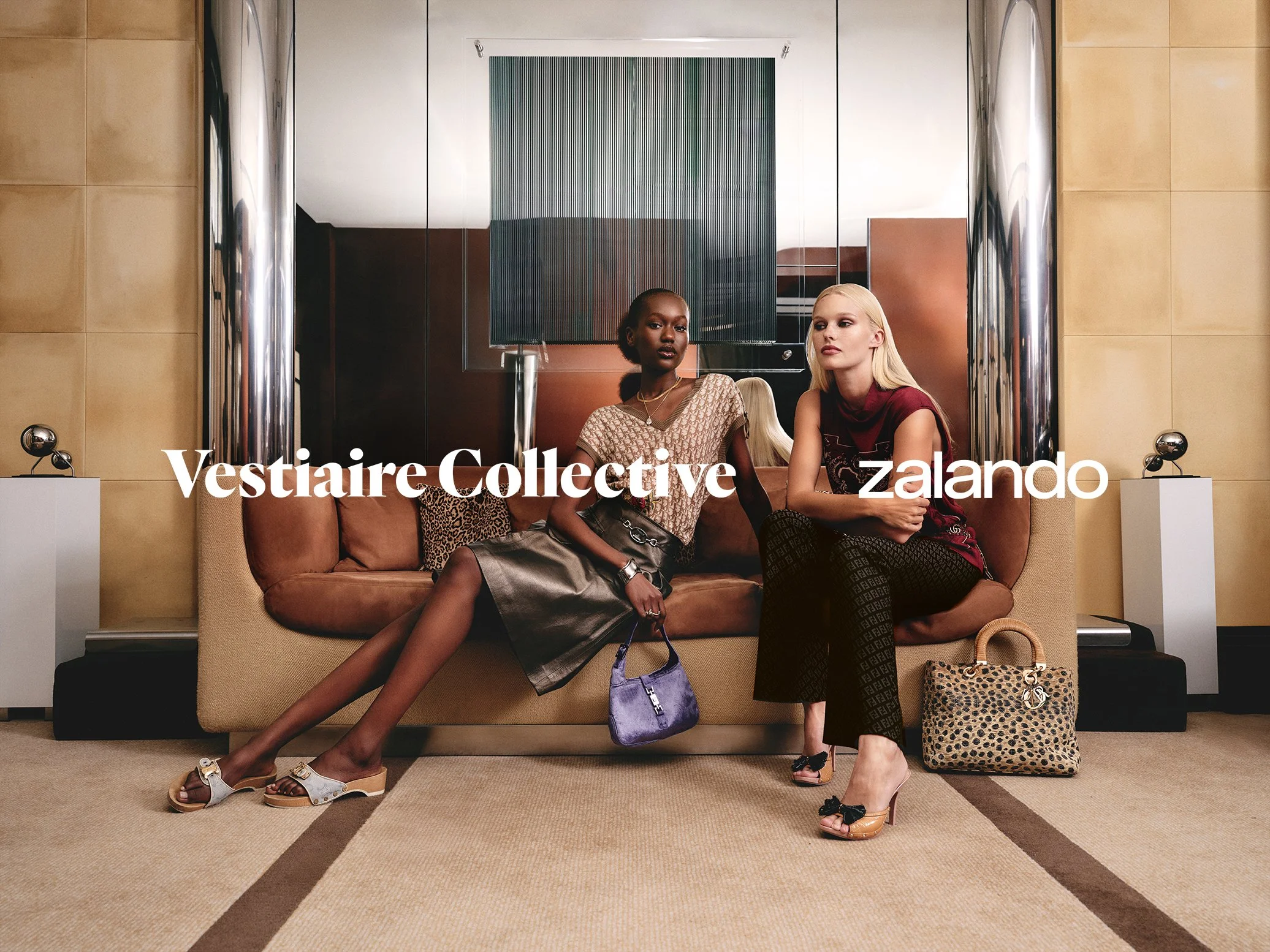

European fashion platform Zalando has announced a new partnership with Vestiaire Collective to offer authenticated pre-owned luxury fashion directly through Zalando’s Pre-owned category, marking a significant step in the mainstreaming of circular fashion across Europe.
Launching in 14 European markets, the collaboration introduces a curated selection of second-hand luxury apparel, footwear, handbags, and accessories from more than 50 designer brands. The partnership also represents the first time Zalando has opened its Pre-owned category to external partners through its Partner Program, further advancing the company’s strategy of evolving from a traditional retailer into a broader fashion and lifestyle ecosystem.
The move comes amid continued growth in consumer demand for high-quality resale fashion. According to Zalando, an average of 62% of items listed in its Pre-owned category were sold within seven days in 2025, highlighting strong market appetite for second-hand products. The company also reports that 40% of customers purchasing pre-owned items add new products to the same order, reflecting increasing acceptance of blended consumption models that combine new and resale fashion.
Trust and product verification remain central to the partnership. All items supplied through Vestiaire Collective undergo authentication through the company’s global network of authenticators and quality controllers before being made available on Zalando. Returned products are re-authenticated before re-entering the marketplace, helping maintain quality assurance and consumer confidence.
The partnership aligns with broader industry efforts to scale circular business models and extend product lifecycles through resale. By combining Vestiaire Collective’s expertise in luxury authentication with Zalando’s extensive customer reach, the companies aim to make pre-owned luxury more accessible, visible, and appealing to a wider audience, particularly younger consumers seeking more sustainable ways to engage with fashion.
As resale continues to gain traction within the fashion sector, collaborations such as this highlight how digital platforms can play a pivotal role in accelerating circularity while creating new revenue streams and extending the lifespan of existing products.