Reju secures €135m to build large‑scale textile‑to‑textile regeneration hub in the Netherlands
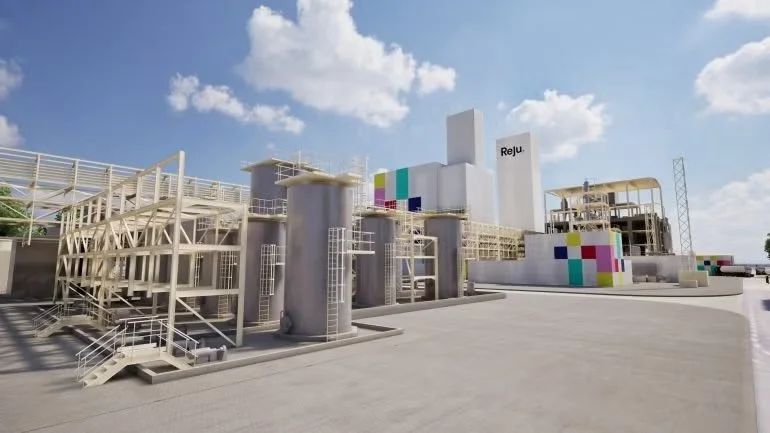
Reju, the French textile‑to‑textile regeneration company, has been awarded €135 million through the Netherlands’ NIKI (Nationale Investeringsregeling Klimaatprojecten Industrie) programme to build an industrial‑scale circular textiles hub at the Chemelot Industrial Park. The facility will process post‑consumer textiles into Reju Polyester, a regenerated material with 50% lower carbon emissions than virgin polyester and the ability to divert hard‑to‑recycle fractions from landfill and incineration.
The investment marks one of Europe’s largest public commitments to textile‑to‑textile recycling infrastructure. Reju says the Chemelot hub will deliver circular raw materials at scale, reduce emissions across fashion value chains, and serve as a replicable blueprint for circular textile systems across the region.
The Chemelot site was selected for its established industrial ecosystem, shared utilities, and logistics infrastructure — all of which are critical for scaling depolymerisation and downstream processing. The project aims to support fully traceable circular supply chains, increasing the displacement of virgin, fossil‑fuel‑based fibres and strengthening Europe’s capacity to meet upcoming circularity and waste‑reduction targets.
The announcement follows Reju’s recent expansion moves, including a planned circular textile hub in Lacq, France, which will convert French waste streams into rBHET for new Reju PET, and the company’s first US‑based industrial facility in Rochester, New York. These developments build on the company’s existing demo plant, Regeneration Hub Zero, operating in Frankfurt.
Together, these hubs signal Reju’s ambition to establish a global network of industrial regeneration facilities capable of transforming textile waste into high‑quality feedstock — and materially reducing the environmental footprint of polyester‑based products.