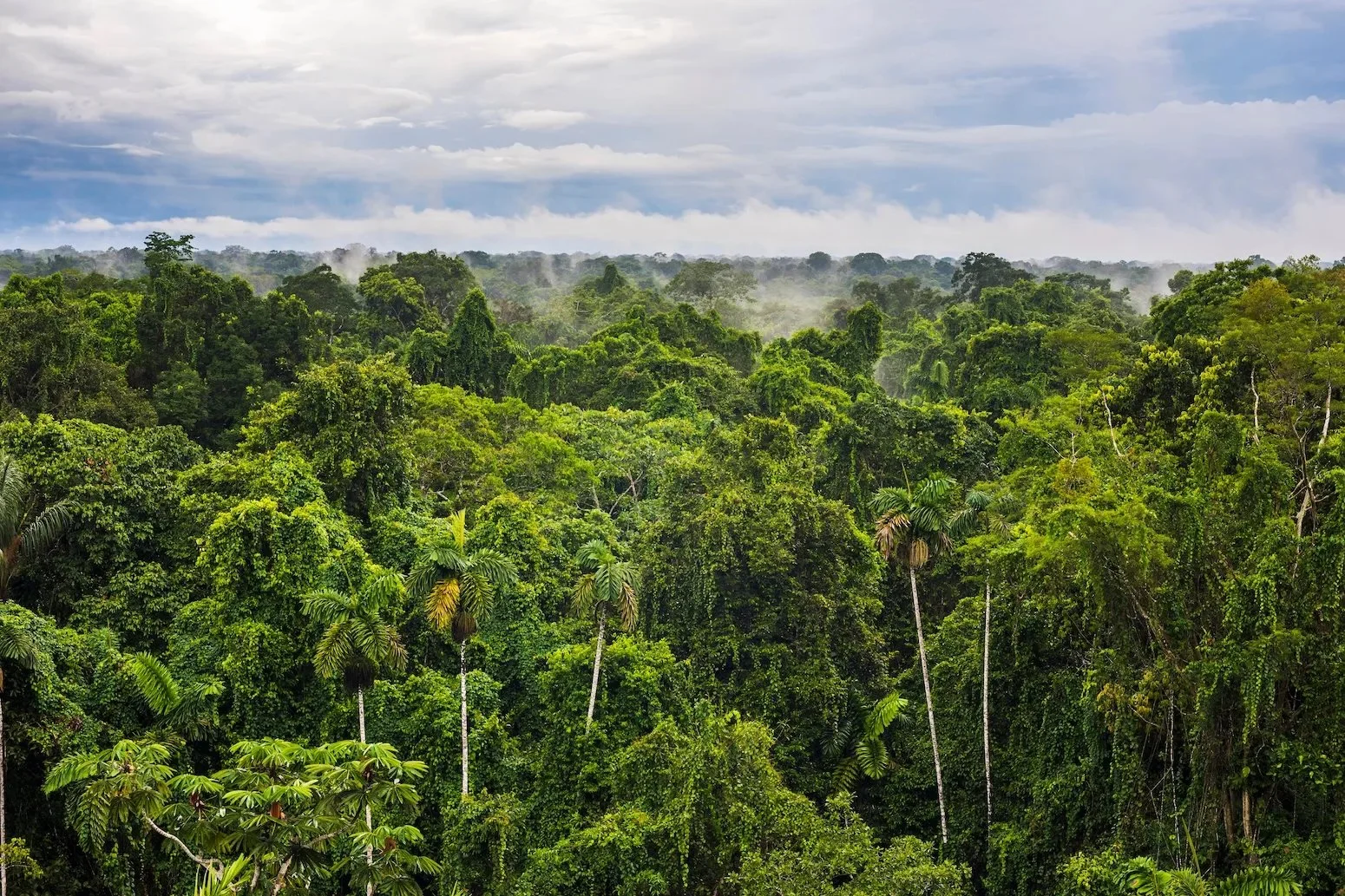
The COP30 Presidency has unveiled two international roadmaps aimed at accelerating the transition away from fossil fuels in energy systems and halting and reversing deforestation and forest degradation by 2030. Presented on November 3 in Brasília by COP30 President André Corrêa do Lago and CEO Ana Toni, the roadmaps seek to translate existing global climate commitments into actionable national policies, investment strategies and measurable outcomes. Building on the first Global Stocktake under the Paris Agreement, they address two major sources of greenhouse gas emissions: energy, which accounts for approximately 75% of global emissions, and forest loss, responsible for around 11%.
The energy transition roadmap introduces the Belém Readiness Approach, a framework to help countries assess their exposure to fossil fuels and identify transition priorities across energy demand, energy supply and broader economic structures. It emphasizes the need for a just, orderly and equitable transition that expands access to affordable clean energy, protects workers and communities, and strengthens energy security. Meanwhile, the forest roadmap sets out five areas of action: conservation, sustainable forest management, agroforestry and bioeconomy, combating forest degradation and deforestation, and ecosystem restoration. It also highlights the need to strengthen forest monitoring, institutional capacity and sustainable trade incentives, alongside substantially increasing investment. Annual forest finance, currently estimated at US$84.5 billion in 2023, needs to exceed US$300 billion by 2030. Together, the two voluntary, non-prescriptive roadmaps underscore a shared message ahead of COP31 in Antalya: the international community must move beyond climate commitments and accelerate their implementation through country-led action, stronger multilateral cooperation and increased public and private investment.