Textile Exchange Releases First Public Life Cycle Assessment for Cashmere
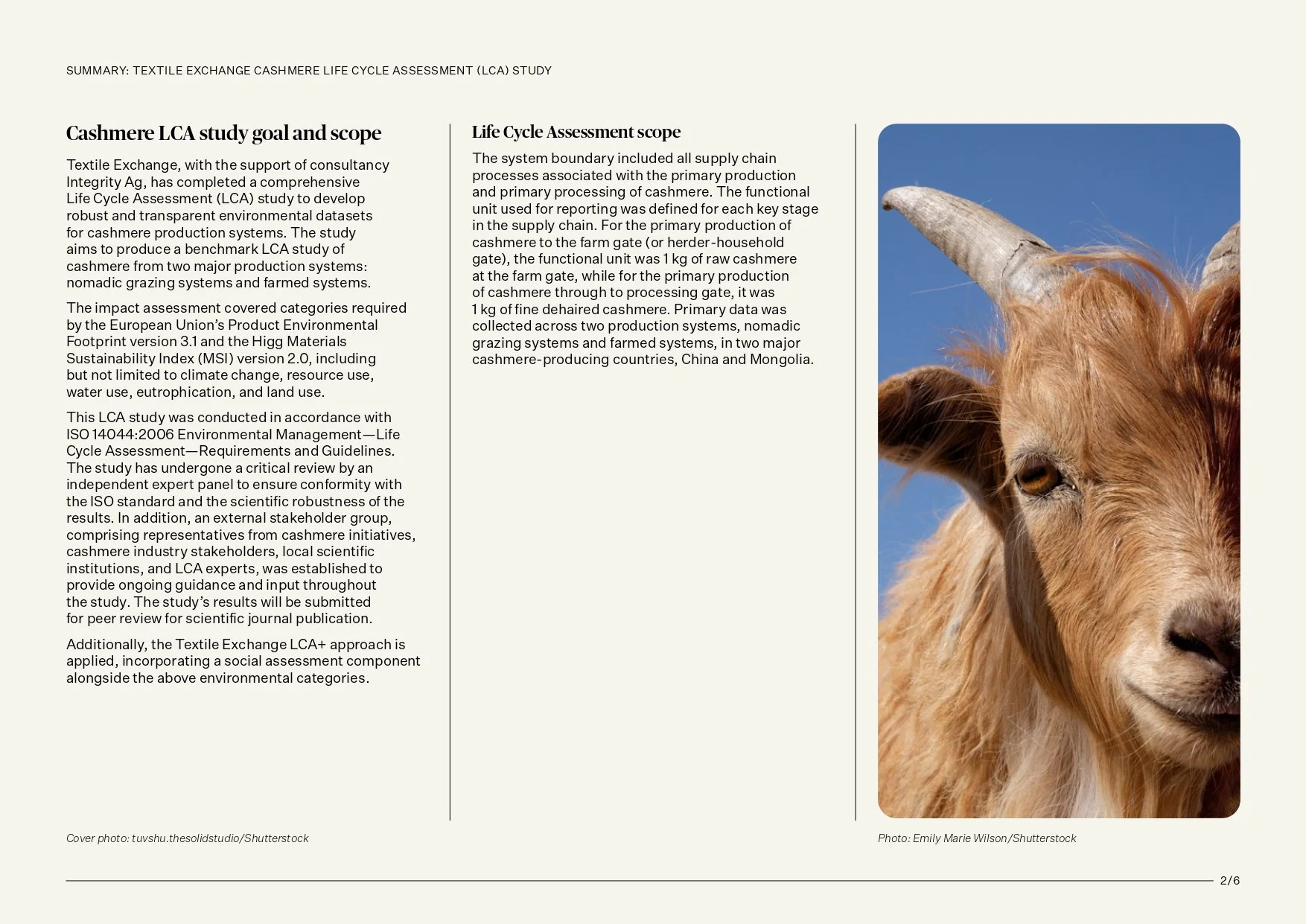
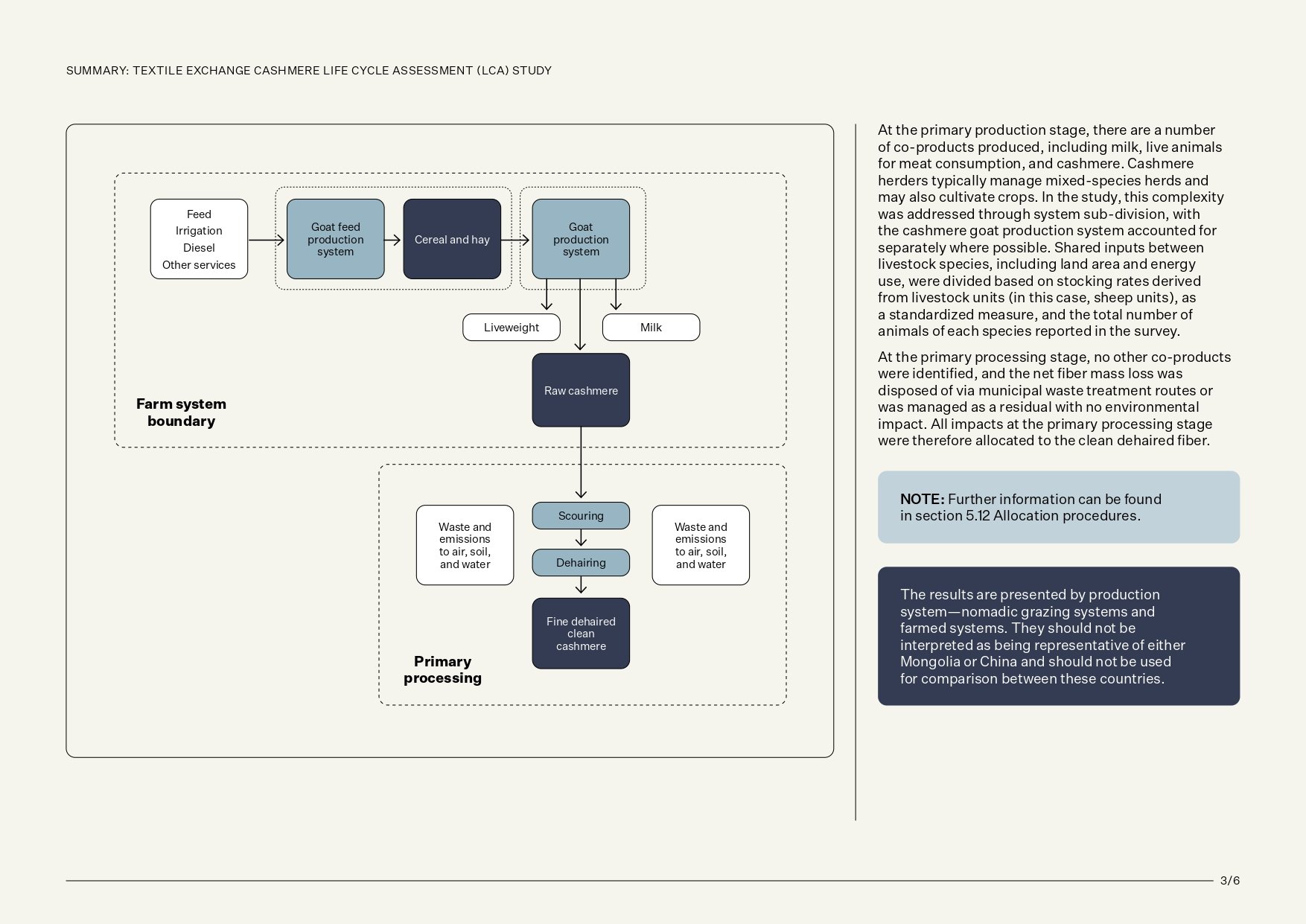
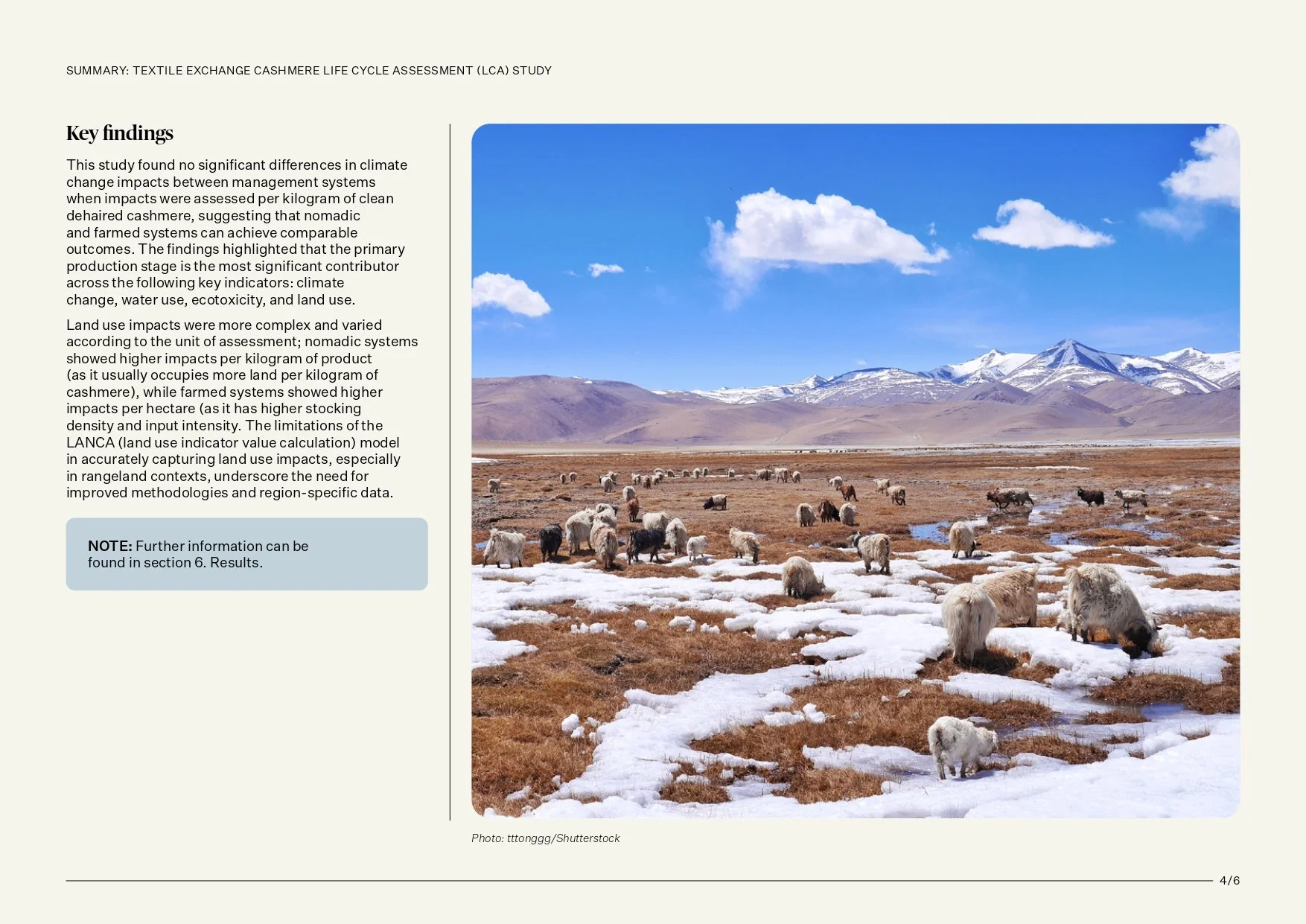
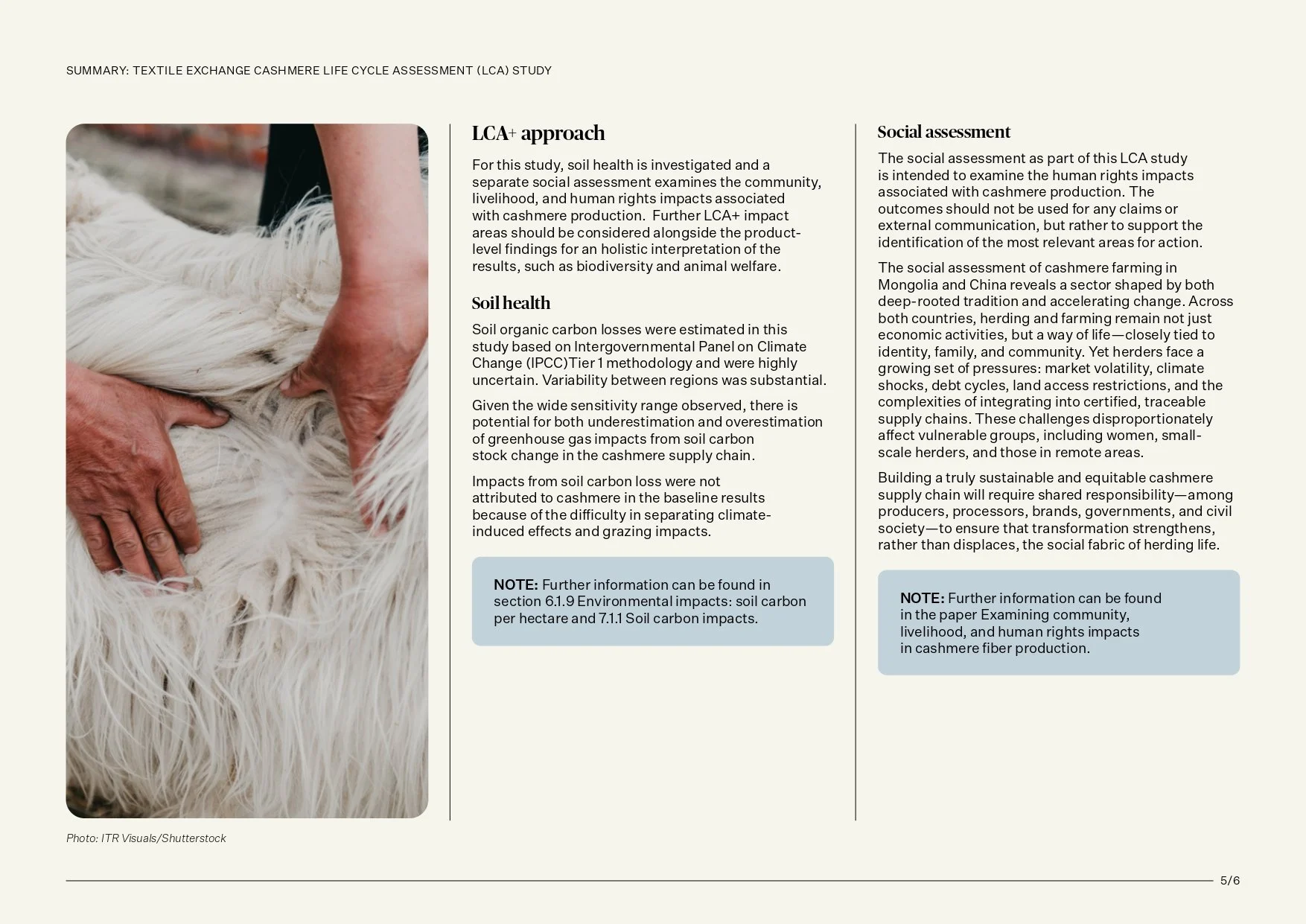
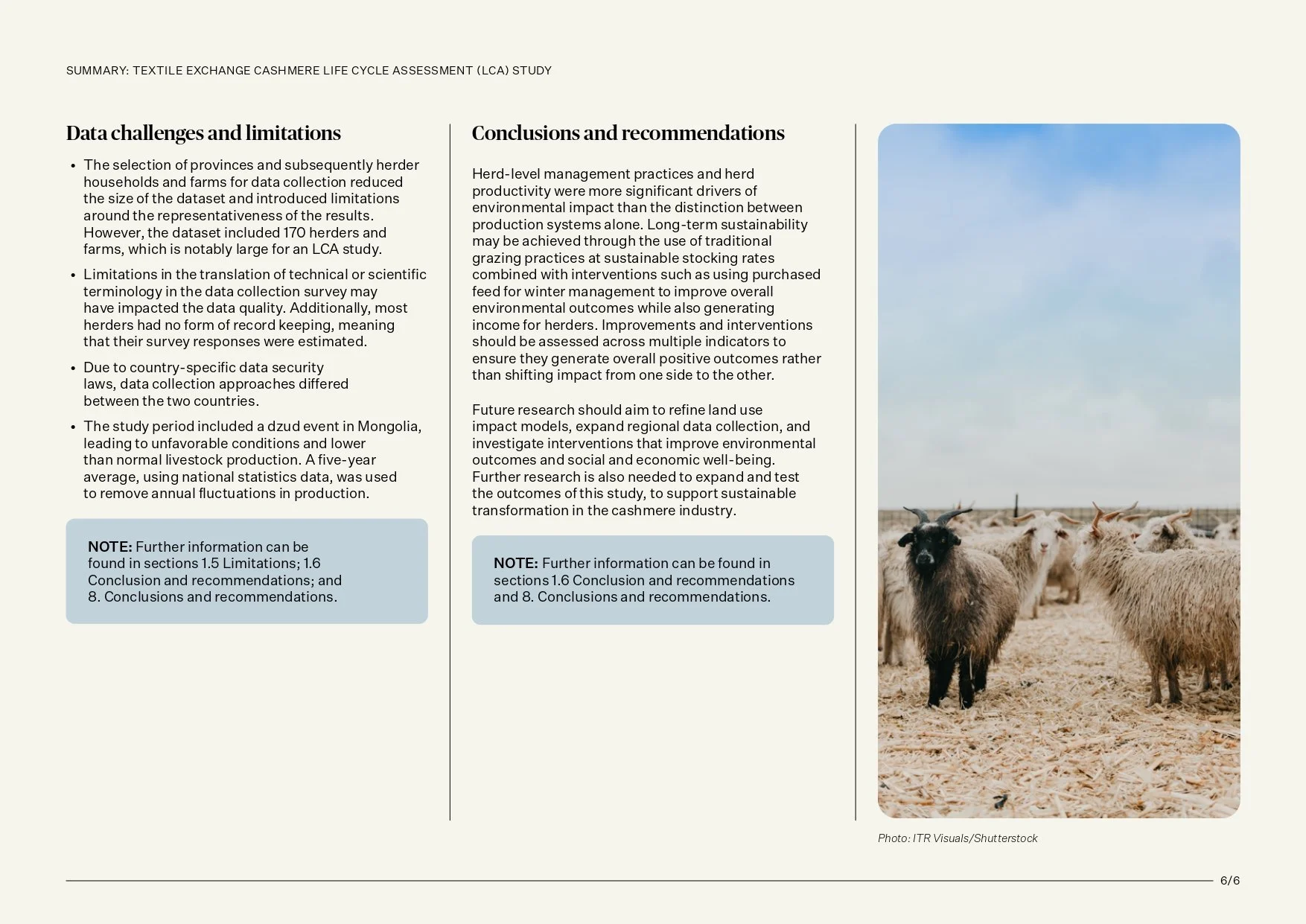
Textile Exchange has published the first widely available Life Cycle Assessment (LCA) study for cashmere, offering new data to help the fashion industry better understand the environmental and social impacts of cashmere production. Developed using data collected directly from 170 herders and farmers across the world’s two largest cashmere-producing countries, the study covers both nomadic and farmed grazing systems and aims to address a longstanding data gap in the sector.
As the third report in Textile Exchange’s 2026 LCA series—following studies on cotton and polyester—the assessment identifies key environmental impact hotspots, providing brands with a more robust foundation for measuring performance and prioritizing interventions across their supply chains.
Beyond conventional environmental metrics, the report adopts an LCA+ approach by incorporating soil health alongside a separate social assessment examining livelihoods, community wellbeing and human rights. The findings highlight the growing pressures facing cashmere producers, including economic challenges and the impacts of extreme weather, while identifying herd management and productivity as key drivers of environmental performance.
Textile Exchange emphasizes that achieving a more sustainable and equitable cashmere industry will require shared responsibility across the value chain, with brands, suppliers and producers working together to support regenerative practices, strengthen producer resilience and invest in long-term improvements informed by transparent, science-based data.