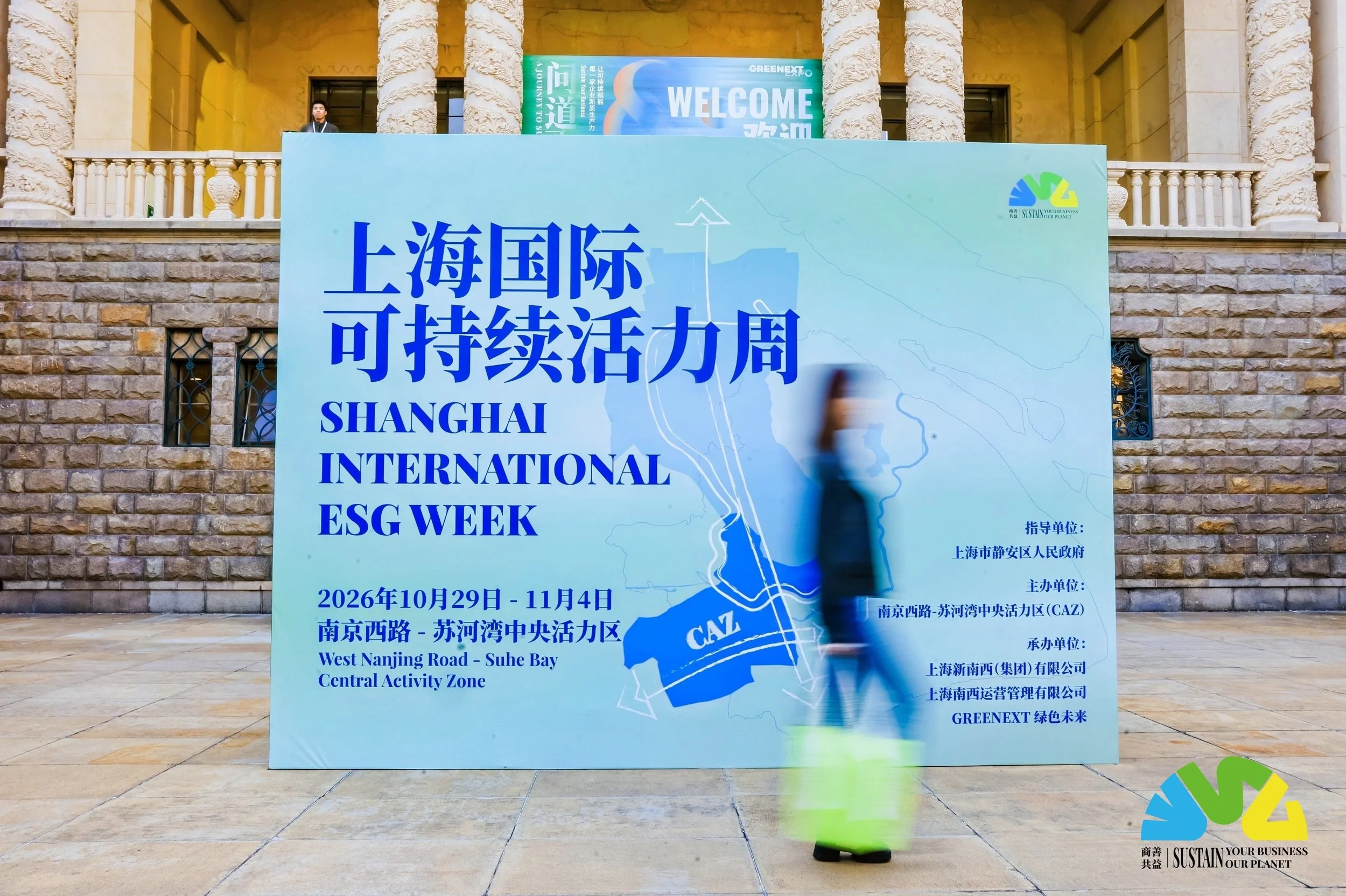
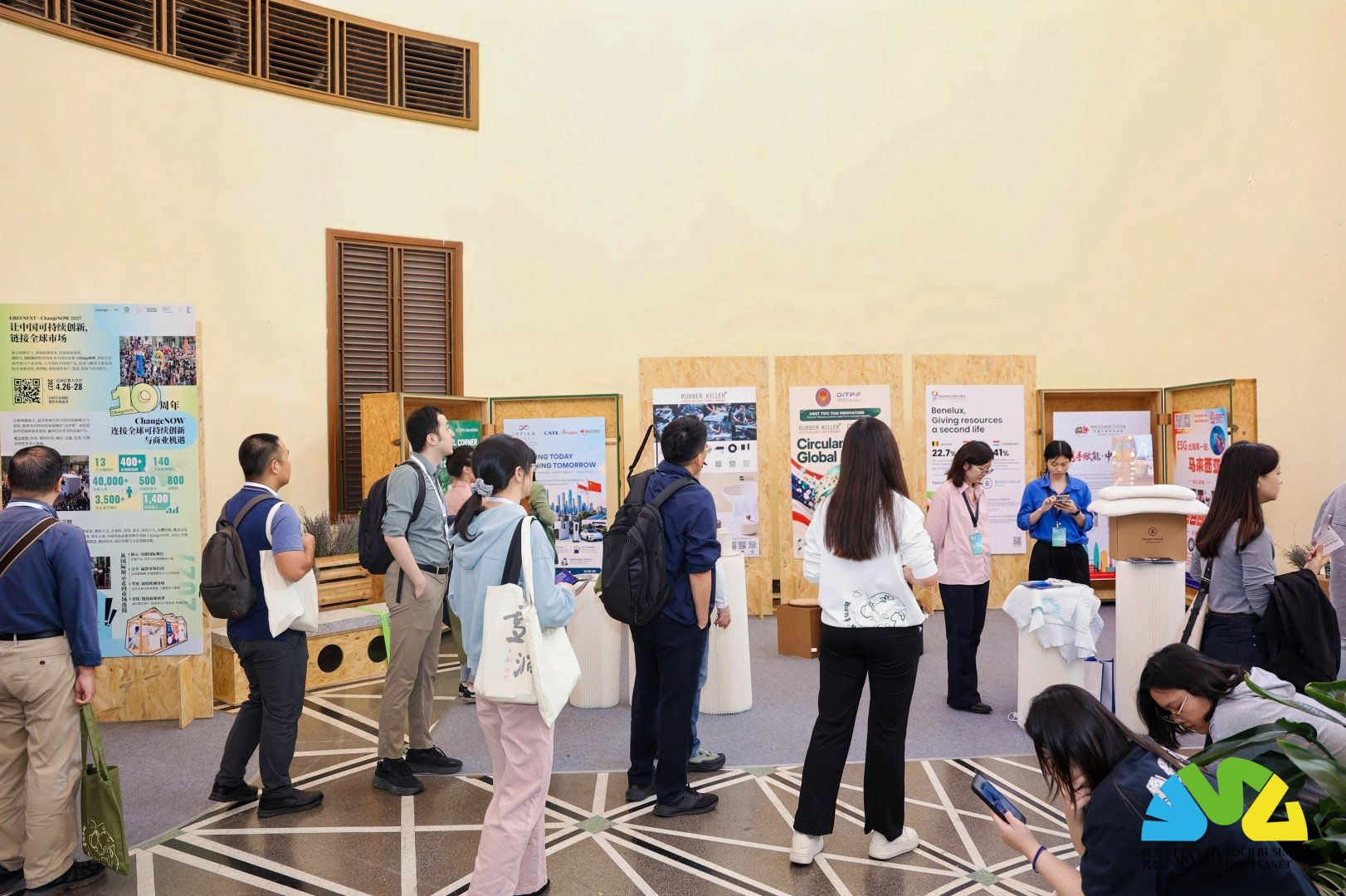
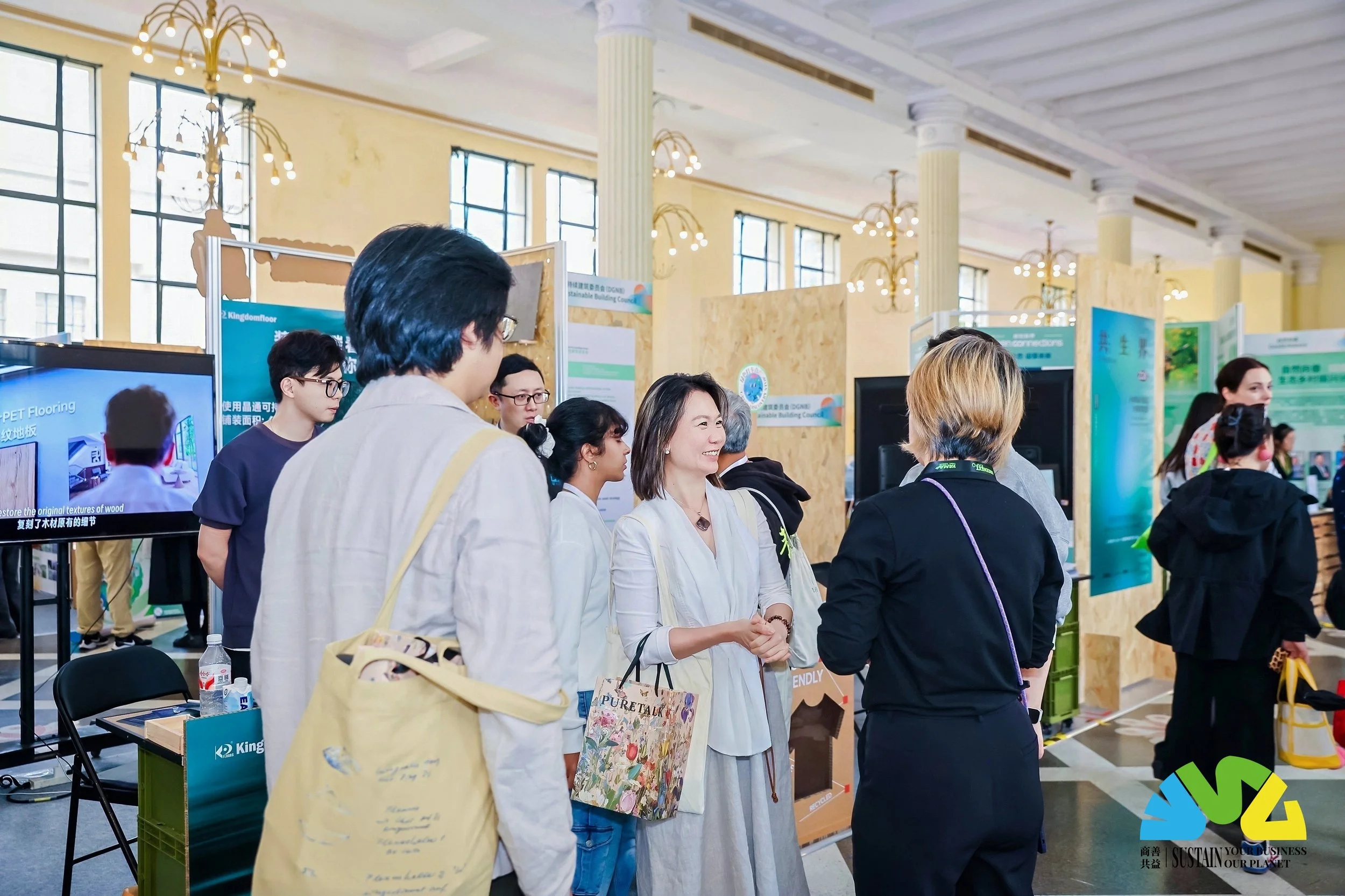
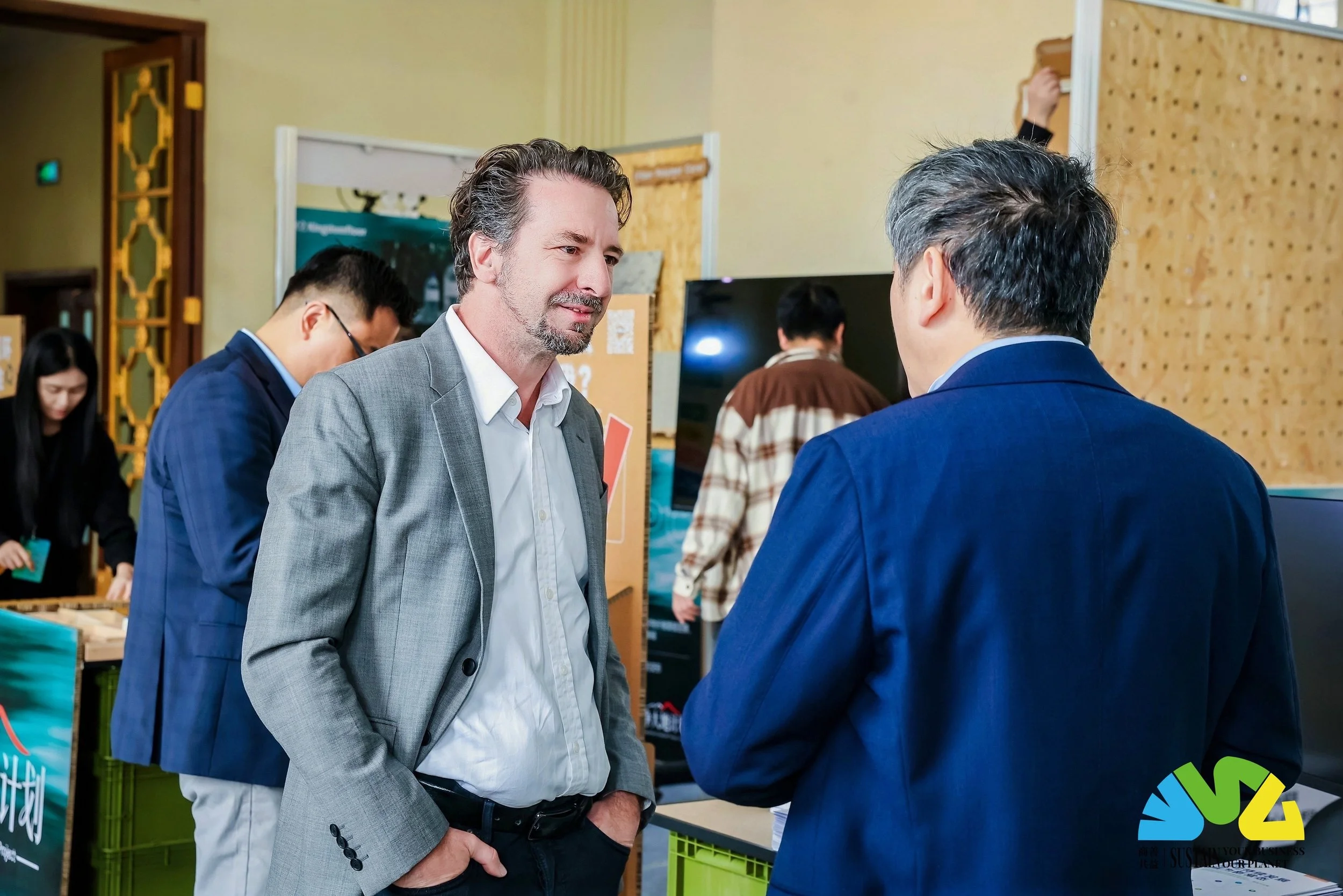
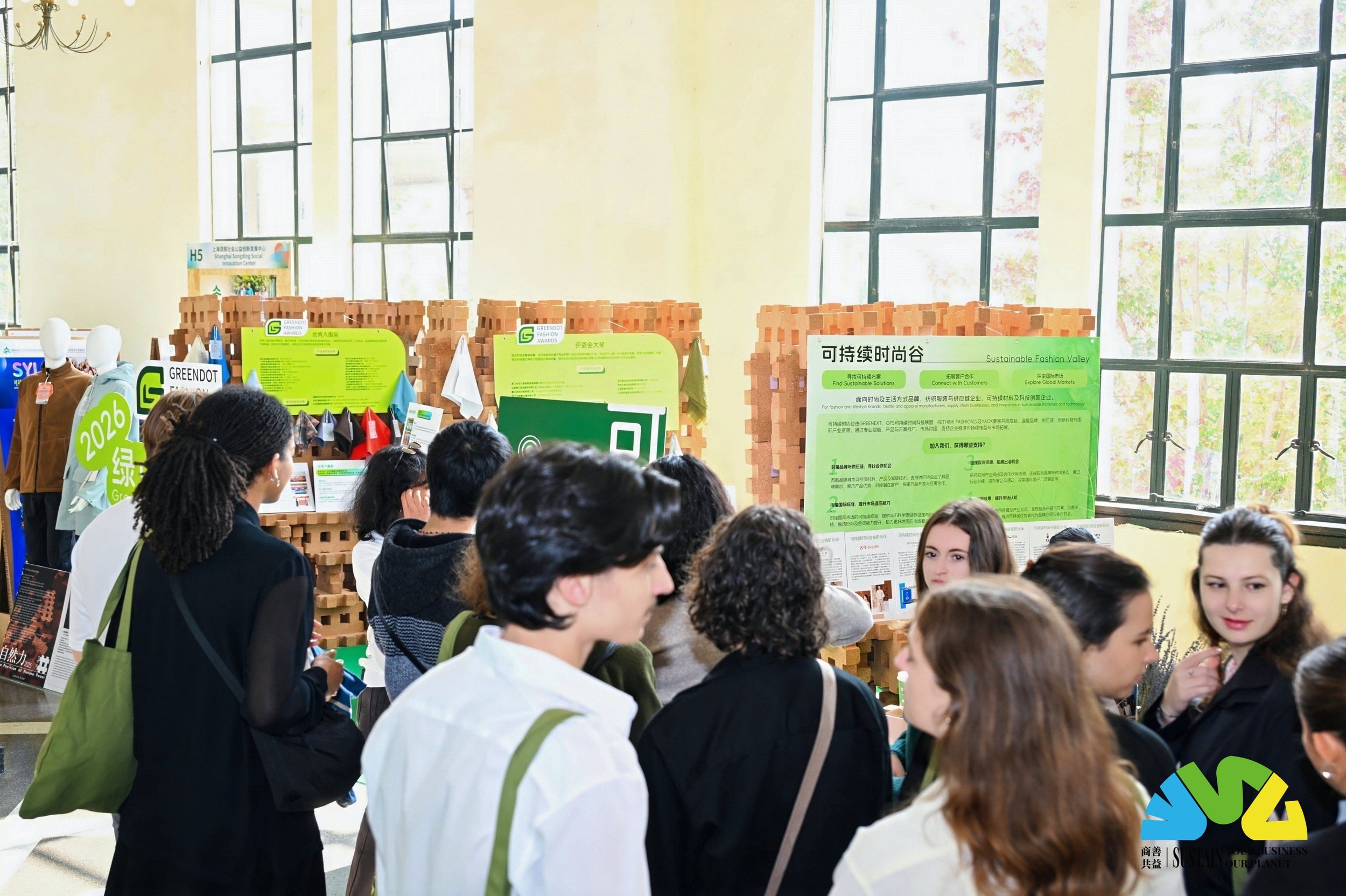
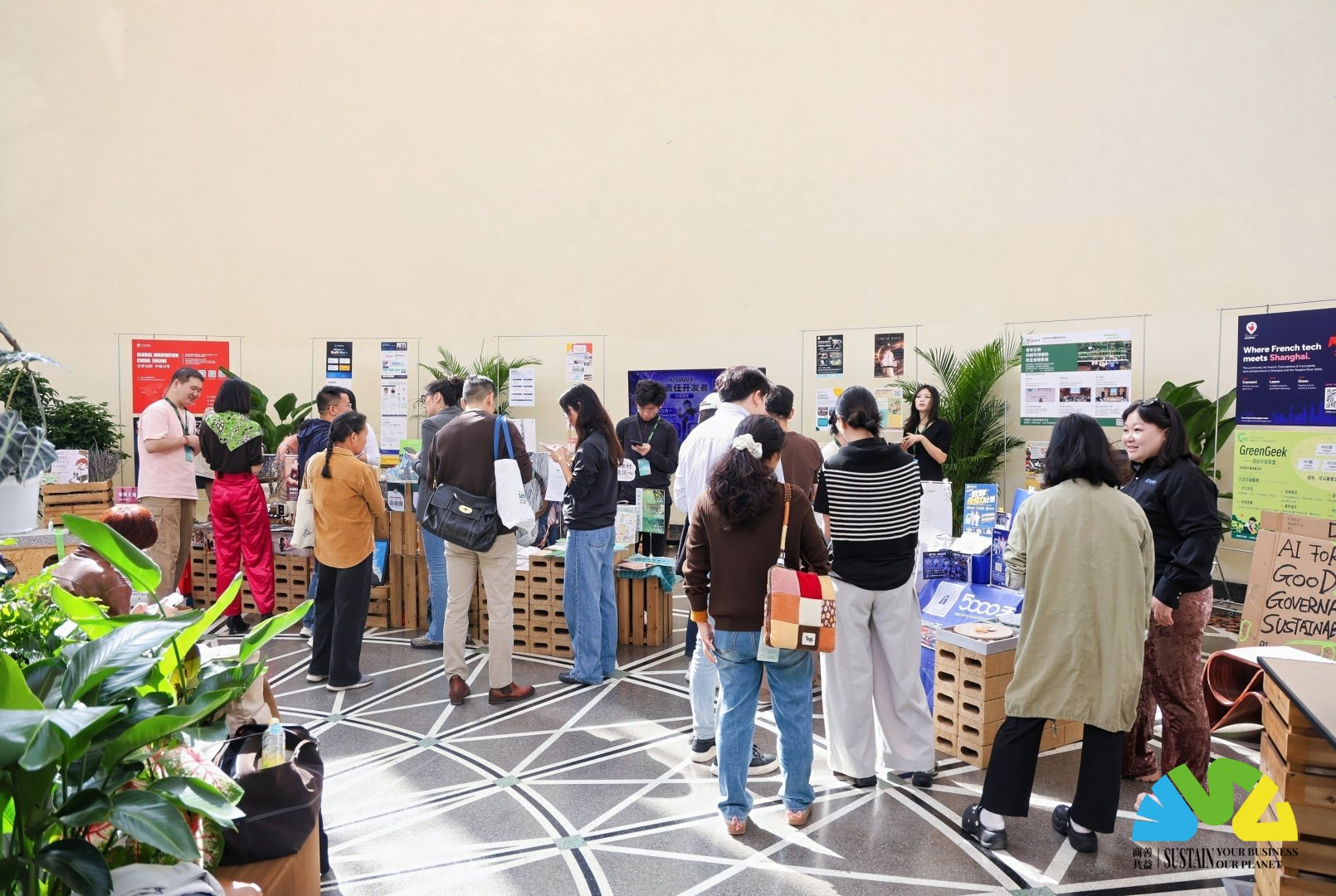
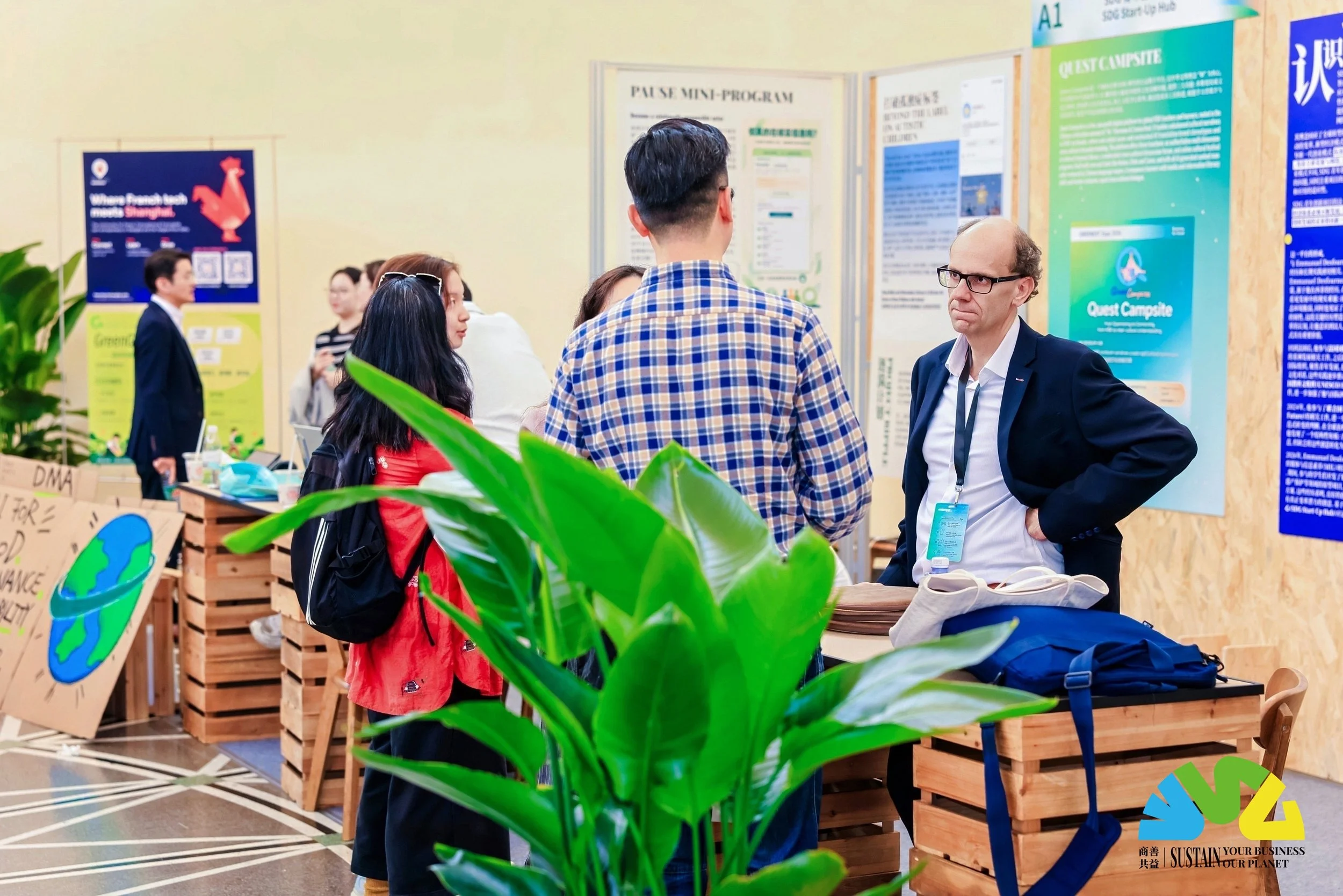
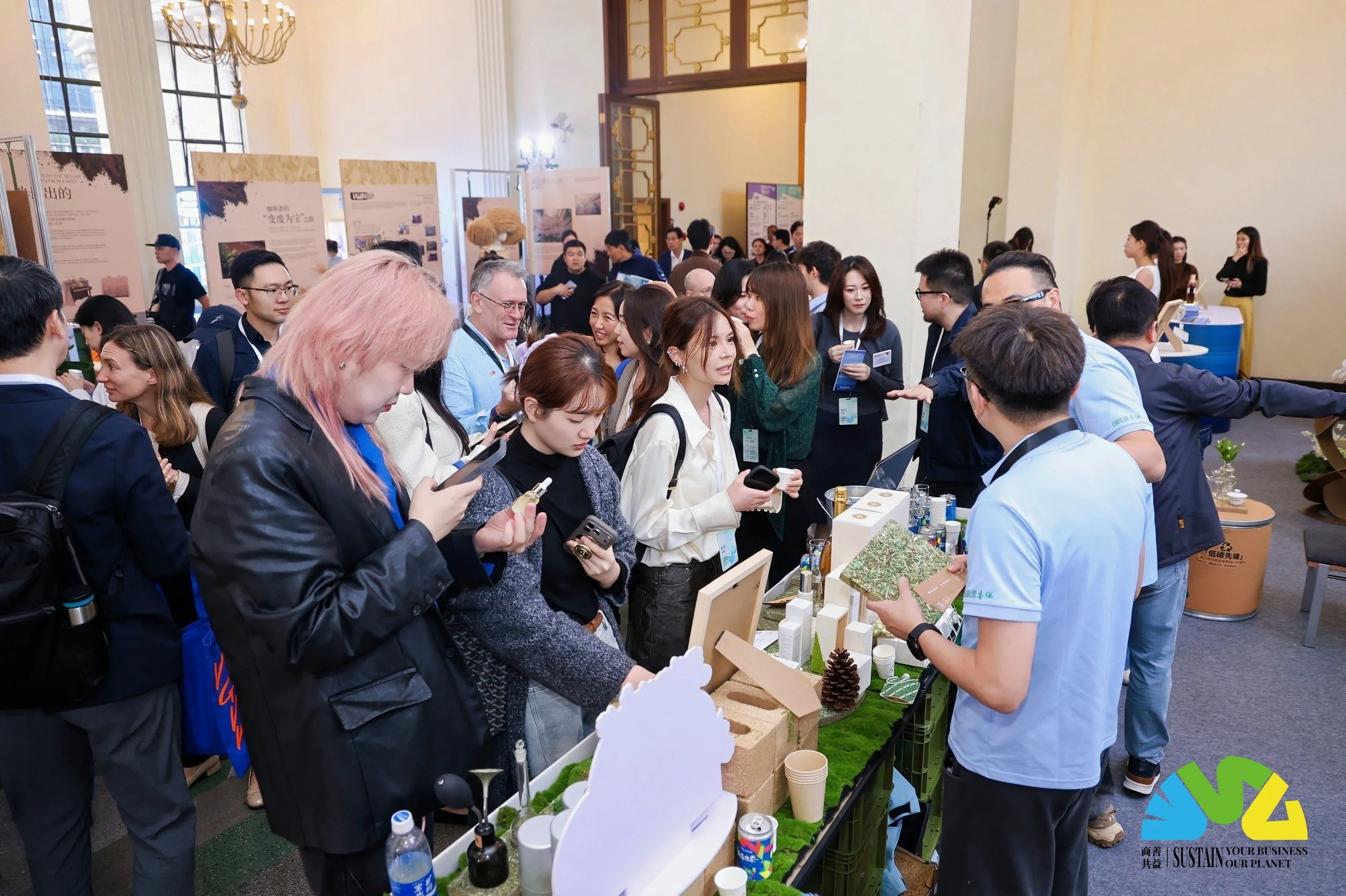
The third edition of GREENEXT Expo concluded on 30 October at the Shanghai Exhibition Center. Held from 29 to 30 October under the theme Low-Carbon Transformation × Tech Innovation × Business for Good, the expo welcomed 6317 visitors. It brought together more than 150 brands and institutions to showcase sustainability innovations, practical solutions, and emerging approaches to sustainable development.
Since its 2024 launch, GREENEXT Expo has continued to foster cross-sector dialogue, industry collaboration, and public engagement. Through exhibitions, forums, project launches, and interactive experiences, the 2026 edition further strengthened the connection between industrial innovation and urban action, exploring new ways to create shared value for business and society.
As the flagship professional exhibition of Shanghai International ESG Week, GREENEXT Expo 2026 brought together stakeholders across five thematic zones: Net Zero Engine, Nature Positive, Circular Economy, Conscious Living, and Business for Good. The exhibition reflected GREENEXT founder Dr. Zheng Hong's vision: to pursue truth through science and innovation, goodness through human care and ecological responsibility, and beauty through art, design, and lifestyle. This philosophy underpins GREENEXT’s mission to empower businesses to develop new productive capabilities through sustainability, create both commercial and social value, and make sustainable living an increasingly accessible part of everyday life.
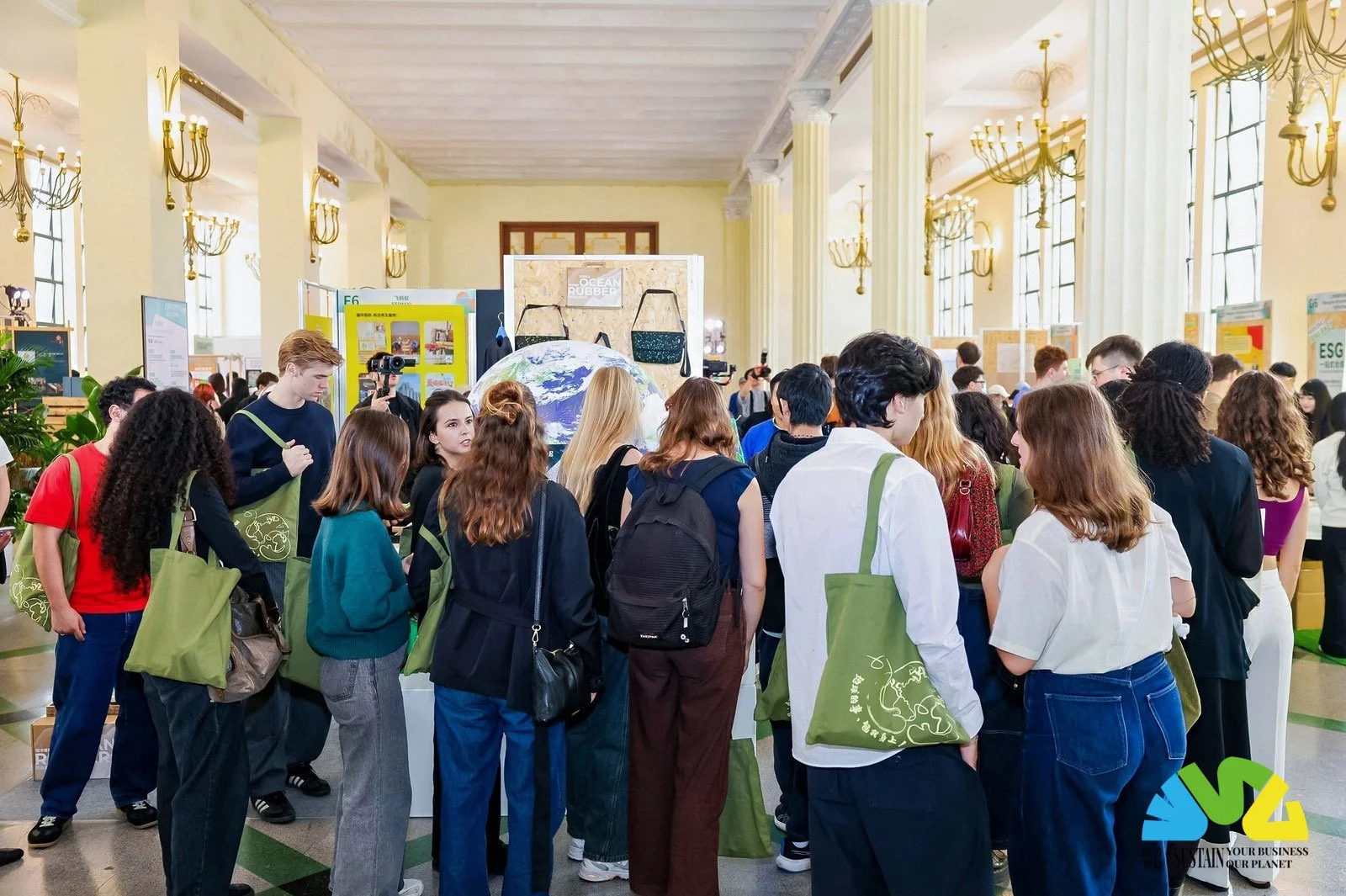
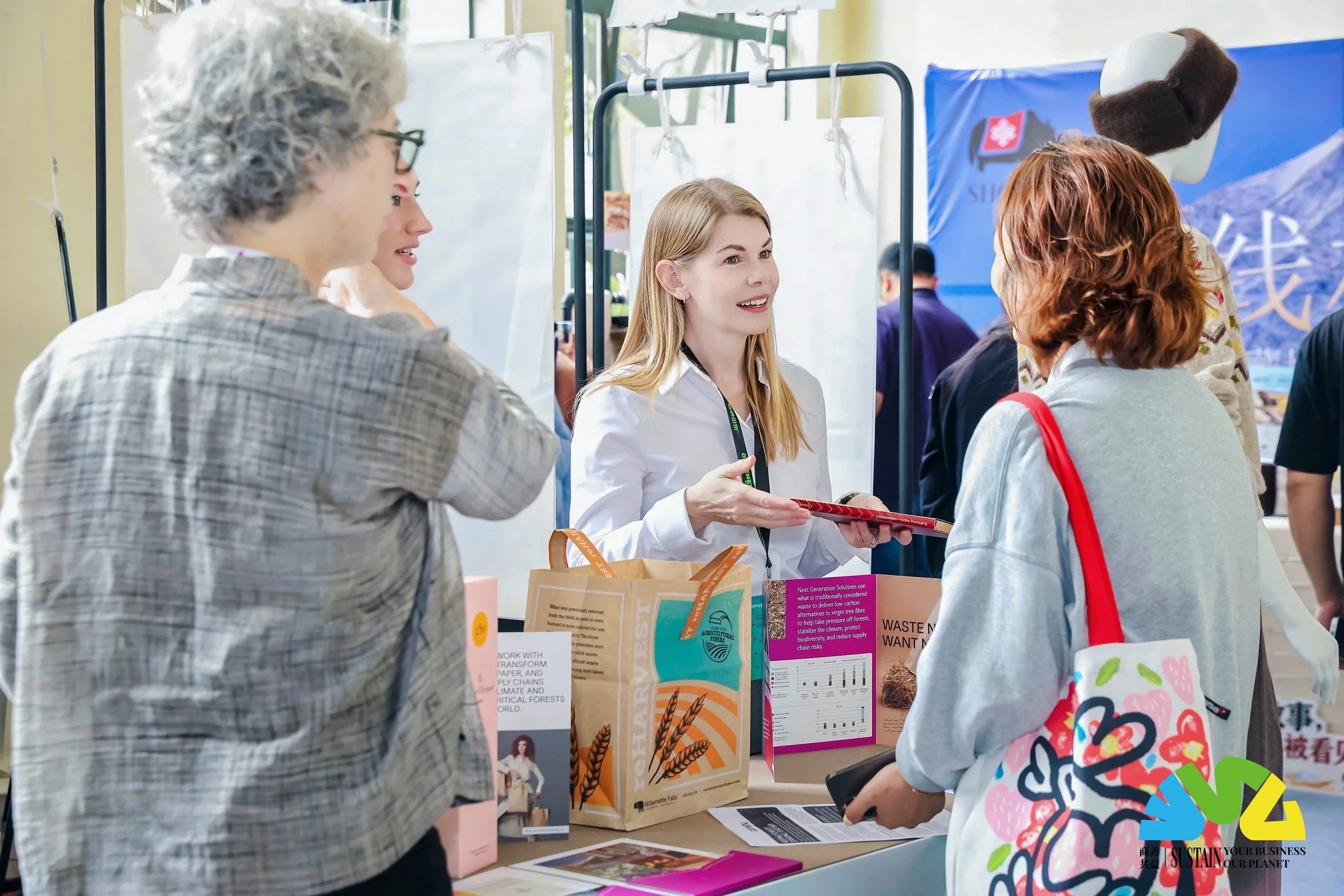
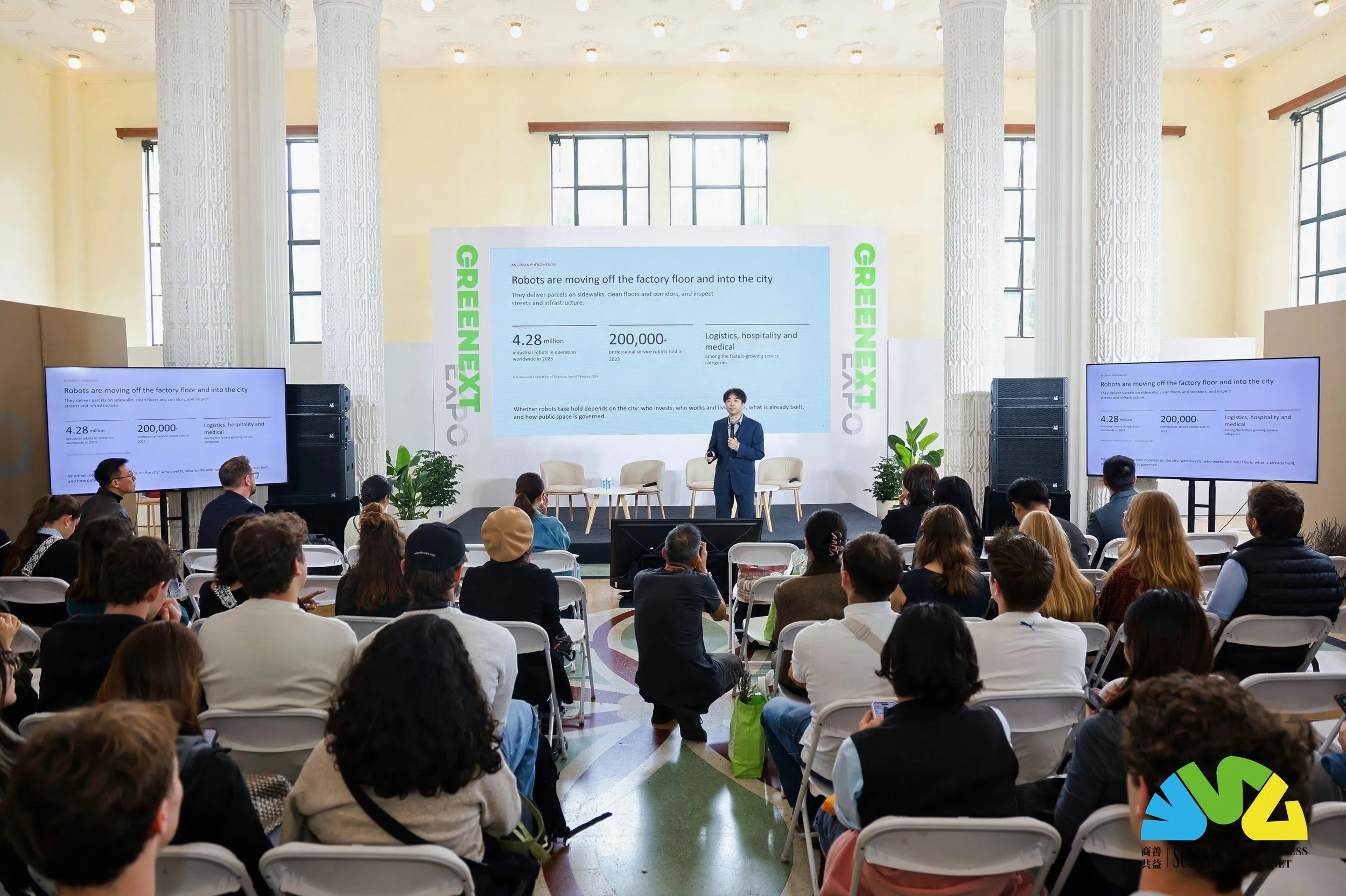
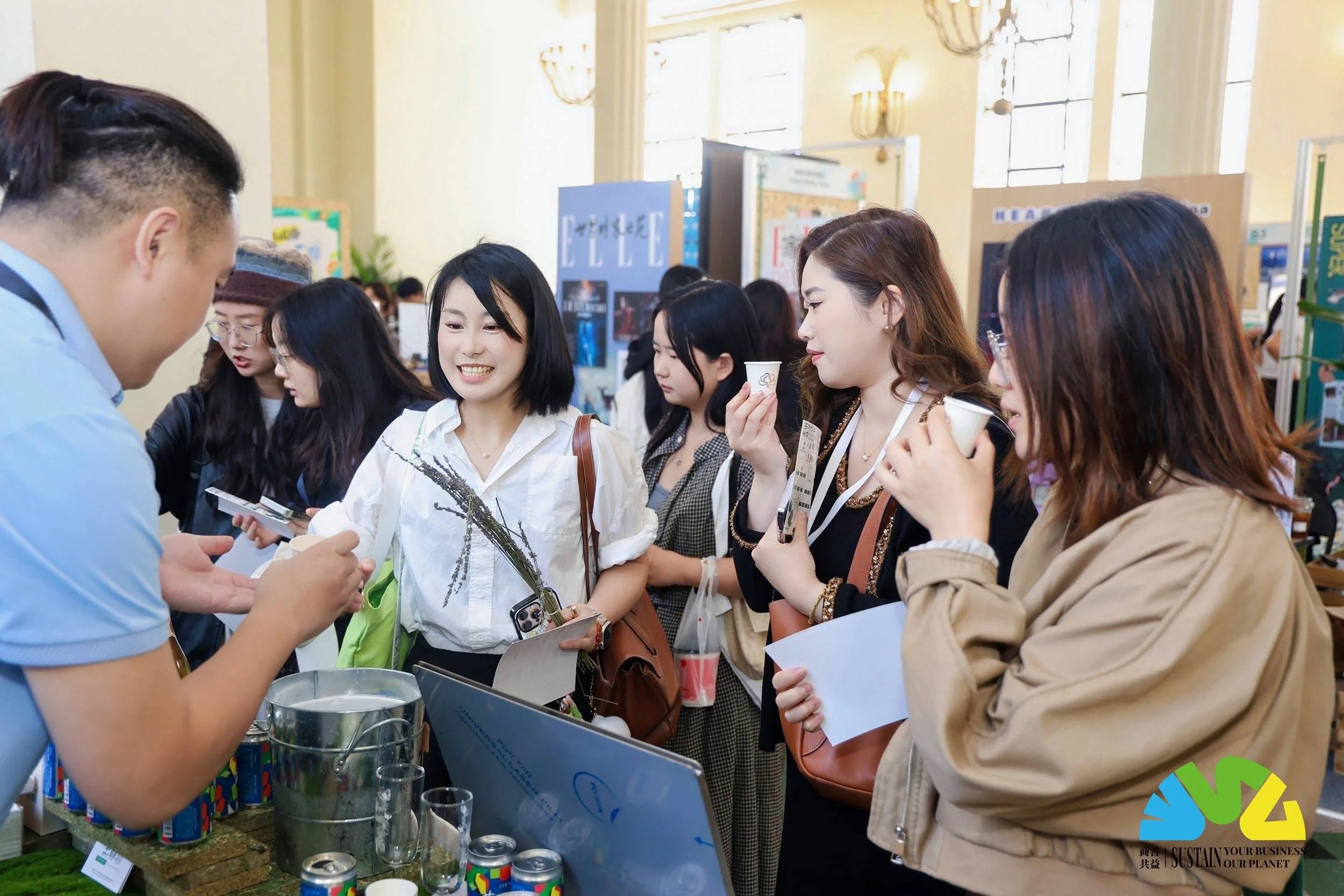
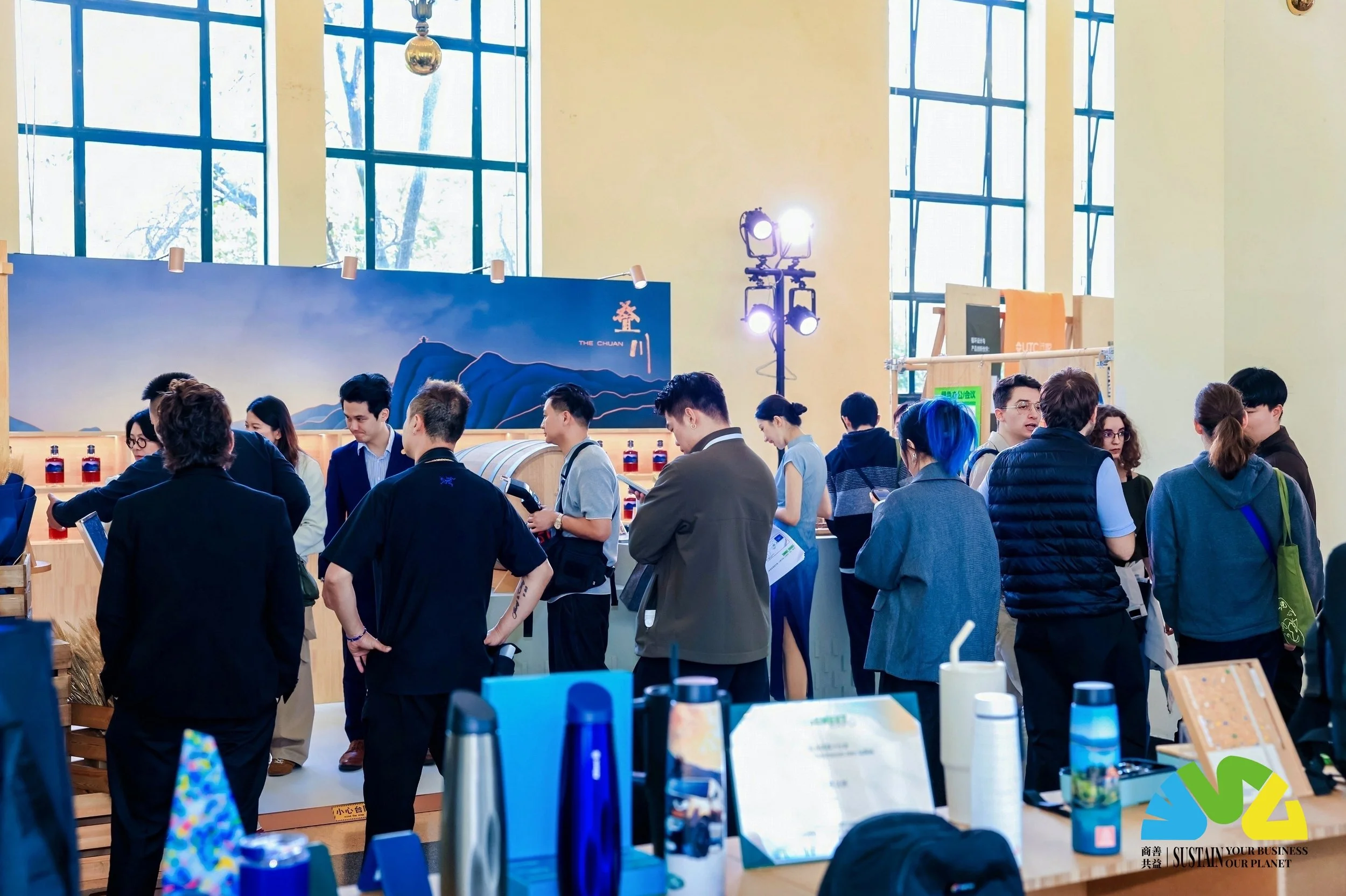
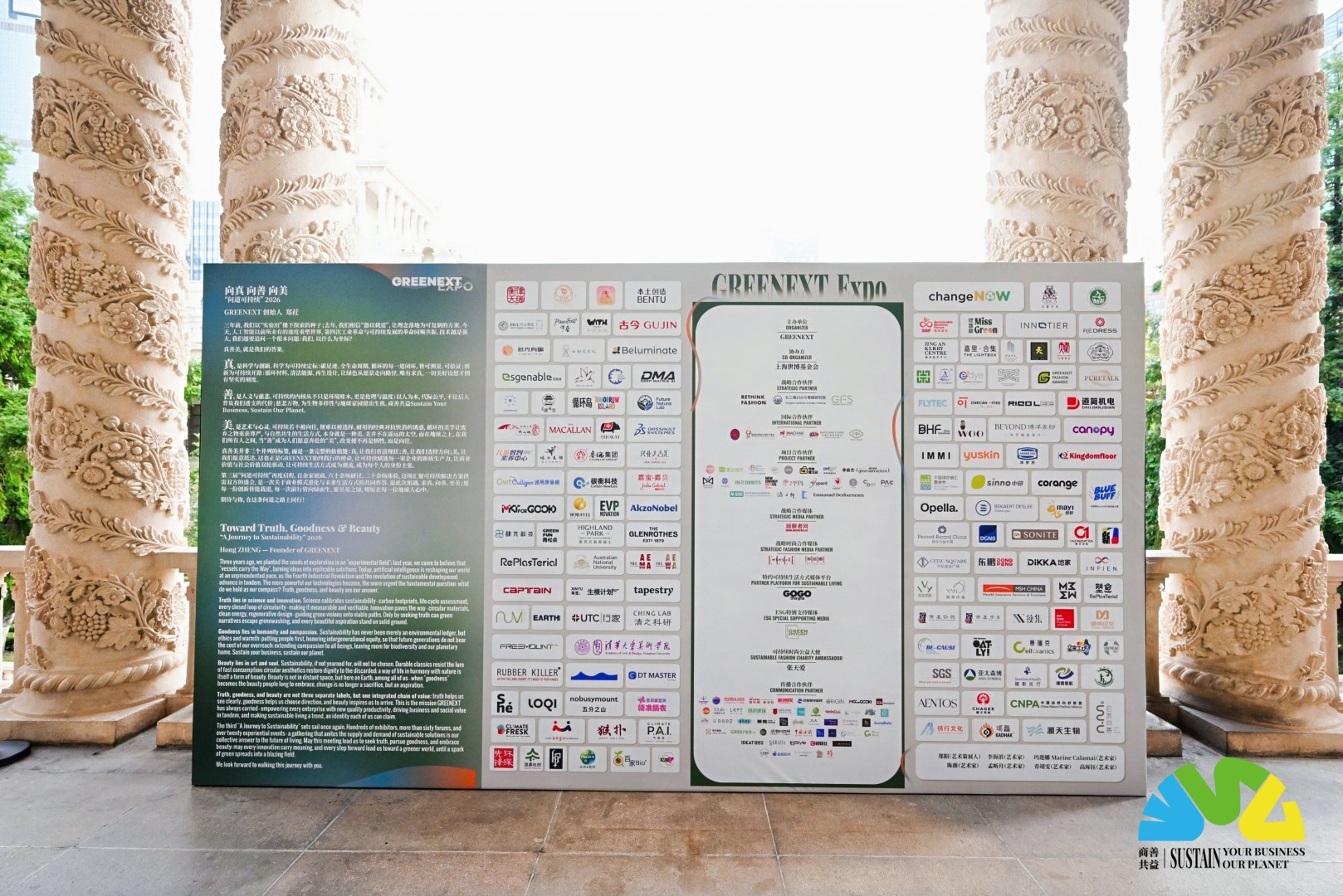
Five Thematic Zones Showcase Sustainability in Action
Guided by the interconnected dimensions of People, Nature and Industry, GREENEXT Expo 2026 presented a wide range of sustainability practices, spanning low-carbon technologies, ecological conservation, circular solutions, responsible consumption, health and wellbeing, and social innovation. Across the five thematic zones, exhibitors demonstrated how sustainability can be integrated into industrial development, business operations, and urban life.
The Net Zero Engine and Circular Economy zones highlighted technological innovation and resource efficiency as complementary drivers of the transition to a low-carbon economy. Companies including Dassault Systèmes, EVP NOVATION, General Water Technologies, Shanghai Bravowhale Information Technology Co., Ltd., CarbonNewture, Lanxiao Zhihang (Shanghai) Technology Co., Ltd., Shanghai Daojian Electromechanical Technology Co., Ltd., CellUranics, SYNLIFE and BE-CAUSE showcased green technologies and sustainable solutions. Other exhibitors, including Shanghai IVY Paper, corange, DIKKA, YAN61 Eco-friendly Gifting, RePlasTerial, Feimayi, in2orbits and Yuantian Biotech, explored material innovation, resource recovery and circular practices. Pernod Ricard China and UTC also demonstrated how sustainability can be integrated into corporate operations and industry practices.
The Nature Positive zone shifted the focus to biodiversity, ecological protection, and the relationship between people and nature. Participating organizations and initiatives included SEQUEL Communications, Greenverse, MAZE, Shanghai Jiao Tong University Center for Biodiversity by Design (Preparatory), The Nature Conservancy (TNC),China Green Carbon Foundation, and Pioneer Environmental Service Center. Their work highlighted approaches to green development, ecosystem conservation, and the sustainable use of natural resources.
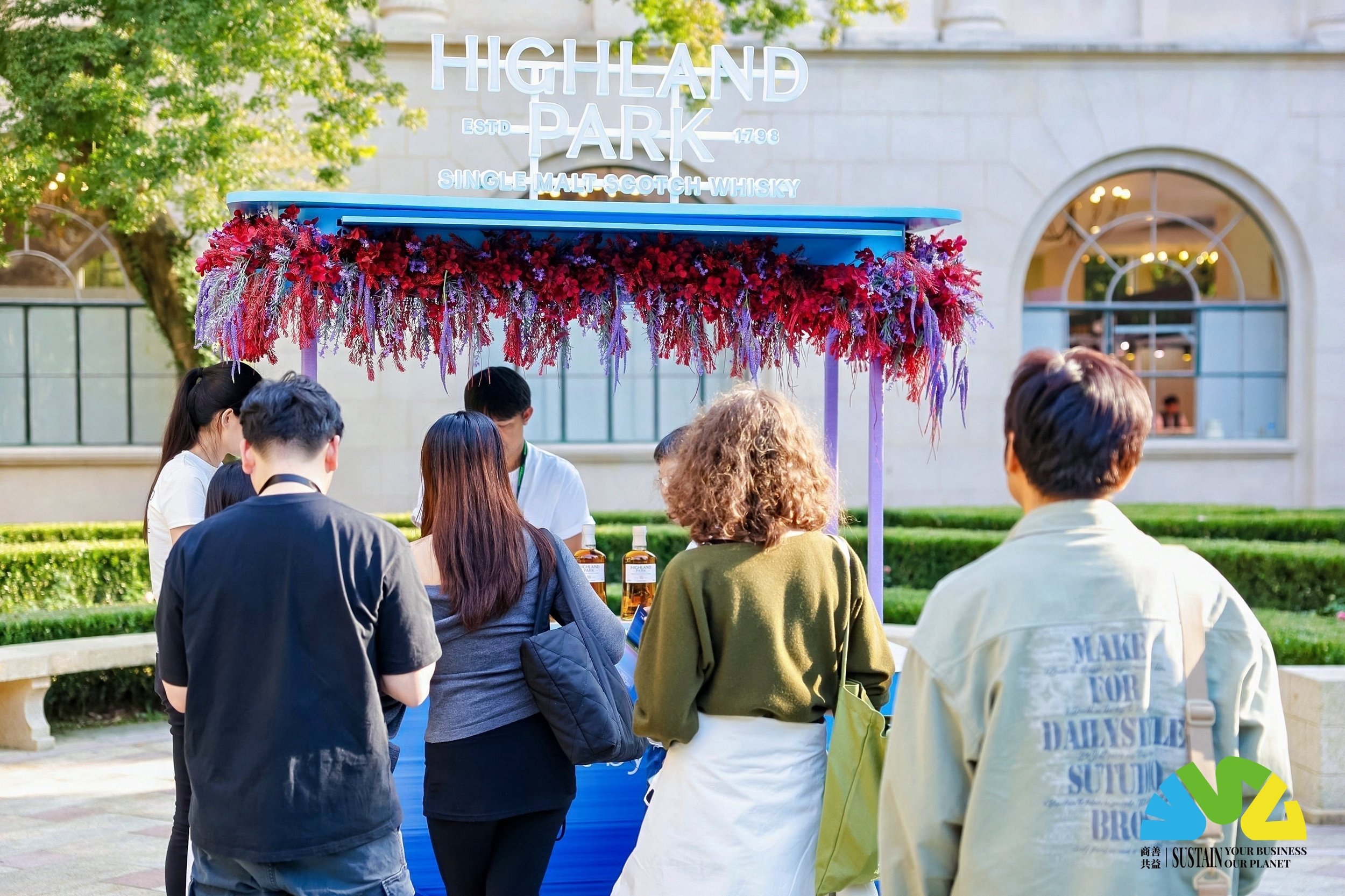
The Conscious Living zone explored how sustainability can shape consumer choices, quality of life, and personal wellbeing. Participants included HKRI Taikoo Hui, Hearst Group, Chunlun Group, The Macallan, The Highland Park, The Glenrothes, Simmons®, Yuskin, Sinno Cosmetic Group, Fragonard, ONE1NNOVAT1ON, Nuvi, PURETALK, SinoUnited Health, MSH CHINA Enterprise Services Co., Ltd., and MKTforGOOD. Together, they represented diverse areas including retail, home living, beauty, healthcare, and lifestyle, demonstrating opportunities to integrate sustainability into products, everyday consumption, and health management.
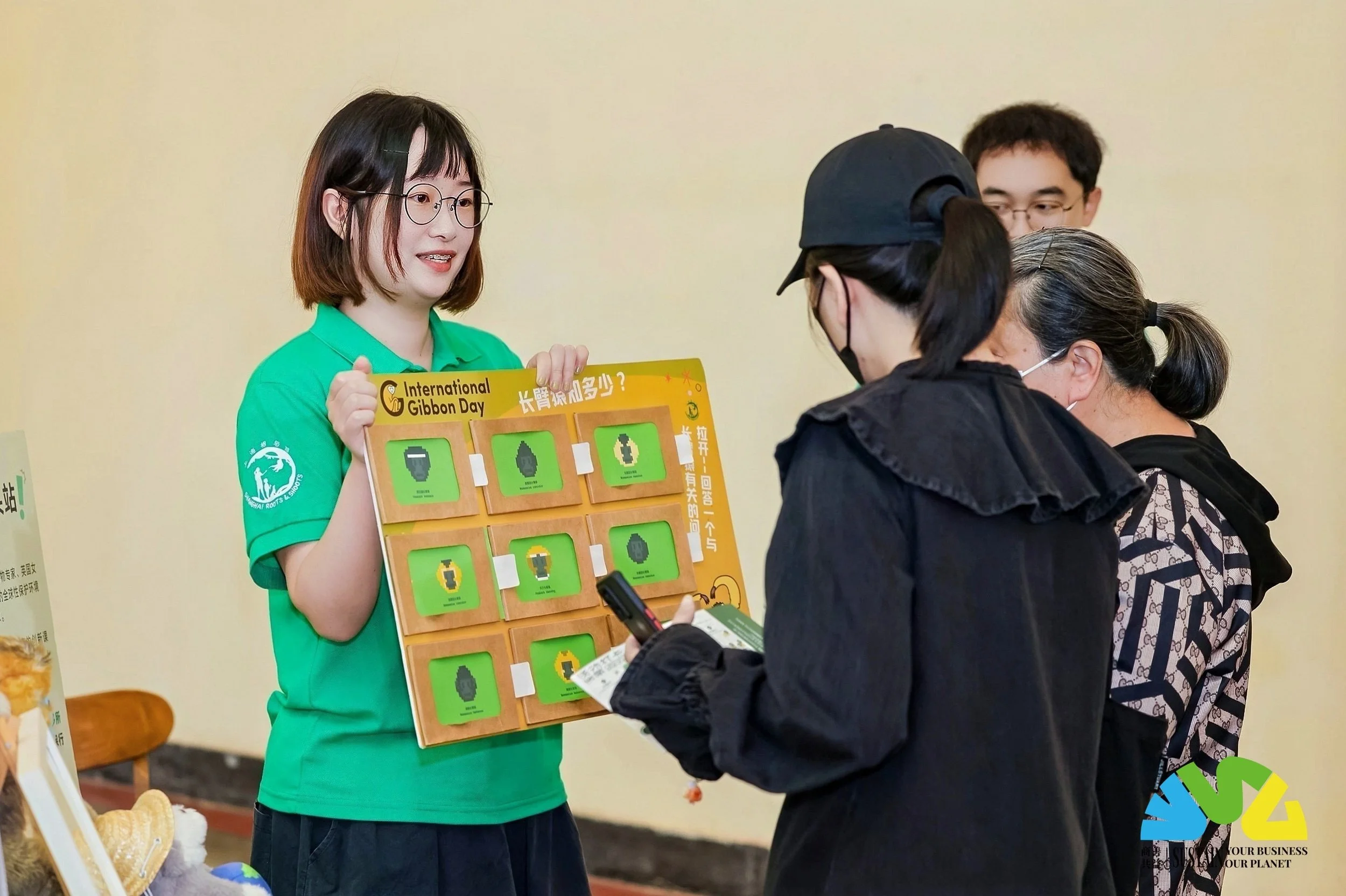
The Business for Good zone highlighted social value creation and public participation. Organizations and initiatives included Shanghai Songding Social Innovation Center, Tongji International Organization Research Institute of Environment for Sustainable Development, Shanghai Roots & Shoots, and NOVA CRAFT. Through social innovation, public-interest initiatives, and cross-sector collaboration, they explored how businesses and social organizations can work together to advance sustainable development.
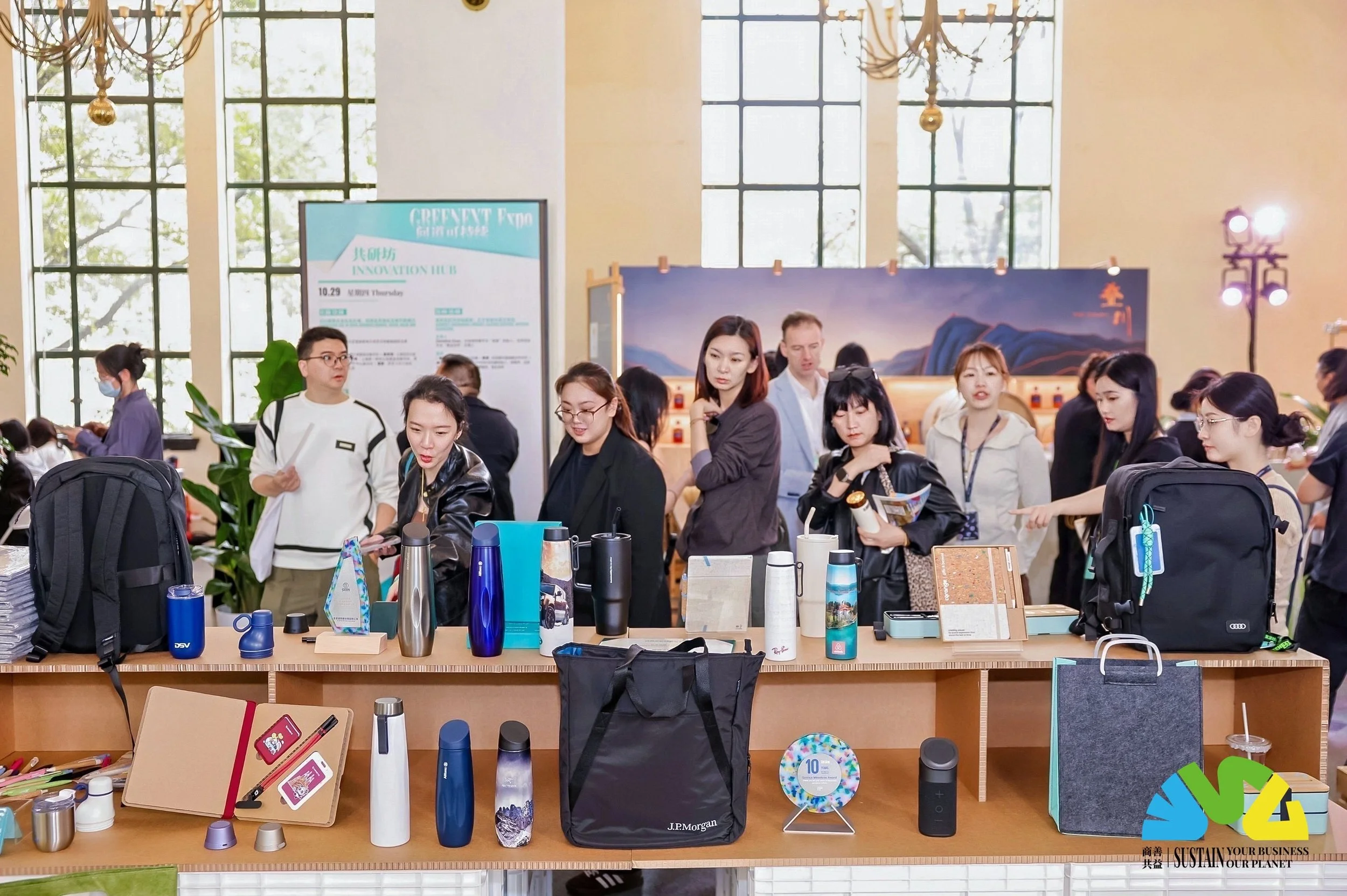
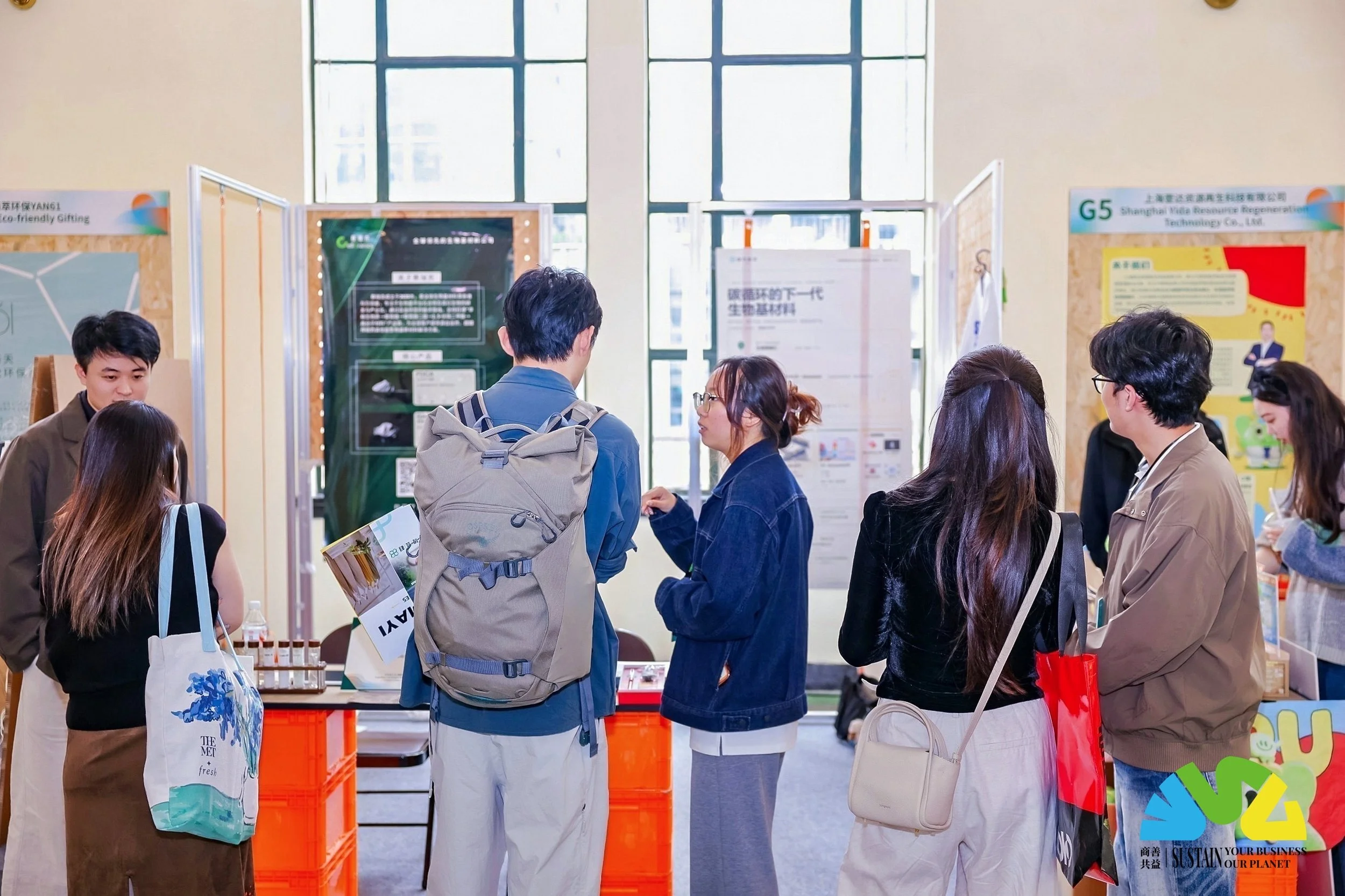
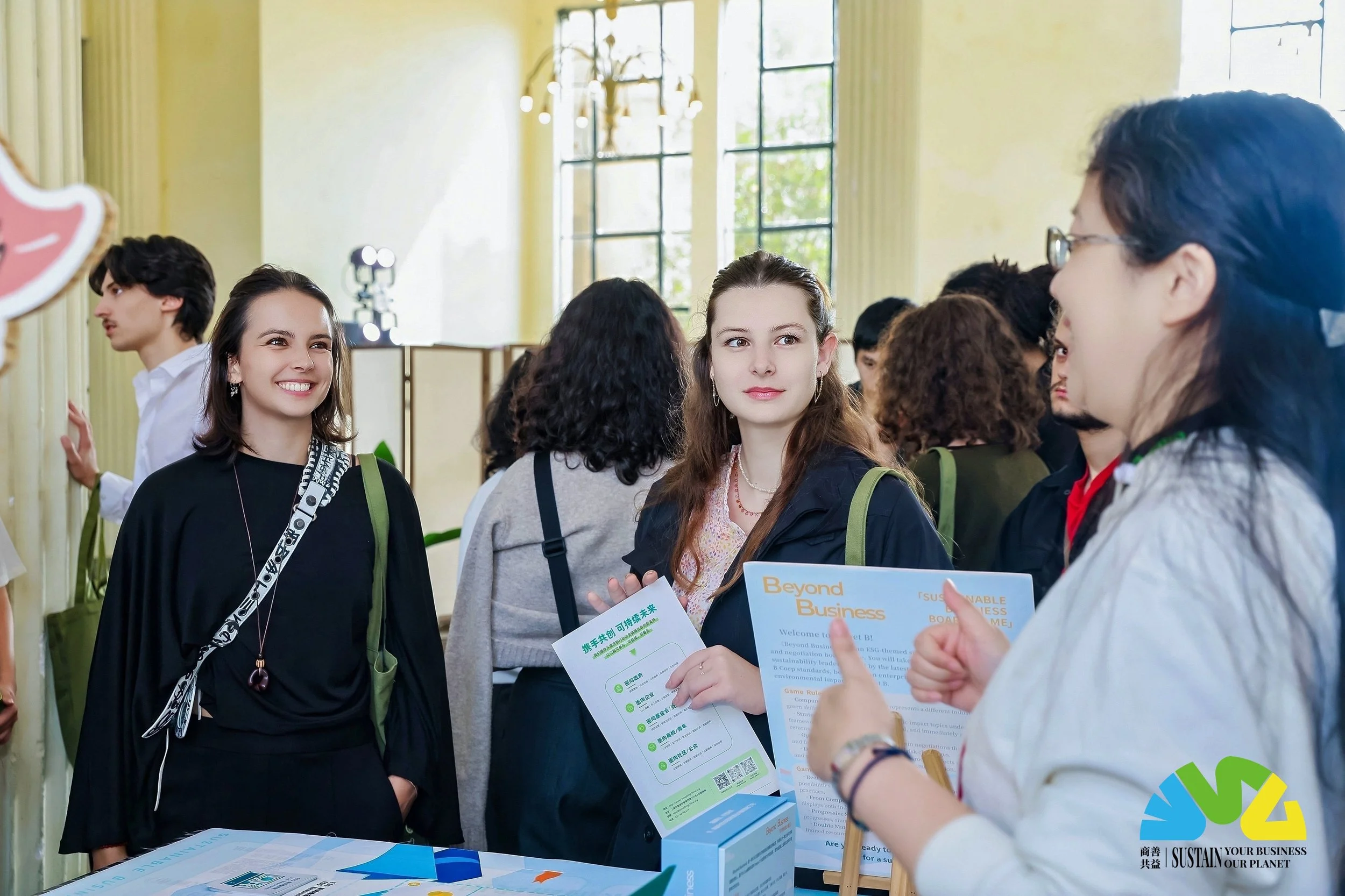
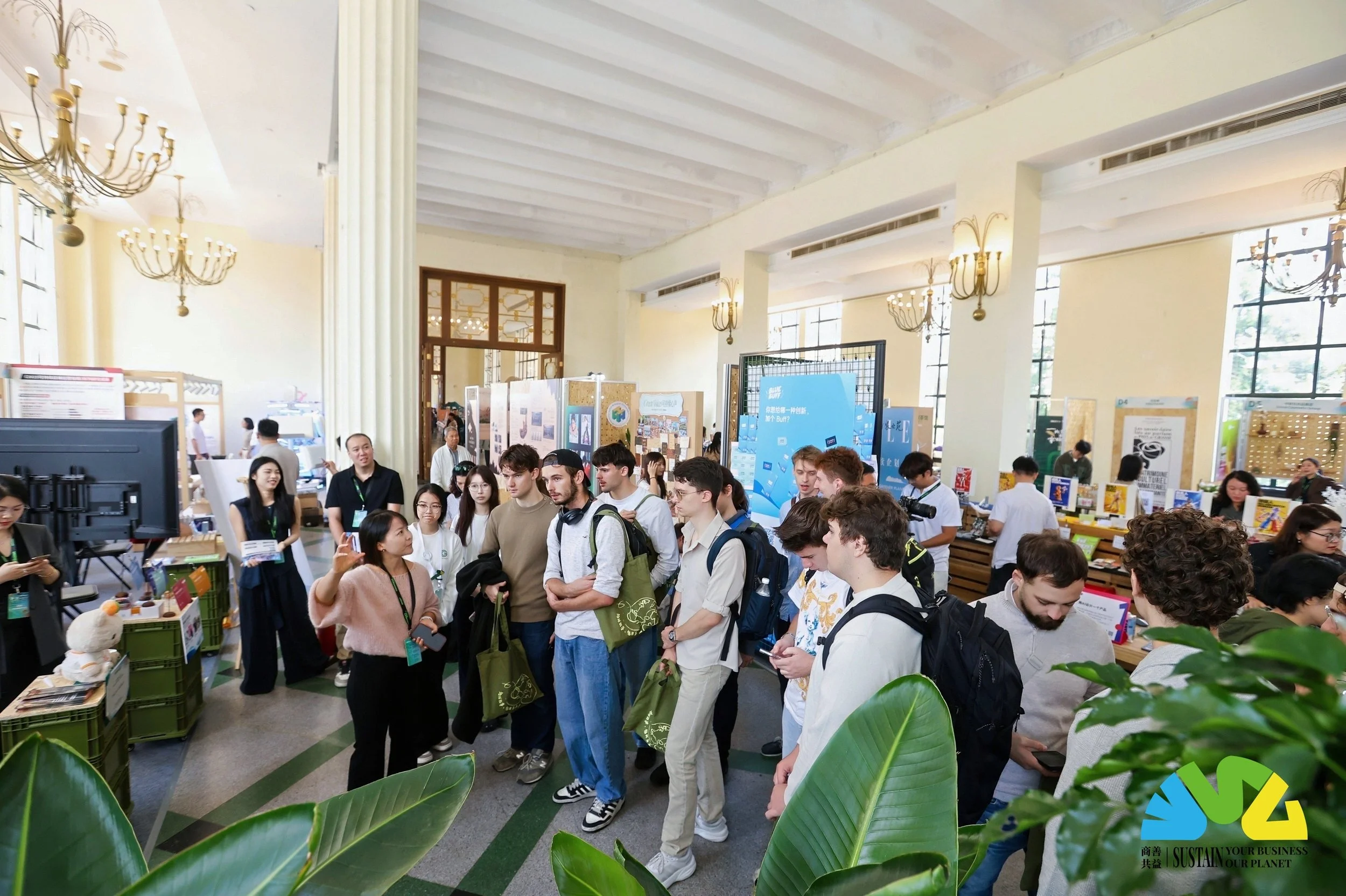
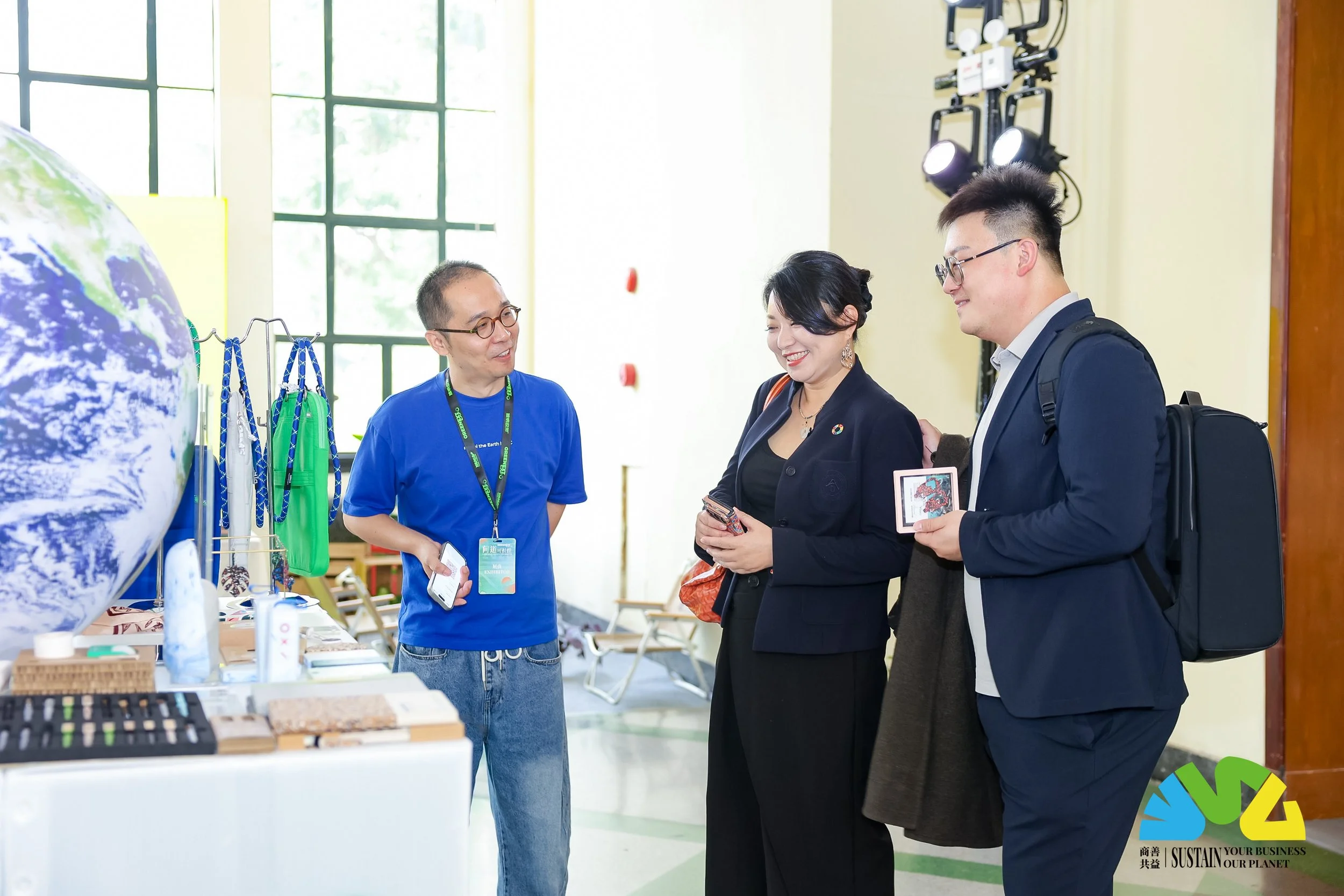
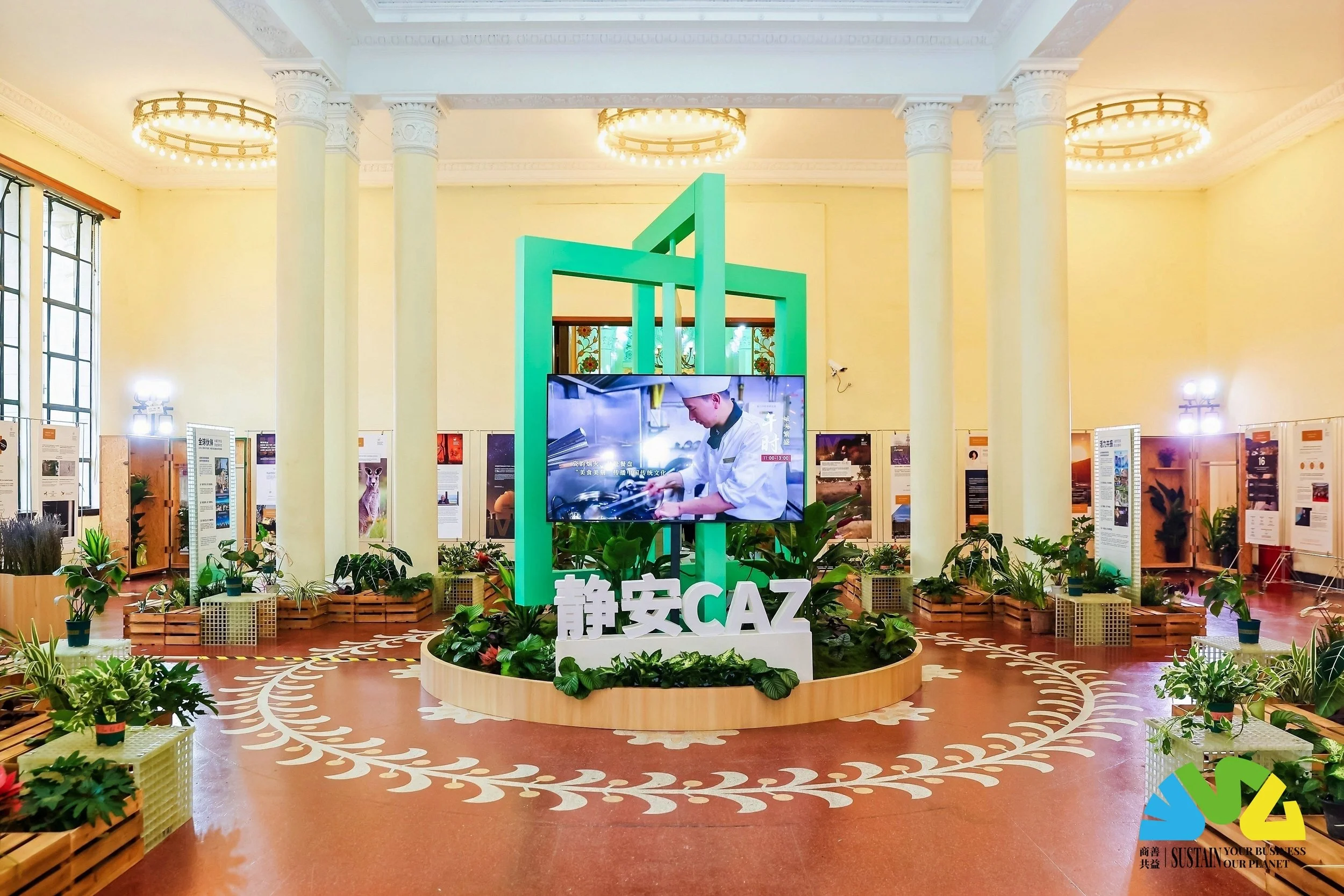
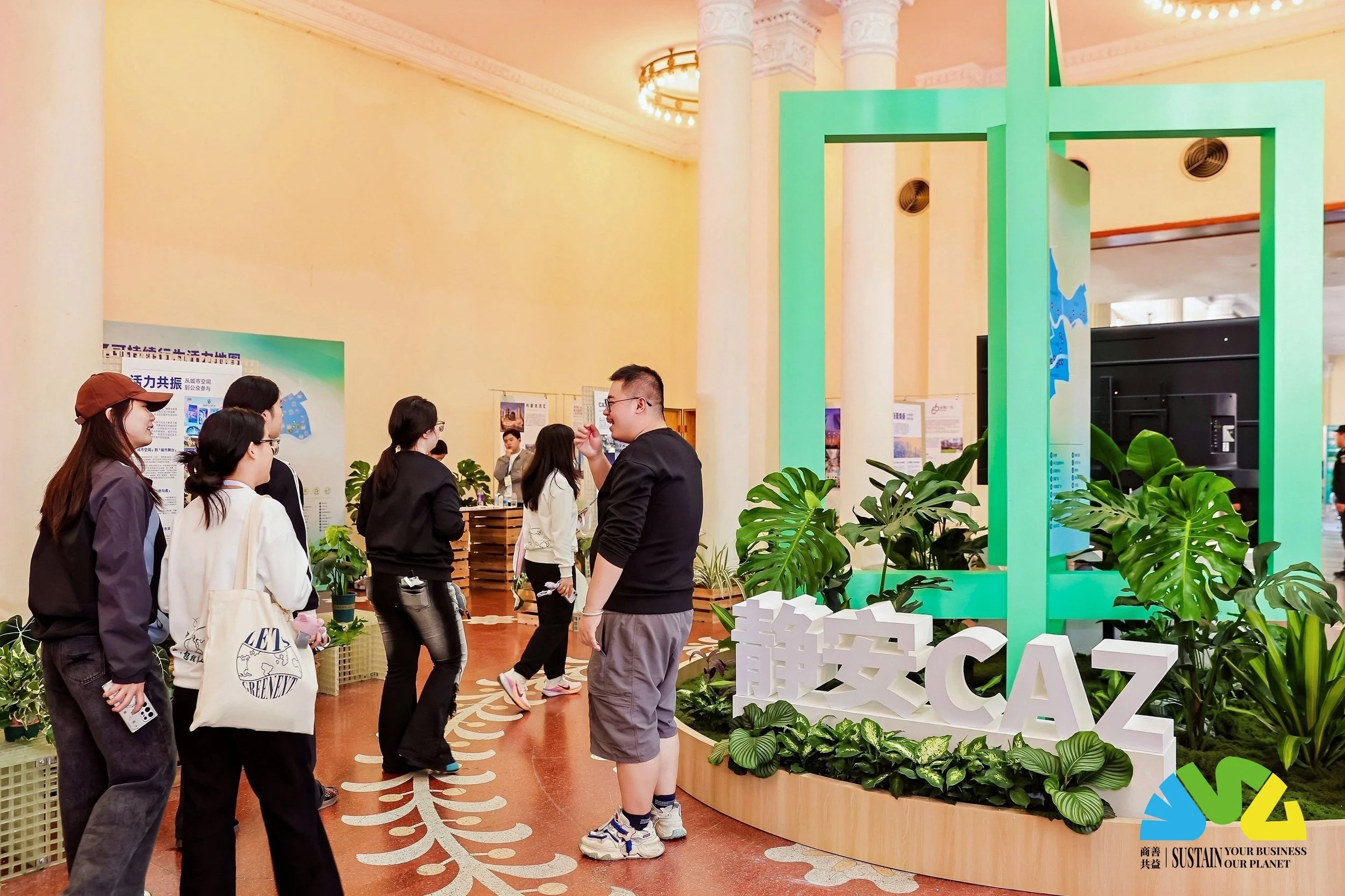
Beyond the five thematic zones, a dedicated showcase for the West Nanjing Road–Suhe Bay Central Activity Zone (CAZ) brought sustainability into the urban environment. Drawing on Jing’an District's commercial, cultural and public-space resources, as well as its international connections, the showcase explored urban development towards 2030 through five areas: revitalizing urban spaces, fashion-led commerce, vibrant communities, future experiences and global partnerships. Participants included Plaza 66, Jing An Kerry Centre, The Lightbox, HKRI Taikoo Hui, Park Avenue Central Shopping Center (PAC), CITIC Pacific Plaza, IMMI, AkzoNobel, Opella and the Australian National University. Through perspectives spanning commercial spaces, green innovation, education and research, and healthy living, the showcase demonstrated how sustainability can contribute to urban regeneration and the evolution of city life.
Four special initiatives — Future Shapers, International Corner, Fashion Forward and Urban Renewal — complemented the main exhibition, creating additional opportunities to connect emerging talent, international collaboration and industry practice. The Future Shapers Innovation Initiative attracted more than 100 applications from young innovators and sustainability projects worldwide. Applicants represented Africa, Asia, Europe and Latin America, including China, Singapore, France, the United States, Uganda, Nigeria, Malaysia, Türkiye and Mexico. The initiative highlighted the diversity of youth-led solutions and the growing international interest in sustainability innovation with commercial potential and social impact. The International Corner initiative brought together participants associated with the Royal Thai Consulate-General, the Benelux Chamber of Commerce, the China–Indonesia Chamber of Commerce, the Shanghai Office of the China–Malaysia Chamber of Commerce and the Hong Kong Civic Association, among others. The initiative fostered exchange between international innovation networks and local industry.
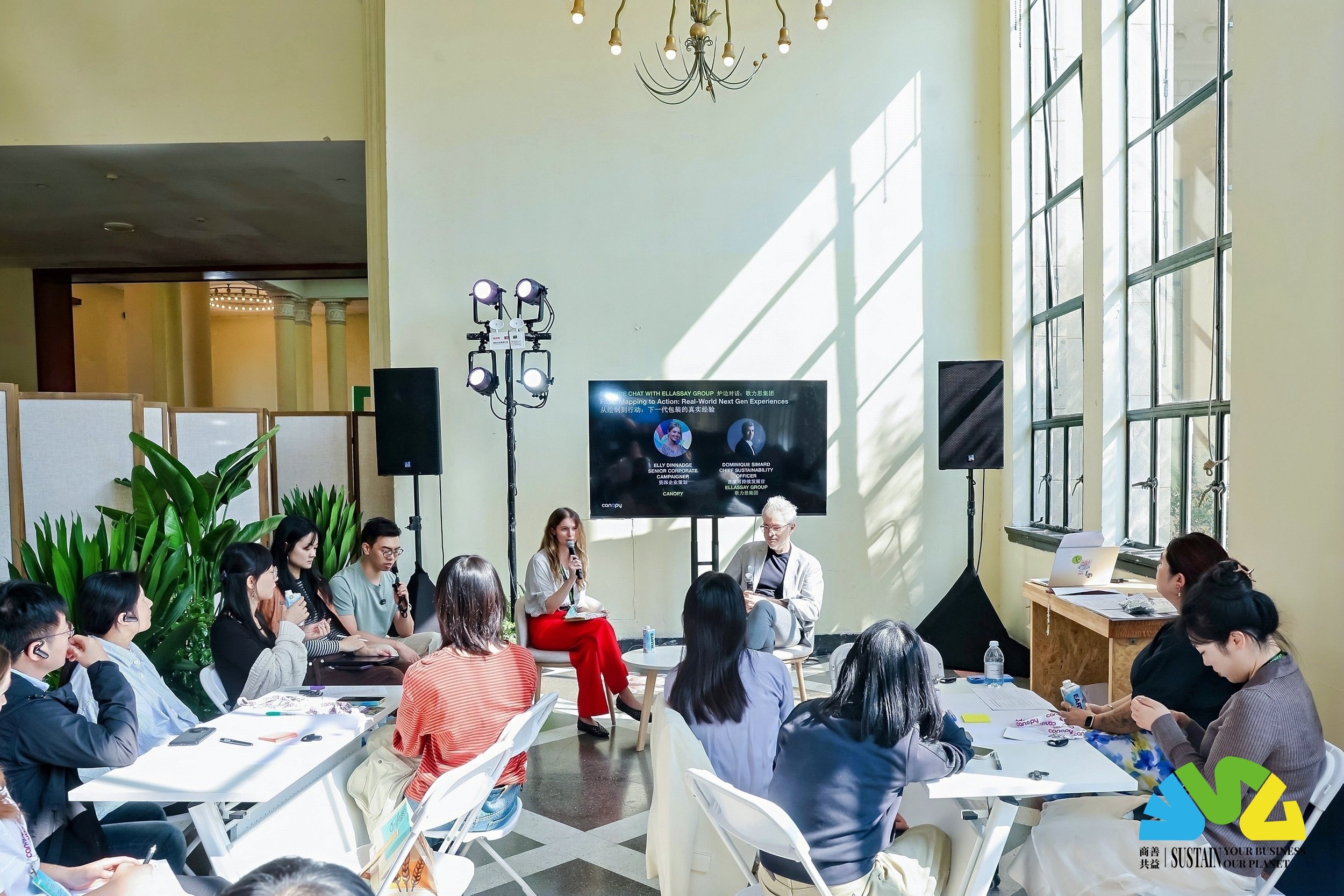
Focused on value-chain transformation, Fashion Forward explored product innovation, decarbonization, circularity, supply-chain optimization, and transparency. Shanghai Captain Industries Co., Ltd., SHOKAY, the Academy of Arts & Design at Tsinghua University, Rooted Plan, and Canopy were among the participating organizations contributing perspectives on more sustainable pathways for the fashion industry. The Urban Renewal initiative focused on energy-efficient buildings, circular resource use, and the improvement of public spaces. Participants included Jingtong, the German Sustainable Building Council (DGNB), DONGPENG | East China Operations Center (Shanghai), GREEN FUN, and Emlyon Business School, demonstrating how sustainability principles can be applied to architecture, commercial spaces, and urban development.
Industry Leaders Convene to Advance Sustainability Through Dialogue
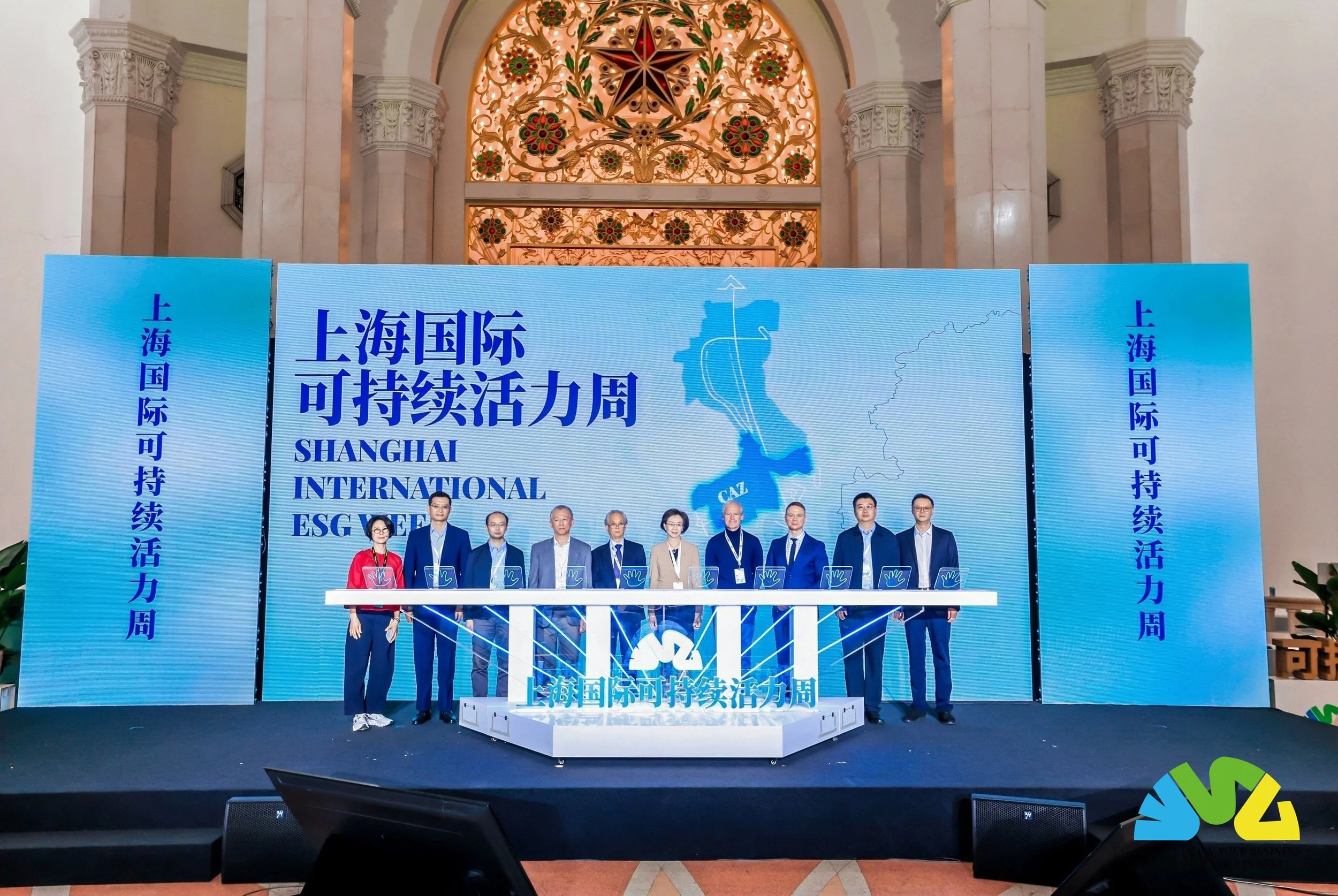
On 29 October, the opening ceremony and the Summit of Shanghai International ESG Week took place at the Shanghai Exhibition Center. Under the theme of People-Centered Cities, Technological Innovation, Green Development and International Cooperation, the summit brought together representatives from international organizations, government departments, businesses and professional institutions to discuss sustainable development and the future of cities.
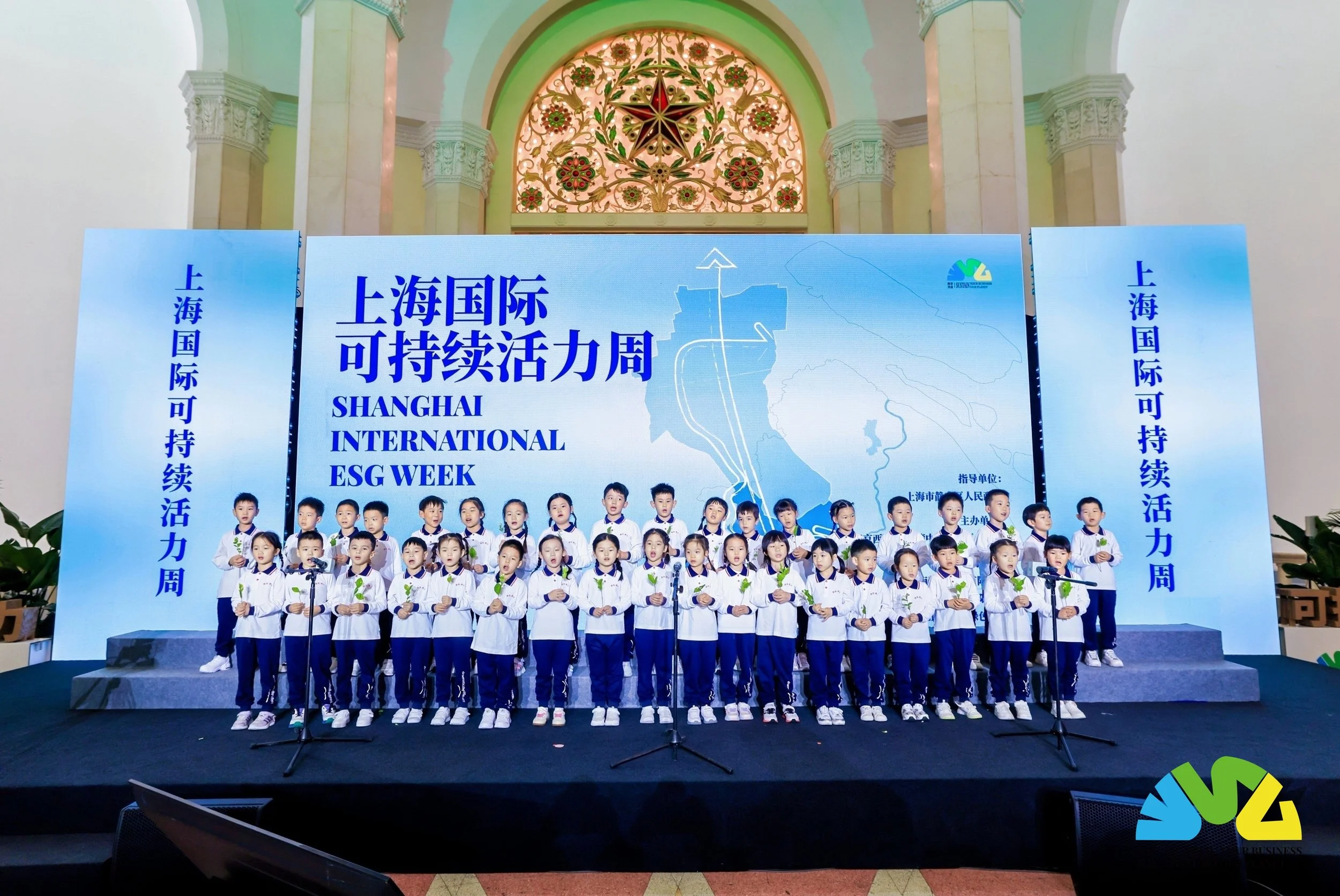
The opening ceremony began with children from Jiabao Kindergarten performing Jasmine Flower and presenting bouquets of jasmine flowers sourced from Chunlun Group’s plantation in Yongtai, Fuzhou. The flowers connected intangible cultural heritage, rural revitalization and sustainability, expressing a shared aspiration for greener cities and a better future. The summit then explored four key dimensions — urban excellence, resilience, quality of life and innovation — examining practical approaches to urban regeneration, zero-carbon development, climate adaptation and technological innovation.
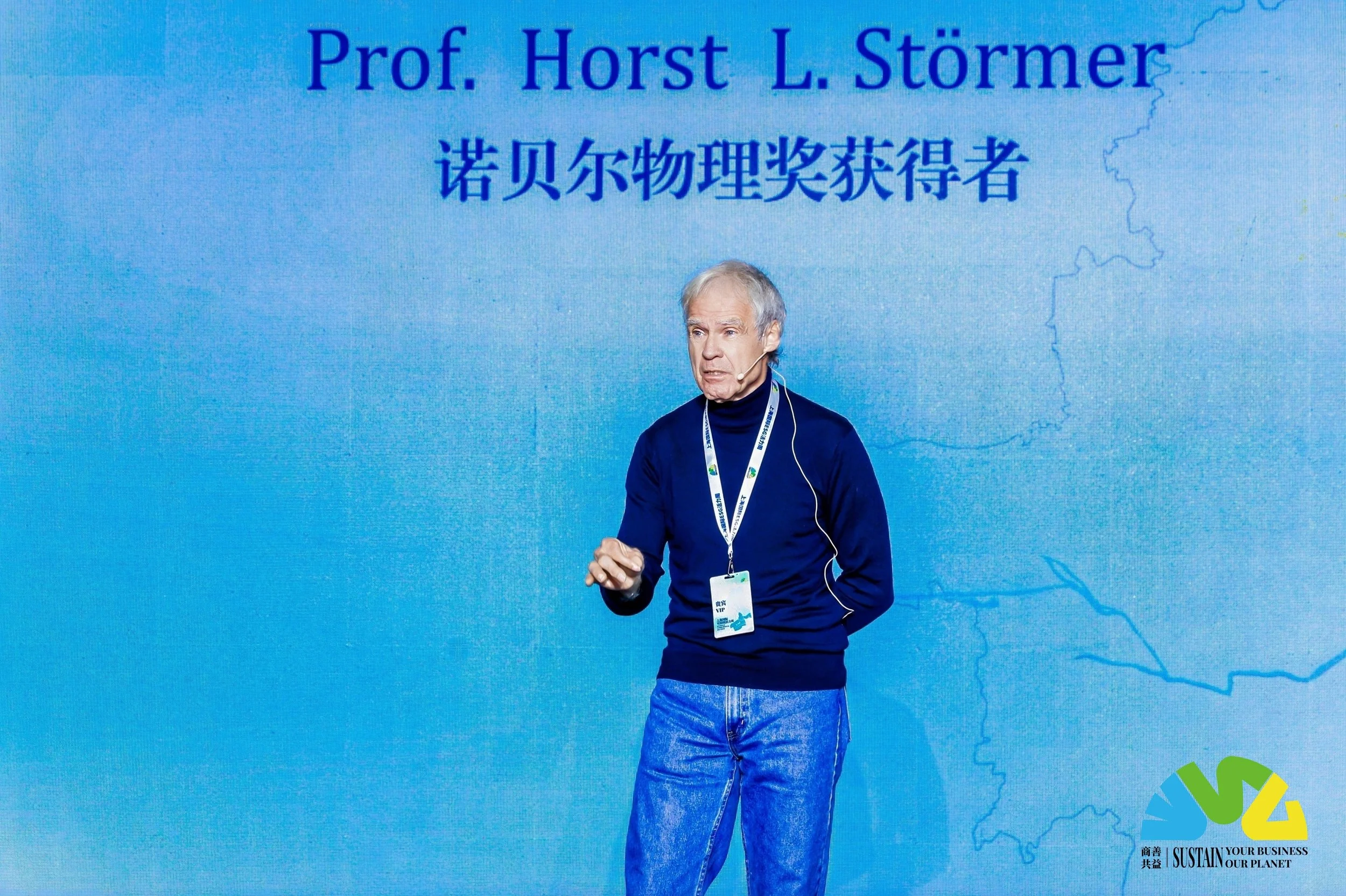
Among the distinguished guests attending the summit were Mr. Zhou Yiping, former Director of the United Nations Office for South-South Cooperation and former Special Envoy of the UN Secretary-General for South-South Cooperation; Ms. Ma Rong, former Deputy Director-General of the Department of Resource Conservation and Environmental Protection at the National Development and Reform Commission of China, and Chair of the Expert Committee of the International Green Economy Association; Mr. Wang Sizheng, President of the Shanghai Macroeconomic Society, expert advisor on major administrative decision-making of the Shanghai Municipal People’s Government, and former Deputy Director and First-Class Inspector of the Shanghai Municipal Development and Reform Commission; Dr. Lin Hui, Chair of the Green Trade Promotion Committee of the China Environmental Protection Federation and former Chairman of the Shanghai Environment and Energy Exchange; Mr. Pascal Buffin, Consul General of Belgium in Shanghai; and Professor Horst L. Störmer, Nobel Laureate in Physics. Through keynote speeches and opening remarks, the guests shared perspectives on green development and international cooperation.
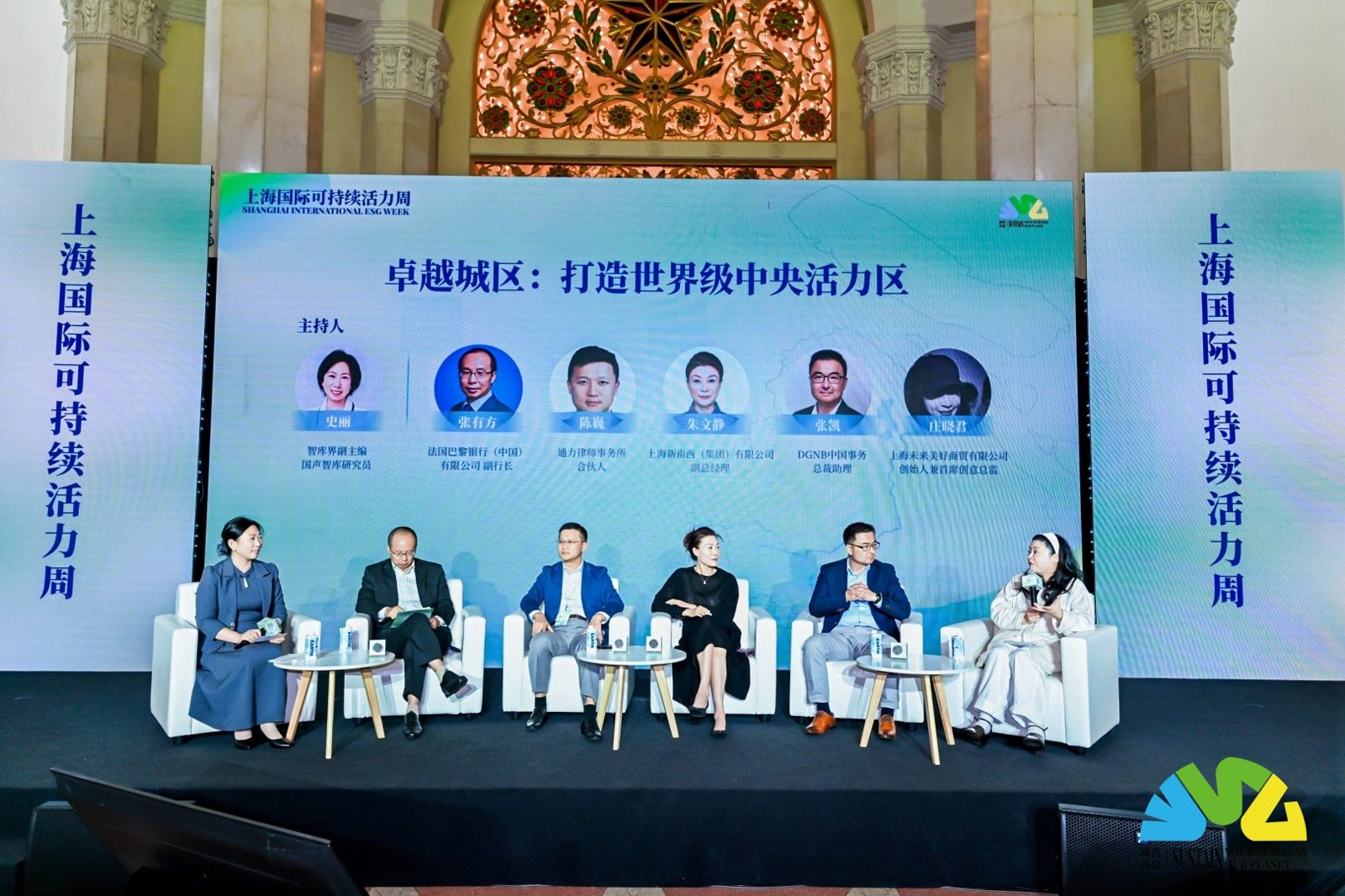
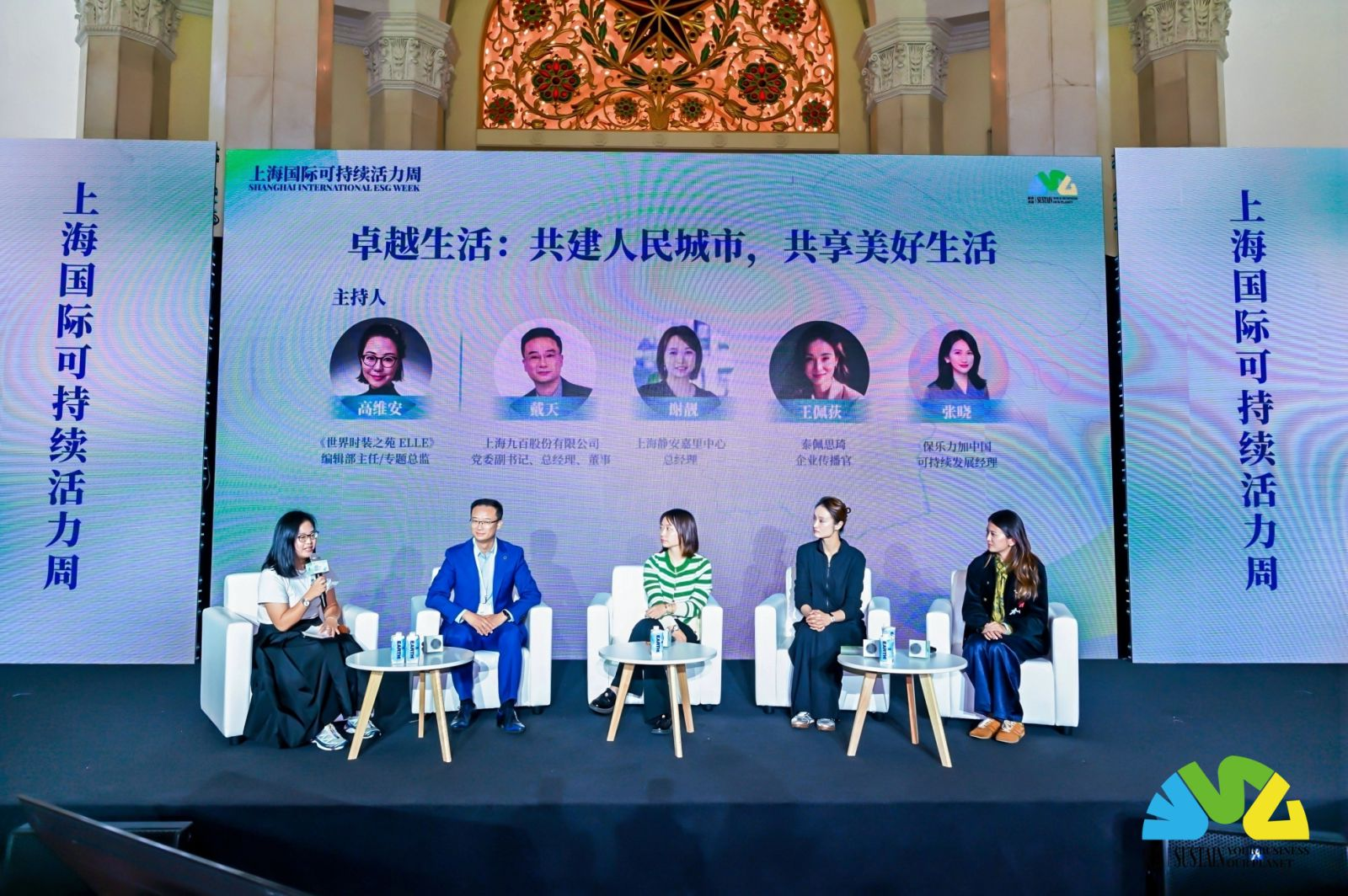
Ludovic Weber, CEO of Saint-Gobain Asia-Pacific, and Connie Ting, Joint General Manager of HKRI Taikoo Hui, also shared insights from their respective experiences in sustainable building and commercial space operations, highlighting approaches to sustainability-driven transformation. The summit then continued with discussions across four key themes—Urban Excellence, Urban Resilience, Quality of Life and Innovation—exploring practical pathways for urban regeneration, zero-carbon development, climate adaptation and technological innovation.
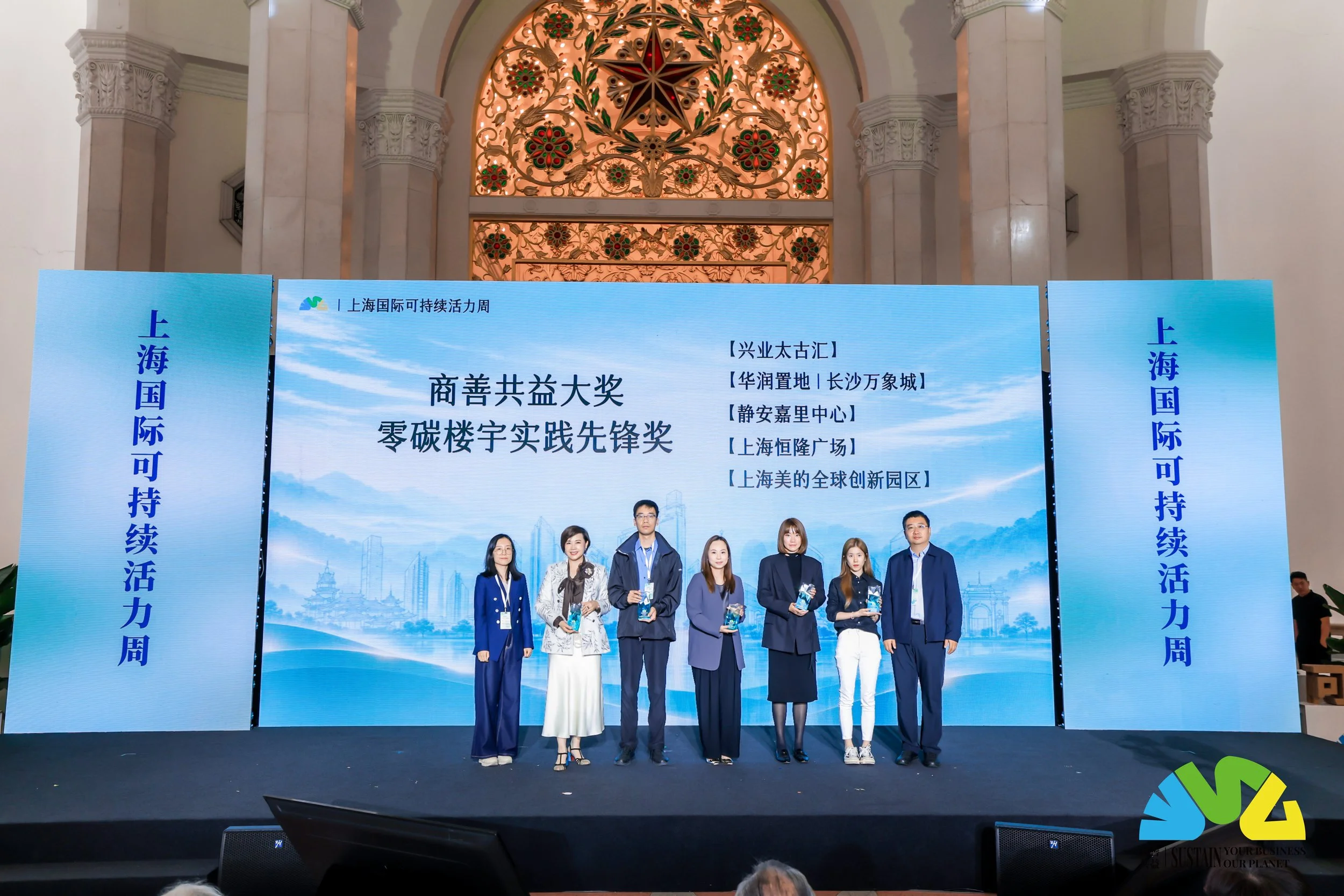
The inaugural Business for Good Awards ceremony, held as part of the opening program, recognized projects and initiatives demonstrating practical value and exemplary impact across several areas, including zero-carbon building practices, green commercial space innovation, building decarbonization technologies, building ecosystem collaboration, corporate responsibility, and green growth. The awards aim to promote the sharing and wider adoption of proven sustainability practices. The event also saw the launch of two collaborative initiatives: the Green Going Global Service Platform and the Global CSO Club. By bringing together professional ESG resources, the two initiatives aim to establish a collaborative network for knowledge exchange, resource sharing, and cooperation across the sustainability sector.
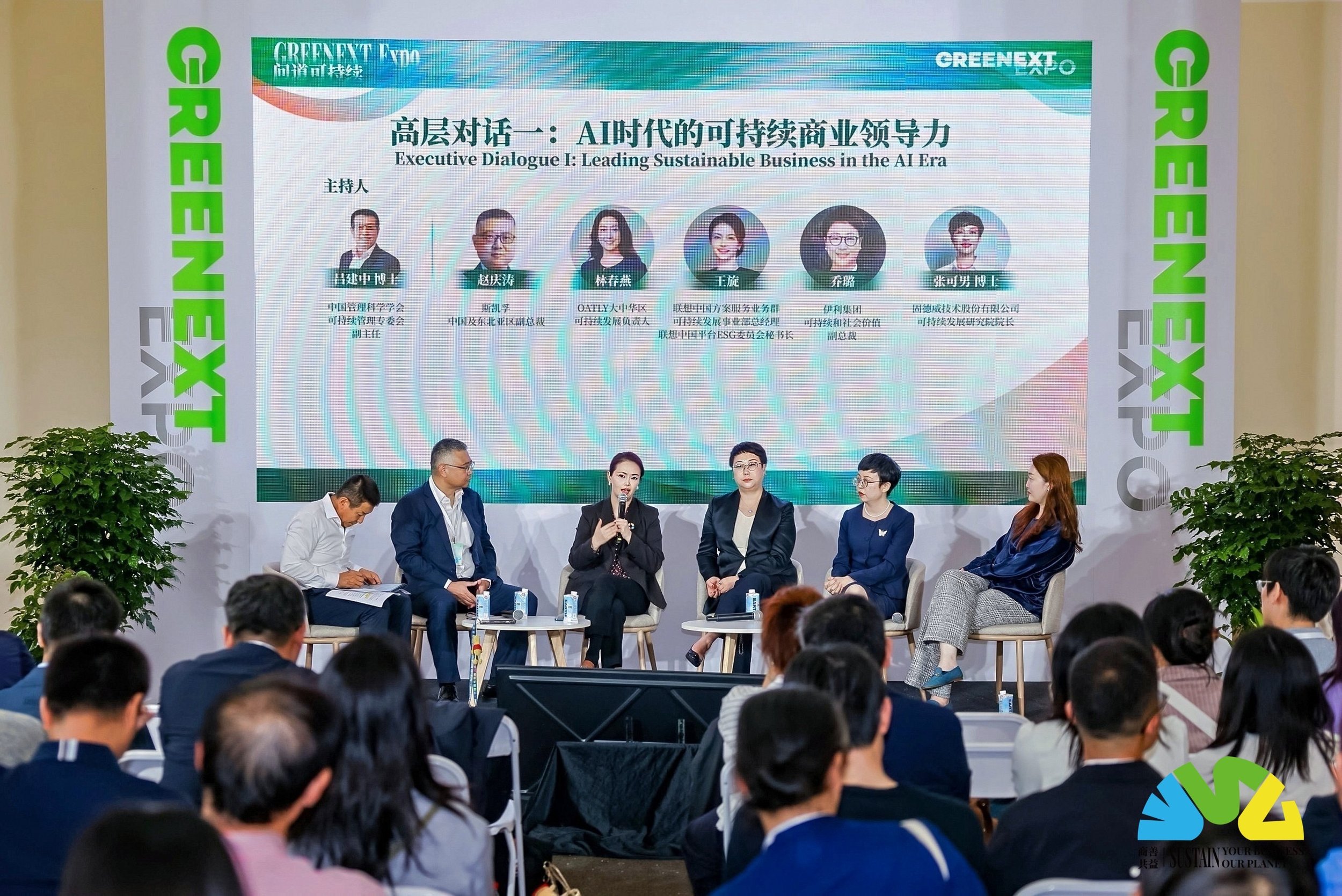
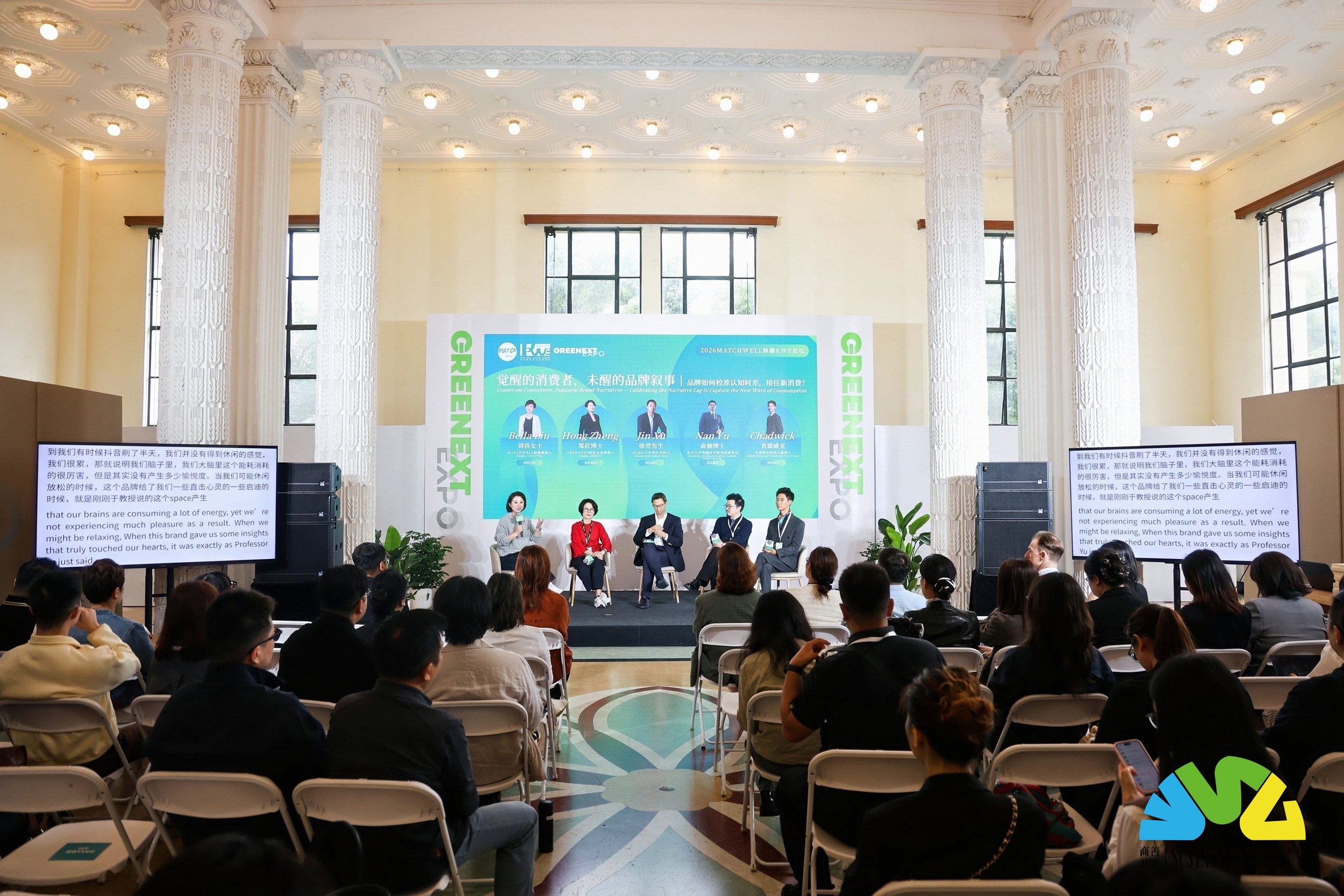
From 29 to 30 October, the Hall of Voyage, the Hall of Dao, Innovation Hub, and Co-creation Hub hosted keynote speeches, roundtables, thematic discussions, and project pitches. Approximately 210 speakers and guests from businesses, universities and research institutions, investment organizations, industry associations and public-interest organizations participated in the programme. Contributors included representatives from Lenovo, Yili, Mengniu, Sinopharm Group, Shanghai Research Institute of Building Sciences, Shanghai Environment and Energy Exchange, SKF, China Gas, FORVIA, Kingsoft Office, BNP Paribas, iFLYTEK, H World Group, SGS, Tapestry, Chagee, Asia Elite Mothers Association, Asia Elite Women Association, Maze CSR Consulting, and the International Spirits and Wines Association of China, among others. Discussions addressed agricultural and food systems, Nature Positive solutions, international market expansion, circular economy, ESG governance, sustainable consumption, green technology, urban regeneration, women's leadership, and sustainability education.
The forums addressed practical challenges and emerging opportunities across industries. The China–Europe Green Technology and Innovation Forum examined sustainable business leadership in the age of AI, green technologies, renewable energy and sustainable computing. Sessions on international expansion and trade explored the EU’s sustainable product regulations, ESG compliance, supply-chain risk management and brand value, helping businesses navigate evolving international requirements and strengthen their sustainability competitiveness. Further discussions on the circular economy, biodiversity, sustainable buildings, and the transformation of textile and apparel value chains connected specialist knowledge with industry needs and innovative resources.
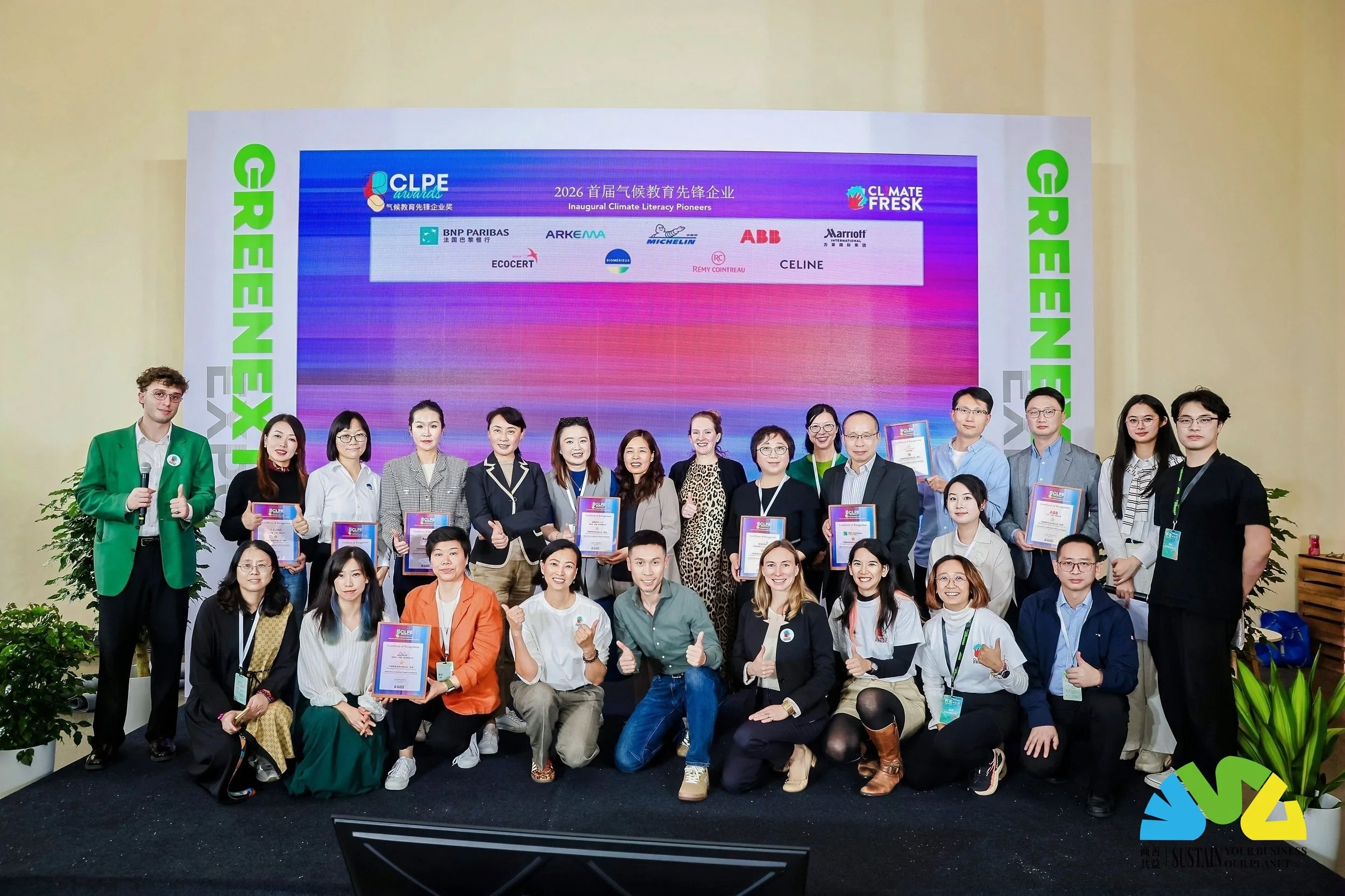
The programme also featured a series of awards, initiative launches and project presentations. Highlights included the 2026 KWE AWARDS, the 2026 GO NATURE Sustainability Awards Ceremony, the Climate Literacy Pioneer Enterprise Awards, and the Business for Good Awards Ceremony, which included the Circular Economy Business Innovation Award of the Year. Several initiatives and projects were also launched or unveiled during the event, including the 1,000 Enterprises, 100 Universities: Sustainable Impact Initiative, the Guancha.cn 2026 Sustainable Development Role Model Enterprises List, and the Sustainable Fashion Valley project. The SDG Start-Up Hub hosted its launch ceremony and project pitches. Other highlights included the DGNB Certification System: Co-Creating Future-Proof, Low-Carbon Urban Regeneration and the Global CSO Club Launch Ceremony, creating further opportunities for sustainability innovation, industry collaboration and cross-sector engagement.
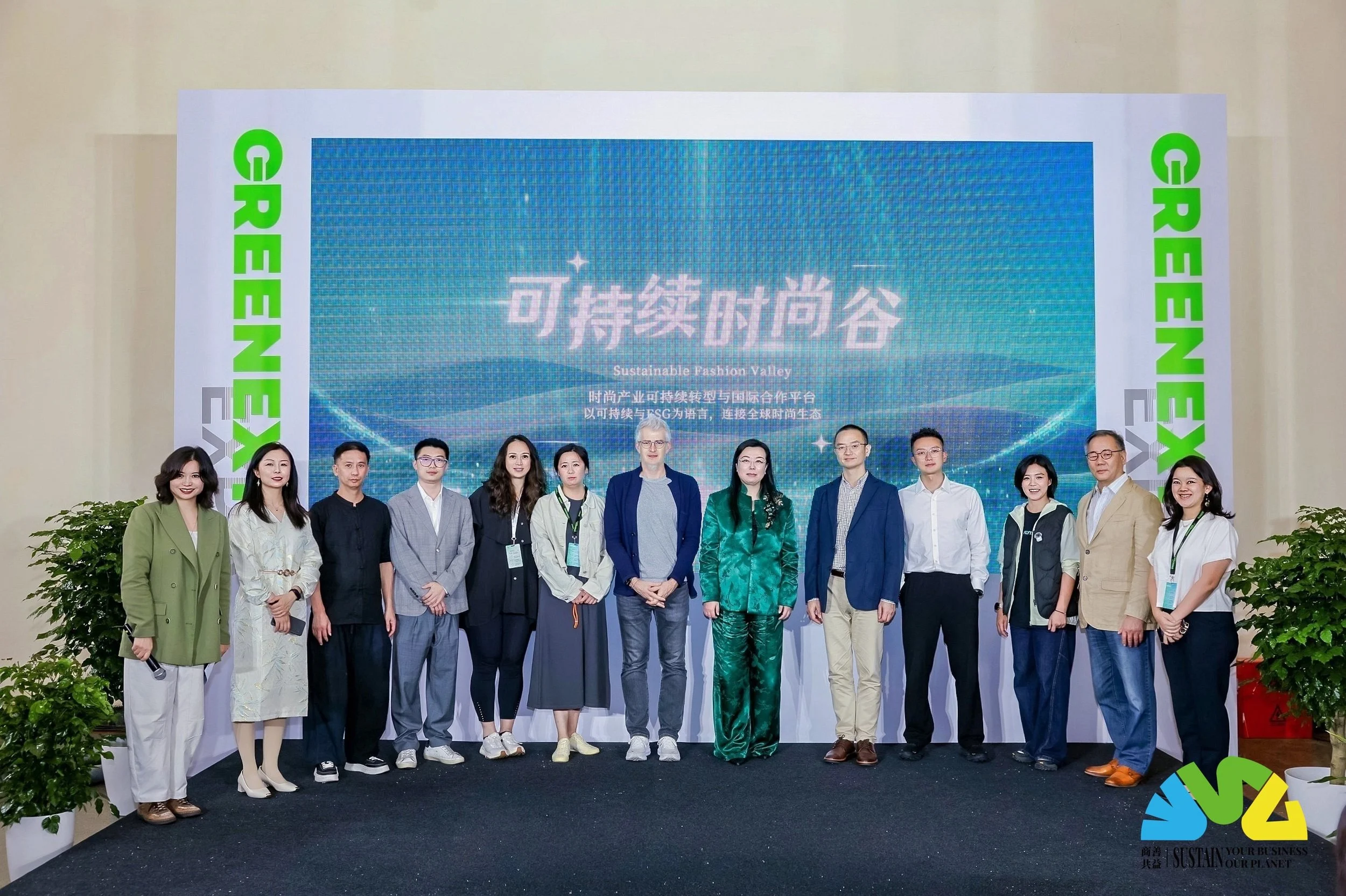
Bringing Sustainability to Life Through Diverse Public Engagements Across the City
Alongside professional exhibitions and industry dialogue, GREENEXT Expo 2026 invited visitors to engage with sustainability through interactive challenges, check-in activities, workshops, and public-interest initiatives. These experiences brought sustainability beyond professional discussions and into everyday life.
Activities focused on circularity and greener lifestyles included climate-action card games by YAN61 and recycled-material experiences presented by UTC and Kingdomfloor. Chagee, in collaboration with Asia Symbol, introduced its Tea Leaf Renewal, Zero-Waste Initiative, exploring ways to reuse tea residues and apply environmentally friendly paper.
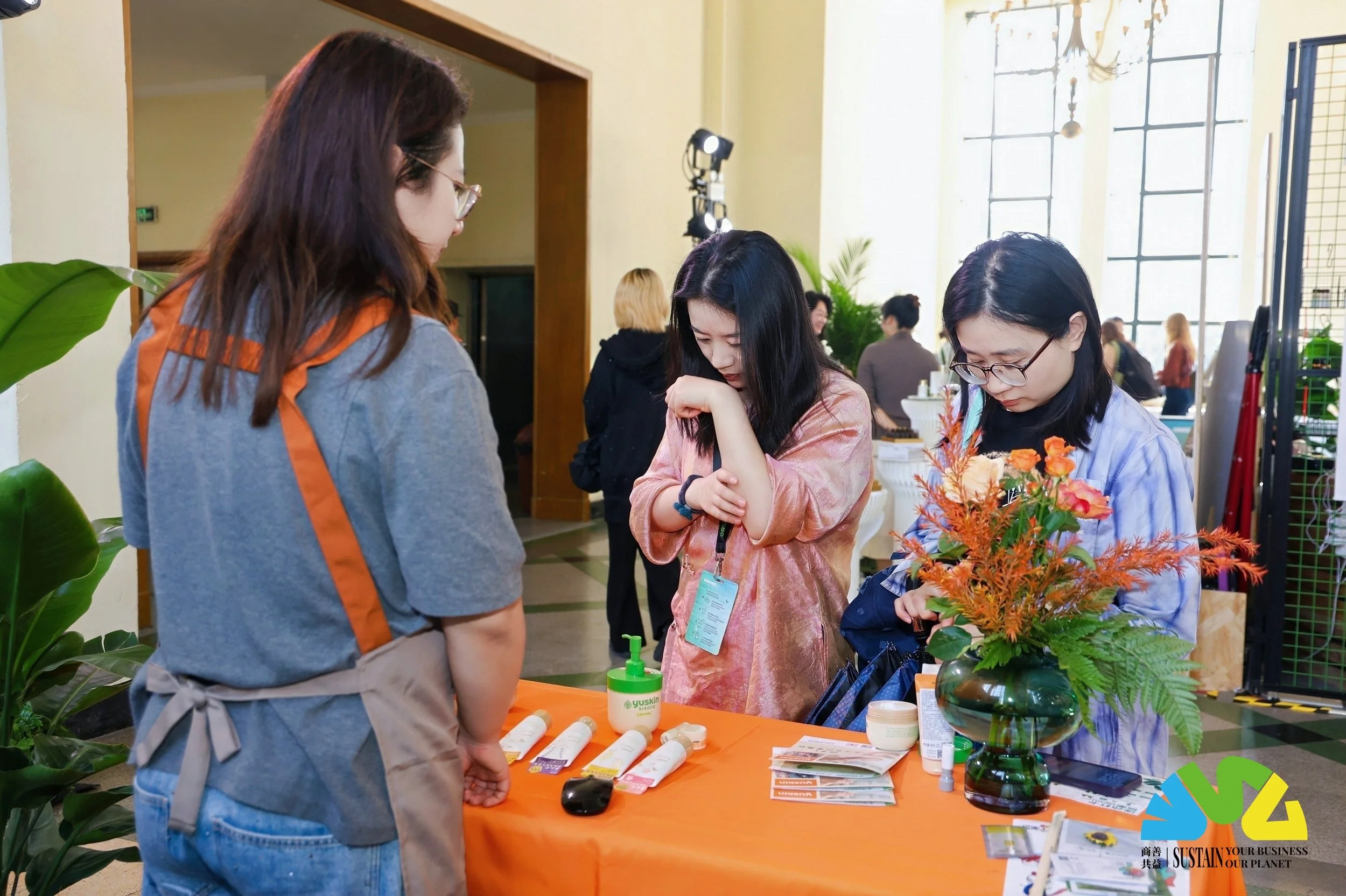
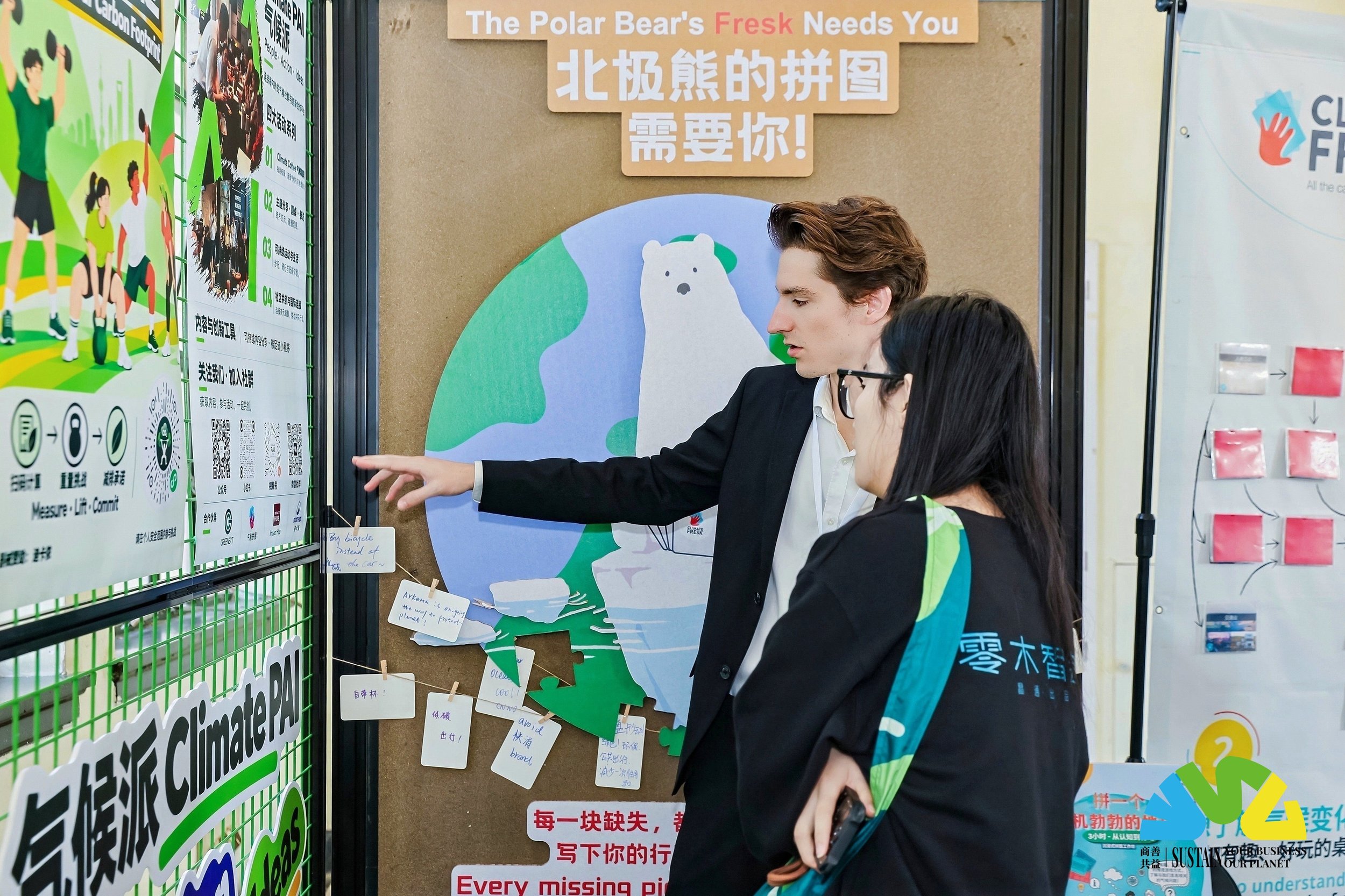
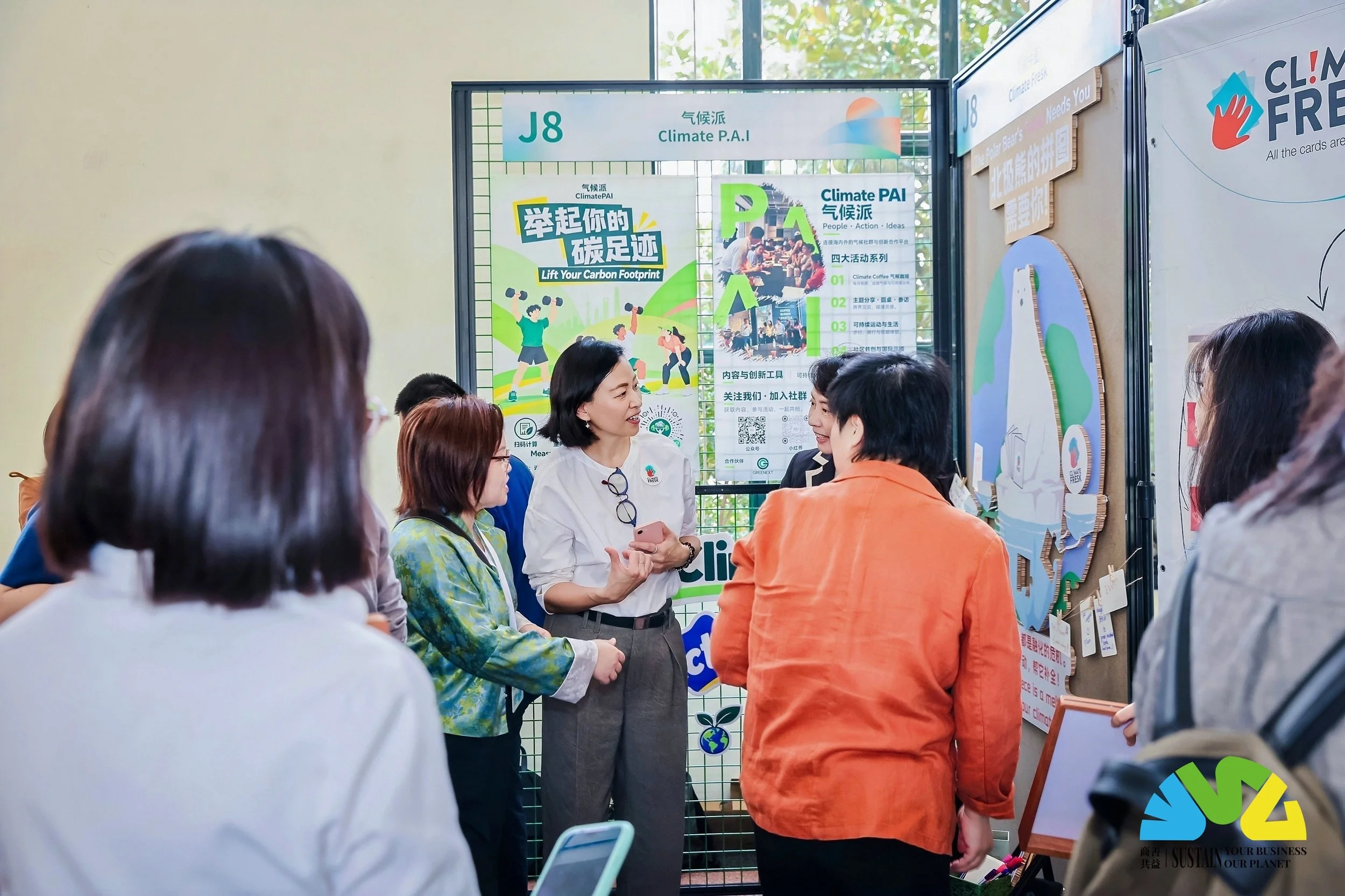
Climate education and nature conservation were also integral to the programme. Climate Fresk used an interactive game format to make climate science more accessible, while Climate PAI combined carbon-footprint measurement with physical challenges. Yuskin promoted informed consumption through hand-moisture assessments, and Hope Nature introduced biodiversity education and collaborative craft activities. Paris 2050 Workshop and Planet B Academy explored ESG, low-carbon living, food systems, soil, water and the ocean through educational puzzles and hands-on experiences.
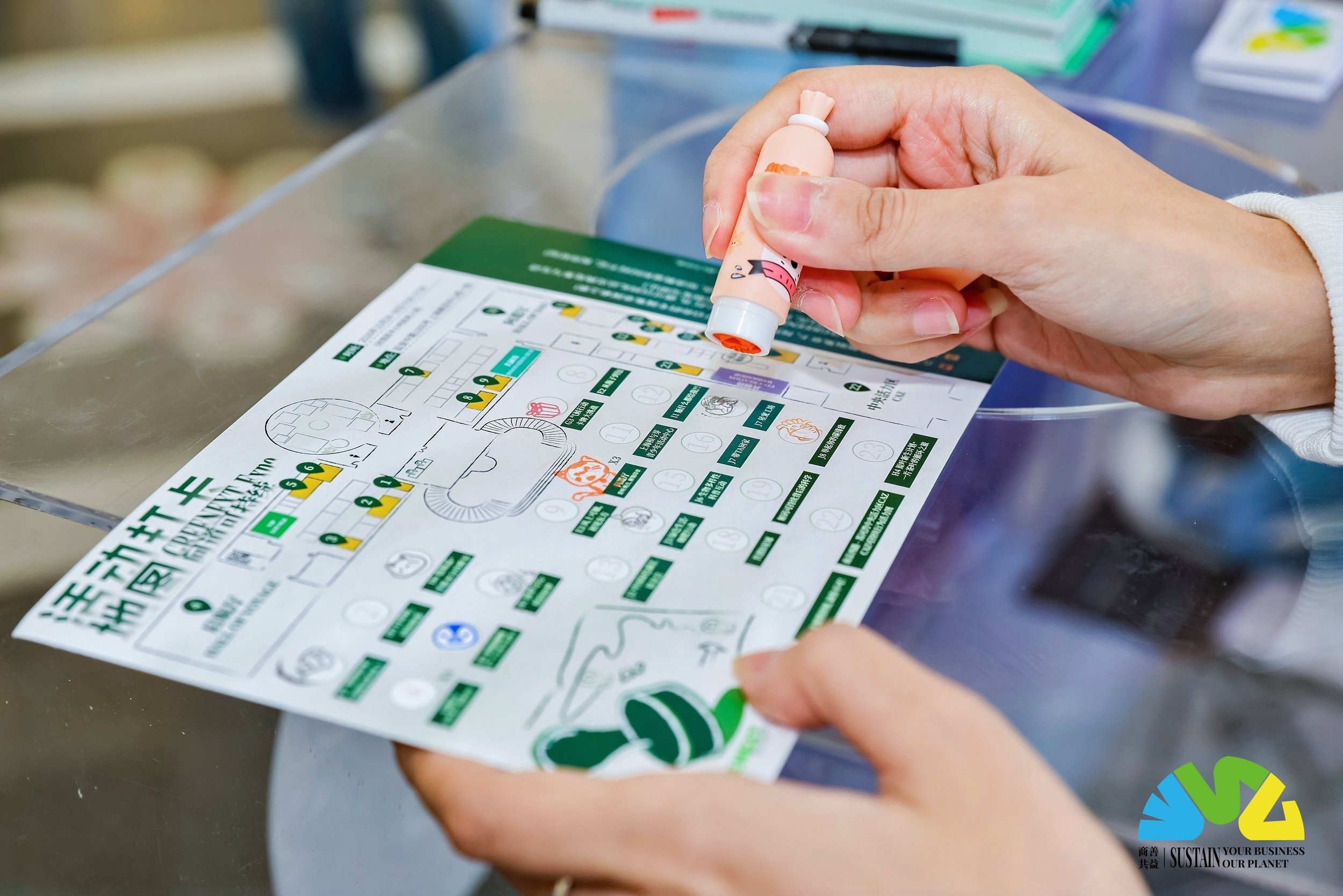
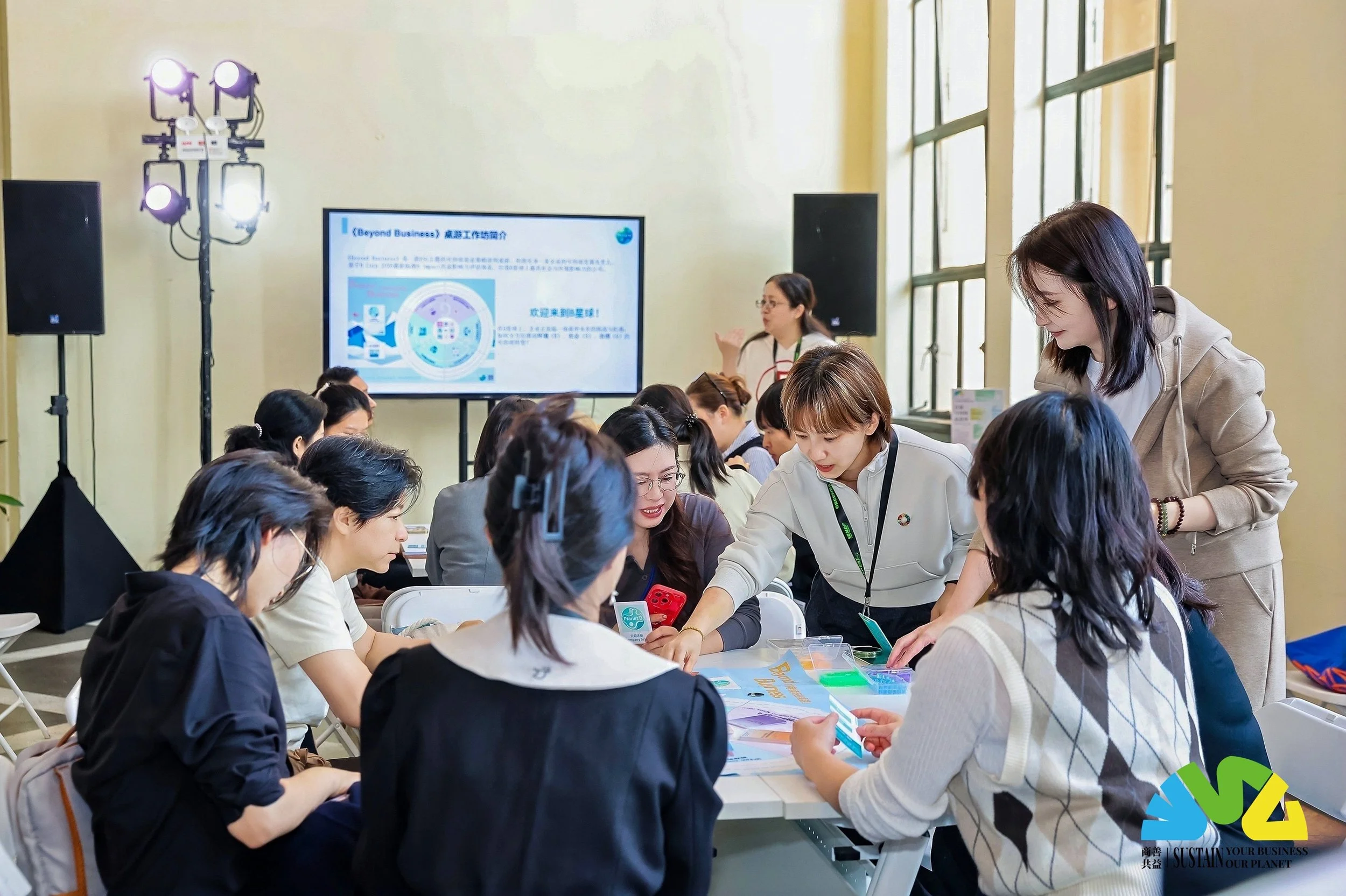
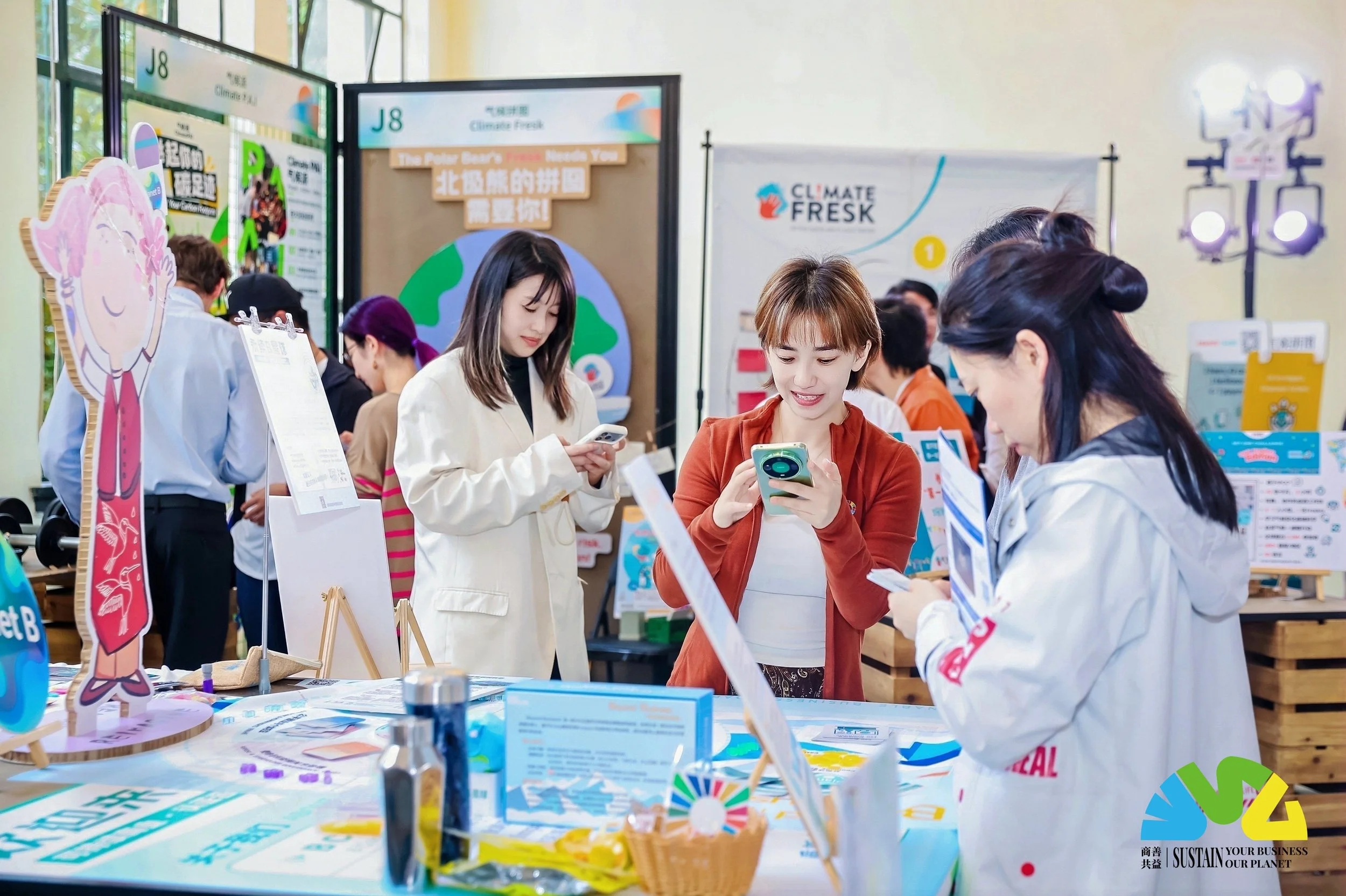
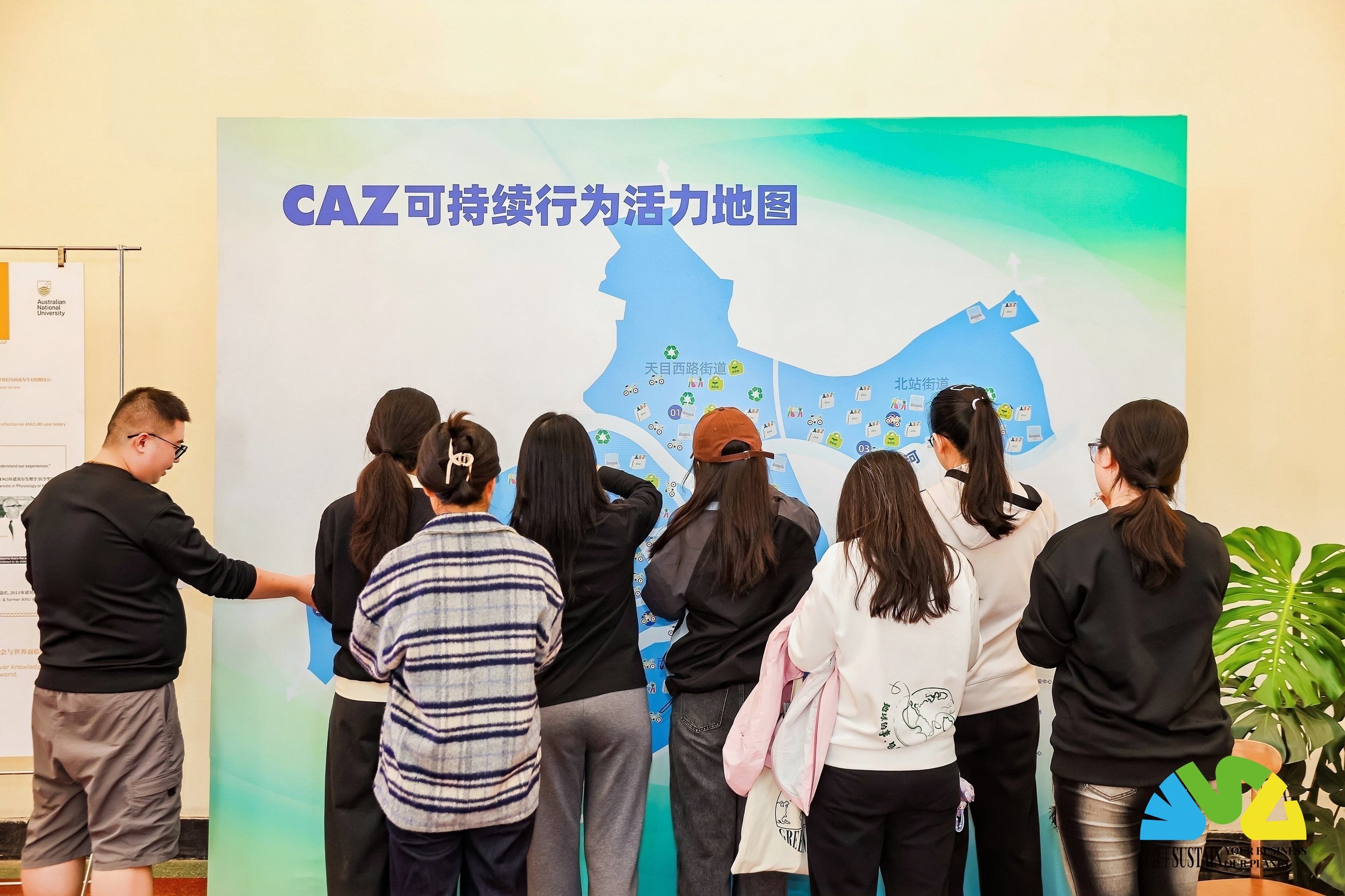
Public-interest initiatives further expanded opportunities for participation. Green Meet-Up brought together public-interest organizations and ecological partners through interactive stations, knowledge quizzes, and badge exchanges. The CAZ Sustainable Vitality Map invited visitors to mark their own green lifestyle choices and collectively map sustainability actions across the city. The Take Them Home initiative, jointly presented by GREENEXT Expo, Pet Fair Asia, and CP Jing’an, used storytelling to promote harmonious relationships between people and animals. NOVA CRAFT introduced visitors to initiatives supporting assisted employment and social inclusion for young people with intellectual disabilities.
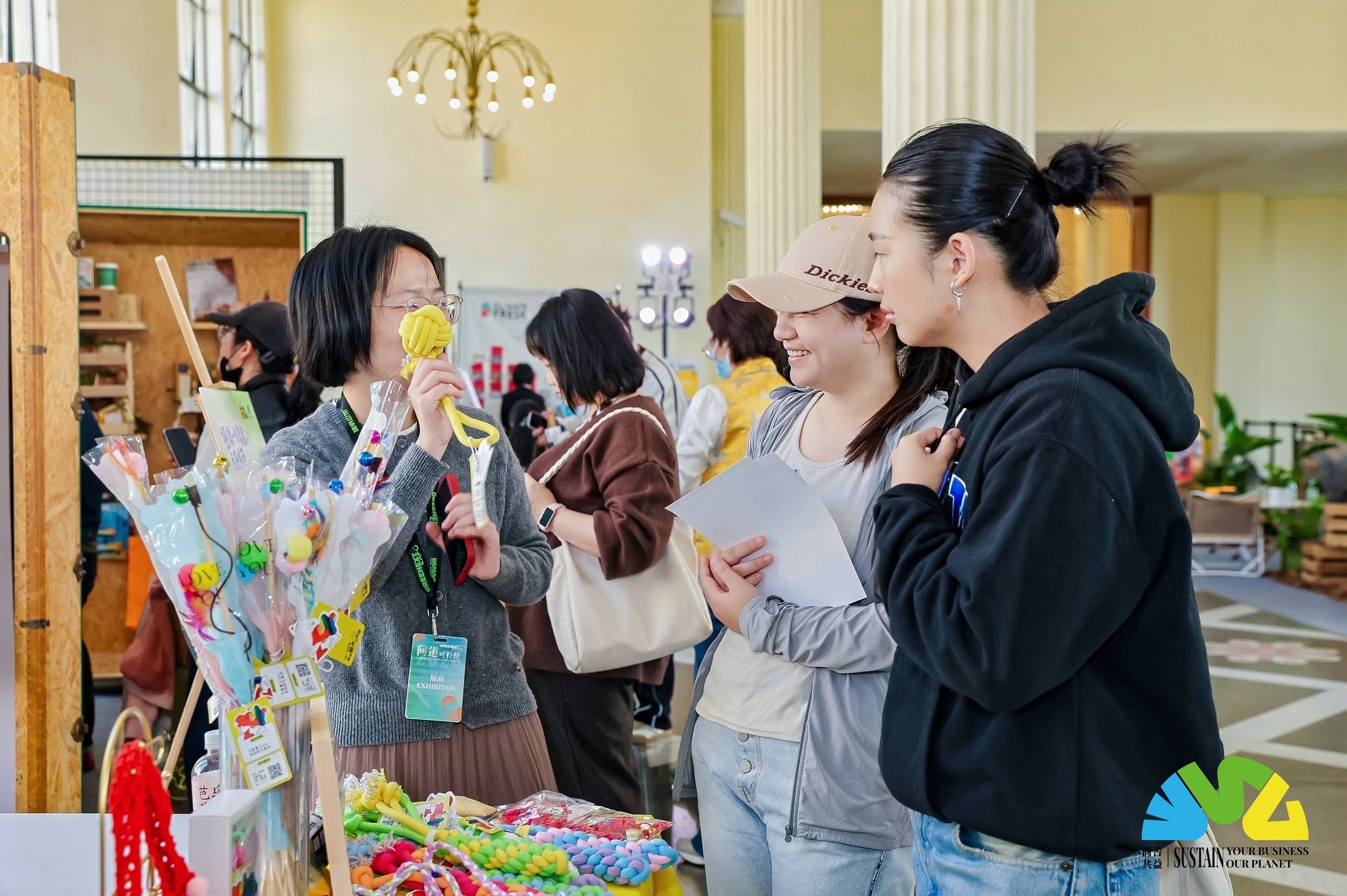
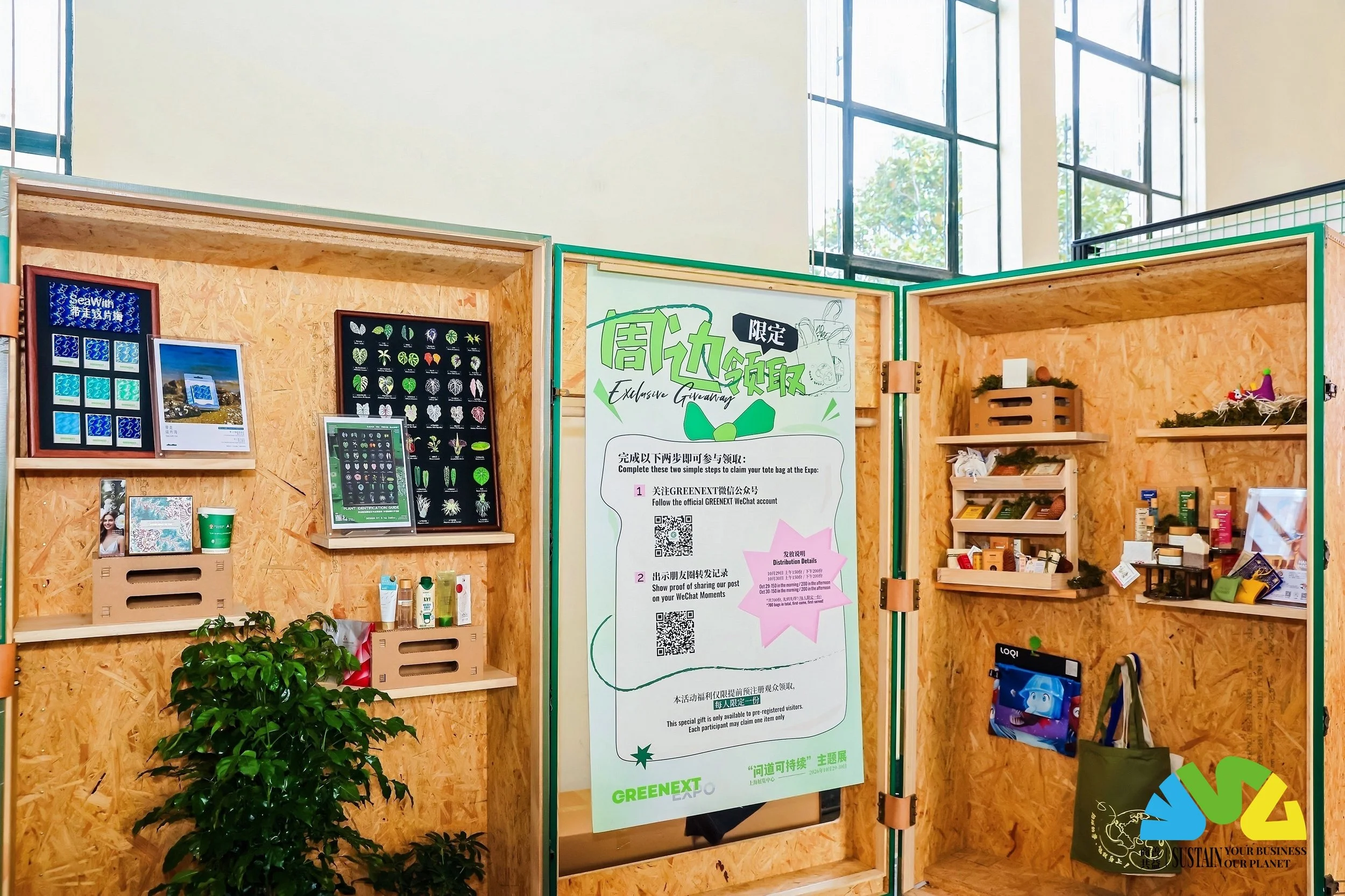
A broad network of partners, including S hé Zakka, Sea with me, theEarthLab, PROYA, AENTOS, LOQI, nobusymount, Yuskin, YAN61 Eco-friendly Gifting, Fragonard, CHING LAB, OATLY, EARTHWater, Chagee, Asia Symbol and YAMA Ribbon, contributed gifts and experiences that introduced visitors to different aspects of sustainable living. Together, these activities connected businesses, social organizations and the public, demonstrating that sustainability is not simply a concept to communicate, but a set of practical actions that people can understand, experience and incorporate into urban life.
A Collaborative Ecosystem for a More Sustainable Future
As an integral part of Shanghai International ESG Week, GREENEXT Expo 2026 extended industry co-creation and public engagement into Jing’an’s urban spaces through markets, workshops, family activities and circular-economy initiatives, helping integrate sustainability into everyday city life.
The exhibition was made possible through the collective efforts of partners across industry, international cooperation, media, public-interest initiatives and the arts. Strategic partners included RETHINK FASHION, the Yangtze River Delta ESG and Zero Carbon Institute, and Green Fashion Society. Project partners included LEED, alongside organizations and initiatives working across international exchange, industrial innovation and social collaboration. Together, these partners supported professional dialogue, international cooperation, and the development of practical sustainability solutions.
Media partnerships further broadened the reach of the exhibition and its associated ideas. Observer served as a strategic media partner, GOGO Media as a dedicated sustainable-lifestyle media partner, ELLE China and ELLE DECORATION as strategic fashion and lifestyle media partners, and GREEN SPOTLIGHT as a special supporting media partner for ESG. Their contributions helped communicate sustainability through the perspectives of lifestyle, fashion, interior design, and ESG practice.
Public-interest organizations and the arts brought additional social and cultural dimensions to the event. Tian Art Foundation, the China Social Welfare Foundation, and the Hong Kong Civic Association supported related initiatives. Flora Zeta Cheong-Leen, GREENEXT's Sustainable Fashion Charity Ambassador, curator Zheng Yang, and artists including Li Haitao, Marine Calamai, VivanChan, Meng Xinyue, Qiao Jingwen, and Gao Zhuoyu contributed through public-interest initiatives, artistic expression, and sustainability communication, further connecting sustainability with social value, culture, and everyday life.
Business sustainability requires more than technological innovation and improved management. It also depends on value-chain collaboration, innovative business models, and the participation of stakeholders across society. GREENEXT Expo will continue to serve as a cross-industry platform connecting businesses, technology providers, professional organizations, young innovators, and social-impact leaders, helping move sustainable solutions from showcase to implementation and from collaboration to action.
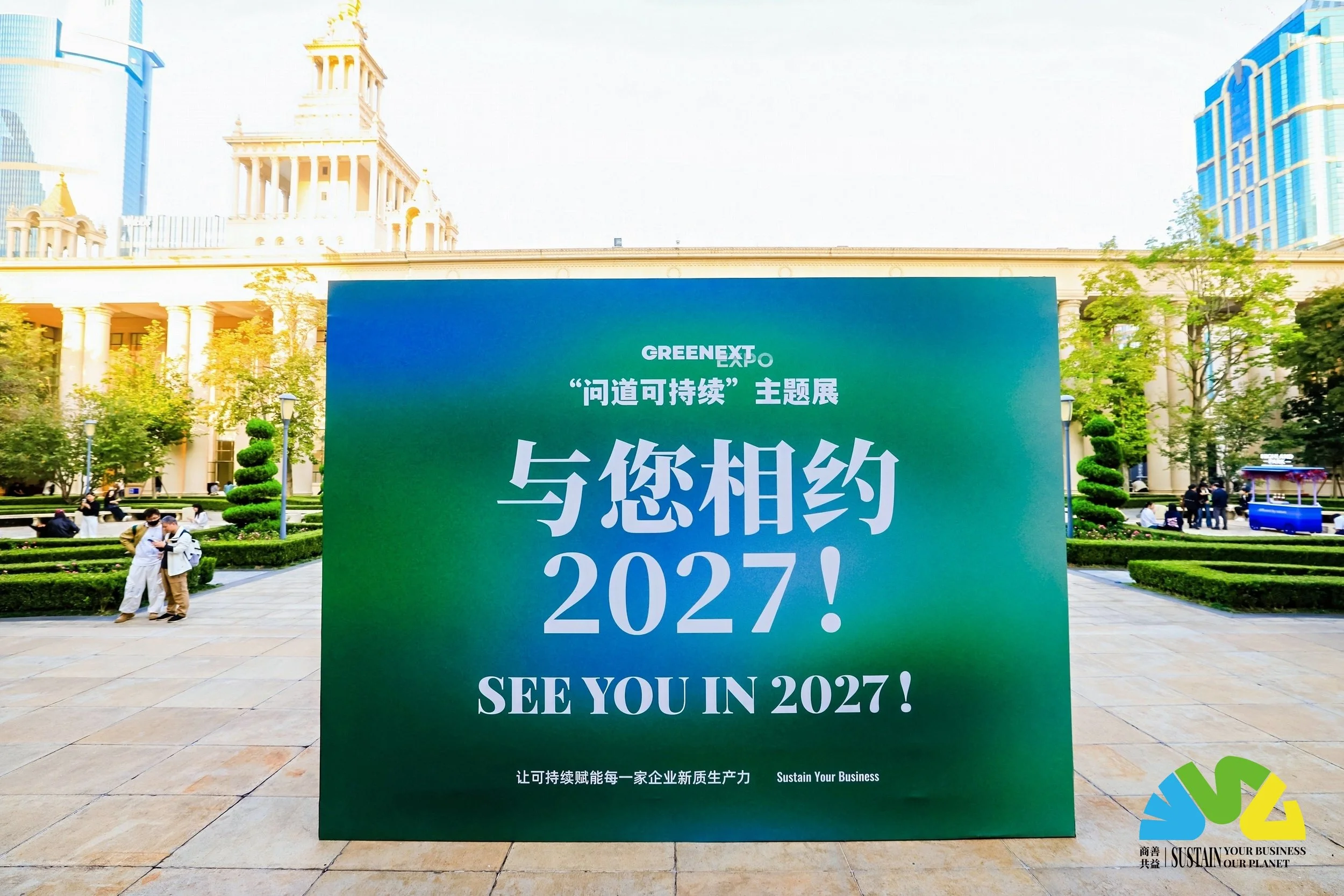
Looking ahead to 2027, GREENEXT Expo will continue working with partners to respond to global sustainability trends and the evolving needs of Chinese businesses. By exploring new opportunities in green technology, the circular economy, Nature Positive solutions, and social innovation, the platform aims to further integrate sustainability into industrial development and urban life.
Sustain Every Business. Together, let us create a more sustainable future. We look forward to welcoming our partners and the wider sustainability community back in 2027.